Dr. Hill
Rosemary's BabyDr. Hill is the obstetrician who first confirms Rosemary Woodhouse’s pregnancy and later becomes the doctor she seeks when she suspects that her husband and the physician who replaced him are deceiving her. Initially an attentive, reassuring figure, he represents a plausible source of independent medical care. When Rosemary returns in crisis, he listens and offers to try to arrange a hospital admission, but the narrative leaves his ability to intervene uncertain.
Identity and First Consultation
Rosemary makes an appointment with Dr. Hill on the recommendation of her friend Elise Dunstan, who had used him during two pregnancies. His office is on West Seventy-second Street. When Rosemary meets him on October 28, he is younger than she expected, around Guy Woodhouse’s age or younger, and reminds her of Dr. Kildare on television. She likes him: he asks questions slowly and with interest, examines her, and sends her to a laboratory on Sixtieth Street for a blood test.
The contrast between that attentive manner and the more controlling medical care Rosemary later describes is important to his role. At this first visit, she is not yet asking him to help her escape a plot. He is simply the doctor recommended by someone she trusts, and the consultation proceeds through familiar steps: questions, examination, and laboratory testing.
Diagnosis and Uncertainty
The next afternoon, Dr. Hill calls to tell Rosemary that she is pregnant. He calculates a June 28 due date from her last period, September 21, and asks her to provide another blood sample because the laboratory nurse had not taken enough. He also says he will mail forms and schedules a follow-up appointment for November 29 at one o’clock.
The request for a second sample unsettles Rosemary. She wonders whether the blood could have been mislabeled or whether a mistake has been made, and she is unsure whether Dr. Hill’s casual explanation is fully reassuring. She nevertheless concludes that she must be pregnant because her period is so overdue. She records both the laboratory visit and the November appointment on her kitchen calendar, then tells Guy the news; he responds with pleasure. Dr. Hill’s diagnosis thus begins a pregnancy that Rosemary had wanted, although she had previously contemplated becoming pregnant without Guy’s knowledge because he kept postponing having children.
A Return for Help
Later, after Rosemary has suffered months of pain and received unusual drinks and capsules from Dr. Abraham Sapirstein, her friends Elise and Tiger urge her to seek another opinion. Elise tells her that pain of that kind is a warning and specifically recommends going to Dr. Hill. Rosemary defends Sapirstein as well known, but the exchange makes Hill the alternative she has not yet tried.
When she finally calls, she is in a glass-walled phone booth on Park Avenue and describes the situation as an emergency. She tells Dr. Hill that she changed doctors on friends’ advice, that Sapirstein has been lying to her and giving her unusual preparations, and that the baby is due the following Tuesday. She asks Hill to deliver the baby and offers to pay as though she had remained his patient. Anticipating that he may refuse, she presses to meet and explain, insisting that she is not imagining the conspiracy involving her husband, her doctor, and the people who sent her to him.
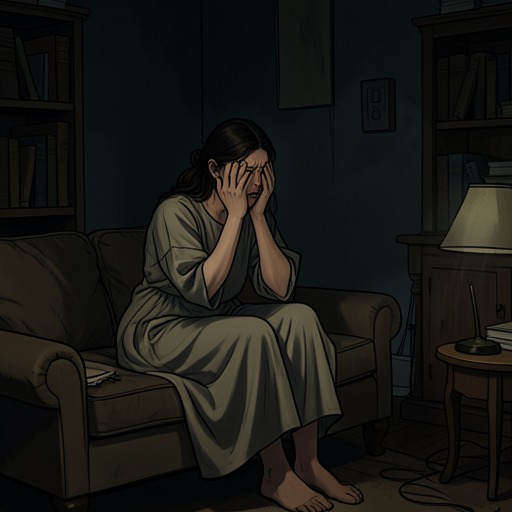
Dr. Hill’s initial reluctance on the telephone does not end the appeal. That evening, Rosemary reaches his West Seventy-second Street office. He opens the door himself, and she tells him the story in person. She tries to remain calm and orderly because she fears that any appearance of hysteria will make him dismiss her as mentally unwell. Her account ranges from Adrian Marcato and Minnie and Roman Castevet to Edward Hutchins, the book All Of Them Witches, black candles, Donald Baumgart’s necktie, and the drinks and little white cakes she associates with her pregnancy. She admits that some events might have been coincidences, but emphasizes her belief that the group wants the baby.
Hill listens, writes notes, and says that he has met Roman Castevet once or twice. He acknowledges how difficult it is to judge someone by appearances and asks whether Rosemary would like to go to Mount Sinai Hospital that evening. He cautions that arranging it will require effort and argument, then prepares to examine her and tells her to rest. His response is more substantial than simple reassurance: he takes her account seriously enough to discuss a hospital, though the evidence does not show that he succeeds in arranging her admission or delivering the baby.
Limits of His Protection
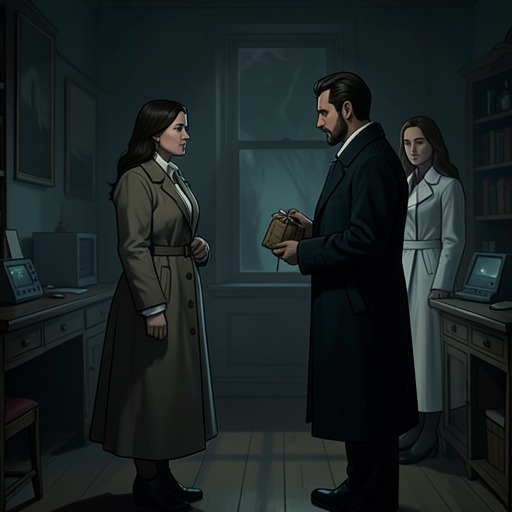
The prospect of help through Dr. Hill remains fragile. The narrative briefly presents a projected later scene in which Rosemary imagines herself living with Brian and Dodie in Los Angeles, with Andrew beginning to talk, while she is again in Hill’s examining room. In that scene, Dr. Abraham Sapirstein and Guy enter after Hill opens the door. The passage turns the imagined refuge into a renewed encounter with the men Rosemary fears; it does not establish a successful later consultation or a rescue by Hill.
Hill’s significance therefore lies partly in the boundary between sound medical attention and the power Rosemary needs. He is associated with a careful first examination and, when she returns, with listening and the possibility of hospital care. But her attempt to seek help does not, in the available events, secure control over where or how she gives birth. The story places his offer against the coercive authority exercised by Guy and Sapirstein, whose assurances and medical status help them override Rosemary’s wishes. Hill remains a credible alternative in her mind, but not a demonstrated safeguard against that authority.