
Nature and Progress
SanctuaryThe novel repeatedly sets organic landscapes and mechanized modernity against one another, showing both as beautiful and destructive.
increasing Bearing strength in each event
 decreasing
Bearing strength in each eventdecreasingThe Delta Flatness
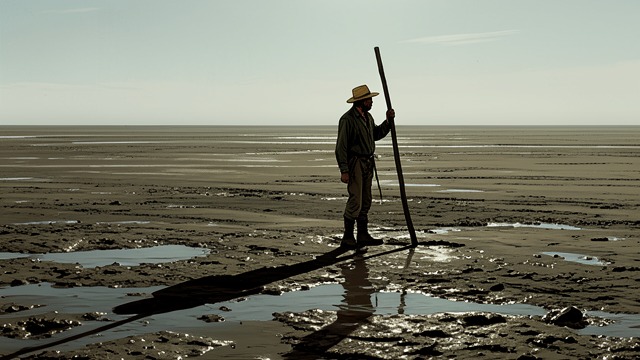
The Delta Flatness
Landscape
Horace Benbow imagines the Delta as rich, flat, foul, and financially saturated.
Philosophy
He links the absence of hills to a world where money replaces moral elevation.
Desire
His search for a hill becomes a search for distance from the machinery of modern life.
The Automobile Roads
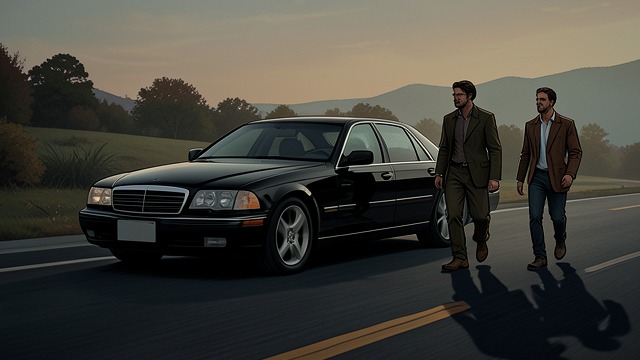
The Automobile Roads
Speed
Cars pass invisibly along the highroad while Popeye and Horace Benbow move on foot.
Displacement
The modern road exists beside the jungle but does not make the landscape safer.
Reversal
Automobile power later becomes the means by which Temple Drake is carried deeper into danger.
The Felled Tree
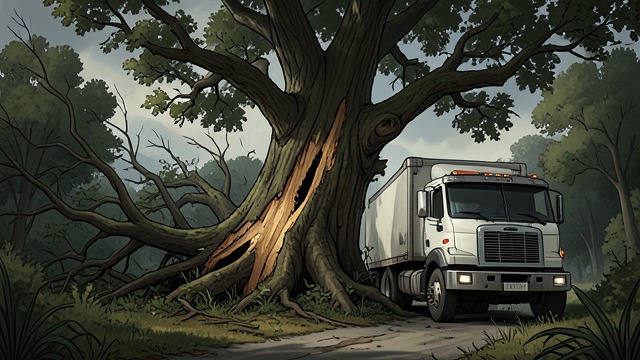
The Felled Tree
Obstruction
A recently cut tree blocks the road near the spring.
Control
Popeye treats the obstruction as a practical device that forces travelers toward his truck.
Recurrence
The same tree later wrecks Gowan Stevens’s car, making landscape itself part of the plot’s machinery.
The Ruined Plantation
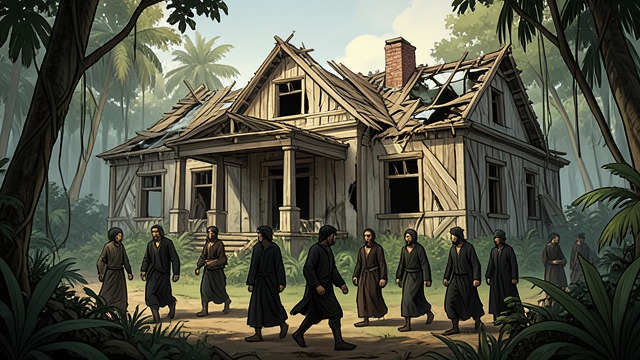
The Ruined Plantation
History
Old Frenchman place survives as a gutted plantation house stripped by firewood seekers and treasure hunters.
Reoccupation
Moonshining and violence fill the ruin left by an older social order.
Continuity
The house’s decay suggests that modern criminality does not replace the past; it inhabits its remains.
The Spring’s Return
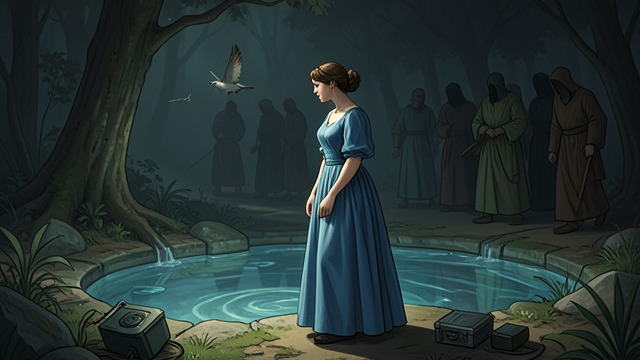
The Spring’s Return
Refuge
Ruby Lamar returns to the spring carrying the sleeping child after leaving the house.
Persistence
The water and bird song continue despite murder, flight, and social collapse.
Ambiguity
Nature offers neither justice nor healing, only an indifferent rhythm outside human violence.
May 12 afternoon
May 12 afternoon
May 12 afternoon
May 12 evening
After Popeye’s departure
