
The Journey from Law to Fire
SanctuaryHorace Benbow’s movement through courts, jails, hotels, and streets shows how legal order gives way to collective violence.
increasing Bearing strength in each event
 decreasing
Bearing strength in each eventdecreasingThe Jail Cell
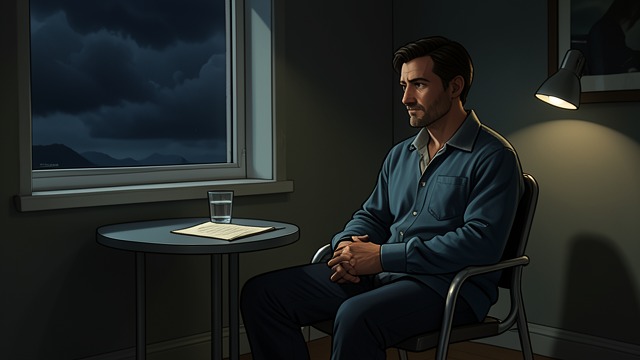
The Jail Cell
Confinement
Lee Goodwin waits in Jefferson jail while the town constructs its version of the crime.
Fear
He believes Popeye could kill him before testimony reaches the courtroom.
Legal Irony
The jail protects him from one danger while making him available to another.
The Hotel Expulsion
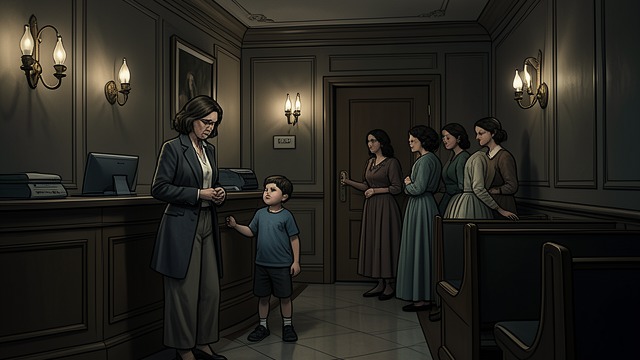
The Hotel Expulsion
Shelter
Ruby Lamar and the child stay in a hotel arranged through Horace Benbow.
Committee Pressure
Church women force the proprietor to remove them.
Public Consequence
The respectable town reproduces the same exclusion that the criminal house imposed through force.
The Courthouse Trial
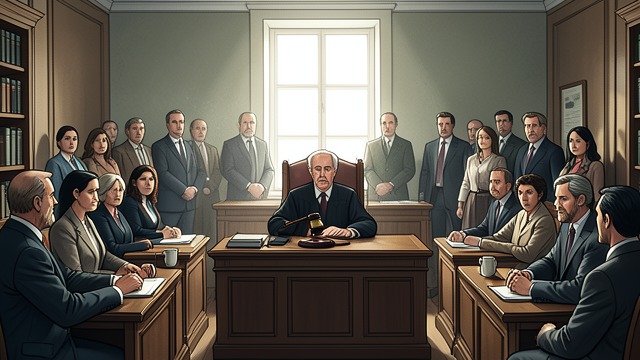
The Courthouse Trial
Procedure
The court processes witnesses, objects, medical testimony, and physical evidence.
Spectacle
The formal setting cannot prevent the prosecution from exploiting fear and sexual stigma.
Unstable Justice
The law appears orderly while being driven by the same social appetites that produced the crime.
The Burning Mob
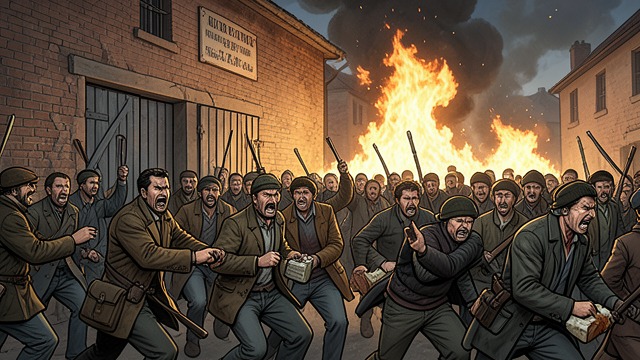
The Burning Mob
Defeat
The jury’s acquittal frustrates those who wanted a clear moral punishment.
Violence
The mob attacks the jail with gasoline and fire.
Reversal
The attempted execution reveals that the community’s moral certainty is itself criminal.
The Return by Train
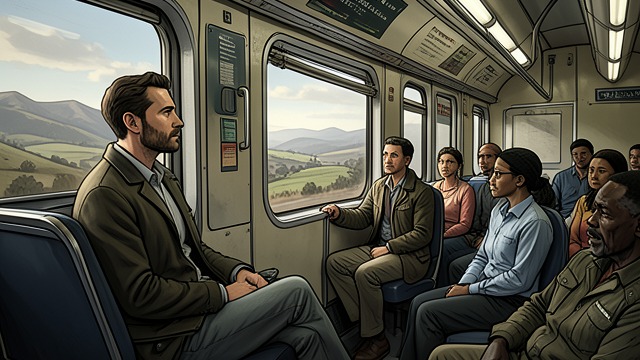
The Return by Train
Departure
Horace Benbow leaves Jefferson after witnessing the collapse of legal and civic order.
Transit
Train compartments carry him through segregated, commercial, and socially fragmented spaces.
Homecoming
His return to Belle Benbow does not restore innocence; it carries the fire’s knowledge into domestic life.
After May 13
Mid June
June 20
June 20 night
After the fire
