
The Prohibition Contradiction
SanctuaryProhibition creates the criminal economy that links isolated households, respectable customers, political opportunists, and public hypocrisy.
increasing Bearing strength in each event
 decreasing
Bearing strength in each eventdecreasingIllegal Respectability

Illegal Respectability
Demand
Customers travel to Lee Goodwin’s house for liquor while presenting themselves as ordinary citizens.
Complicity
The legal prohibition creates the customers who later condemn the moonshiner.
Contradiction
Crime becomes a shared social service rather than an isolated deviation.
The Criminal Middleman

The Criminal Middleman
Control
Popeye manages transport and distribution for a larger Memphis operation.
Scale
His presence shows that local moonshining is connected to urban profit.
Threat
The business brings organized violence into a household that once survived through informal trade.
The Customers’ Hypocrisy
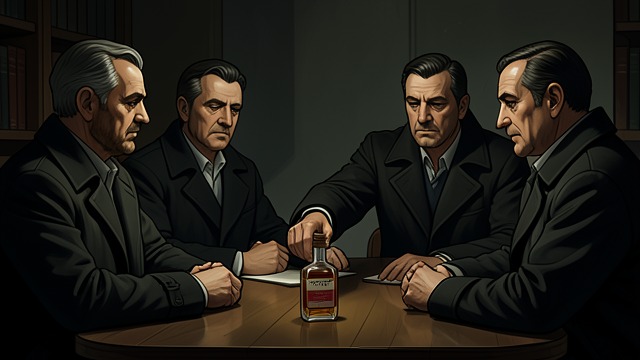
The Customers’ Hypocrisy
Consumption
The same men who drink Lee Goodwin’s liquor gossip about his alleged immorality.
Abandonment
They disappear or turn against him once the sheriff finds the still.
Moral Transfer
Their own participation is transferred onto the accused producer.
The Prosecutor’s Campaign

The Prosecutor’s Campaign
Political Ambition
Eustace Graham uses the case to build a record for higher office.
Moral Language
He condemns alcohol and sexual disorder while relying on the public’s appetite for both.
Institutional Profit
Prohibition becomes a source of careers, votes, and social control.
The Failed Reform
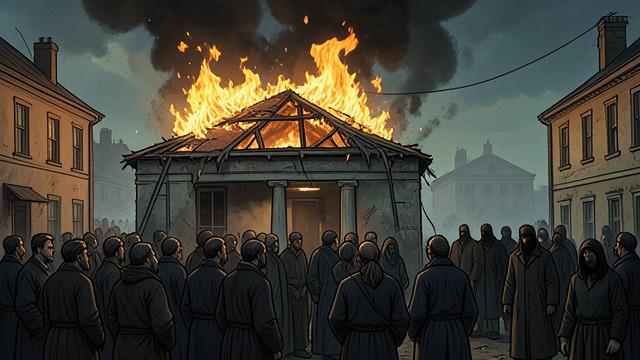
The Failed Reform
Verdict
Lee Goodwin’s acquittal does not end the liquor economy or the town’s moral anger.
Mob
The attempted burning replaces legal reform with punishment.
Persistence
The system survives because its beneficiaries remain hidden behind respectability.
Before May 12
May 12 evening
After May 13
June 20
After June 20
