
The Novel’s Circular Structure
SanctuaryRecurring springs, roads, rooms, songs, and gestures make the narrative feel circular even as each character is permanently altered.
increasing Bearing strength in each event
 decreasing
Bearing strength in each eventdecreasingThe First Spring

The First Spring
Reflection
Horace Benbow sees Popeye’s hat reflected in the water before hearing him.
Uncertainty
The spring turns perception into a fractured surface.
Beginning
The scene establishes the novel’s pattern of ordinary landscapes concealing violence.
The Repeated Road

The Repeated Road
Passage
Horace Benbow, Temple Drake, and Ruby Lamar all travel the roads around Old Frenchman place.
Difference
The same paths mean escape to one character, coercion to another, and exhausted return to a third.
Pattern
Movement repeats without producing freedom.
The Repeated Child
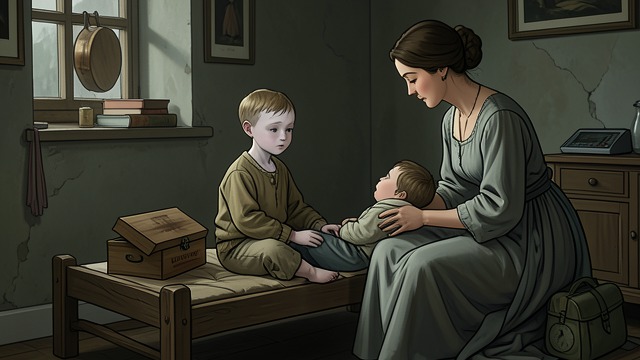
The Repeated Child
Image
The child appears in a box, on a cot, in a cell, and on Ruby Lamar’s lap.
Continuity
His frailty links rural poverty, legal danger, and social exclusion.
Future
The child’s survival keeps the story from ending with punishment alone.
The Repeated Song
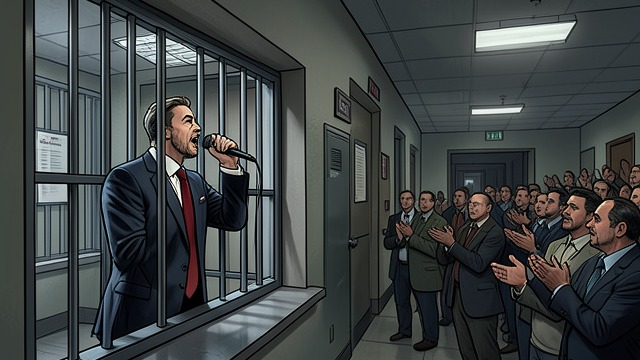
The Repeated Song
Spiritual
The jailed singer’s voice recurs beside the courthouse and jail.
Counterpoint
Songs of heaven and exhaustion contrast with drinking music and funeral jazz.
Closure
When the song disappears into mob noise, the novel’s ethical counterpoint is drowned.
The Returning Spring

The Returning Spring
Return
Ruby Lamar sits beside the spring with the child after Popeye takes Temple Drake away.
Repetition
The setting recalls Horace Benbow’s first encounter with Popeye.
Change
The water is unchanged, but the people who reach it now carry irreversible knowledge.
May 12 afternoon
May 12 to May 13
May 12 to June 20
After May 13
After Popeye’s departure
