
The Cameo and the State of the World
SatanThis flow tracks how the novel enlarges a family’s disputed jewel into a meditation on evil, historical violence, and modern political power.
increasing Bearing strength in each event
 decreasing
Bearing strength in each eventdecreasingA Local Omen
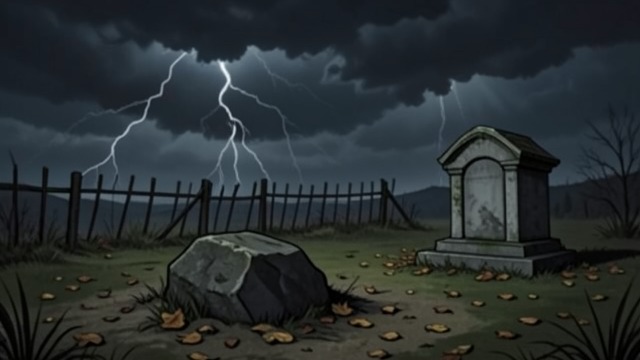
A Local Omen
A stone acquires meaning
The cameo emerges from Élie D’Anjou’s grave amid an uncanny storm and a damaged cemetery. Grébiche names it as a source of future misfortune, giving the object a place in village folklore.
Family history becomes cosmology
The D’Anjous interpret later losses through this warning. The novel does not immediately settle whether the stone causes events or whether people use it to organize their fear of death and chance.
A Child Feels the Invisible

A Child Feels the Invisible
Fear before knowledge
Loïc senses a threatening presence in the Founder’s House before he knows about the cameo. Night, family grief, and religious imagery shape his early conviction that visible life has an unseen underside.
The supernatural remains ambiguous
His later account of leaving his body as a child may be dream, illness, or an extrasensory experience. Its significance lies in how it gives Loïc a lifelong language for experiences ordinary explanation cannot contain.
A Stone as Historical Archive
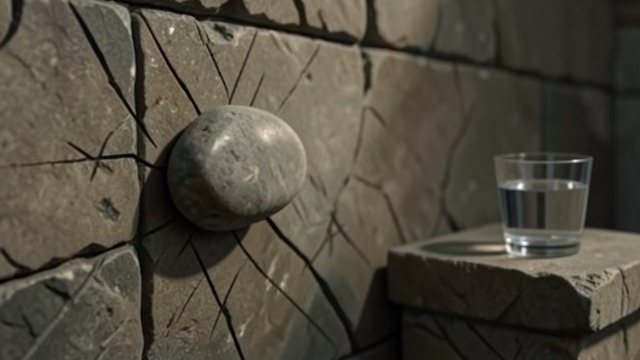
A Stone as Historical Archive
Violence accumulates in matter
The cameo crosses graves, fires, raids, wars, and the World Trade Center collapse. Loïc imagines that objects may retain traces of the events and emotions they have witnessed.
A theory without proof
The idea of vibratory memory helps Loïc link distant histories, but it also tempts him to confuse meaningful pattern with causation. The jewel’s history therefore becomes both an investigative clue and a test of his own interpretive limits.
Institutions and Hidden Power
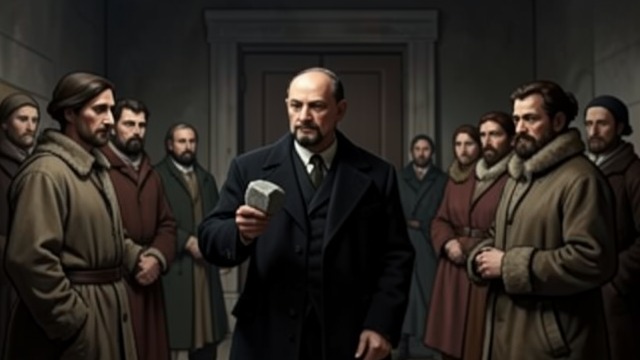
Institutions and Hidden Power
Influence operates in networks
The cameo’s pursuit passes through wealthy collectors, intelligence agencies, political contacts, and secretive groups. The novel connects private greed to institutions that claim public authority while acting beyond ordinary scrutiny.
Suspicion exceeds evidence
Loïc sees a broad spiritual and political pattern in these networks, while the story also shows self-interested people exploiting secrecy. The tension between documented conduct and sweeping conspiracy claims remains deliberately prominent.
A Crisis of the West
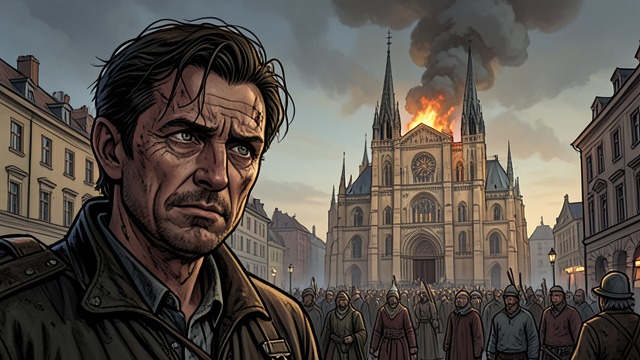
A Crisis of the West
Disaster becomes a symbol
Loïc reads the attacks of September 11 and the Notre-Dame fire as signs of a wider civilizational decline. Political violence, war, and the destruction of sacred buildings appear to him as connected symptoms.
Interpretation meets doubt
His apocalyptic vision gives personal grief a historical scale, but it risks turning every catastrophe into evidence for one explanation. The novel makes that tension part of its inquiry into evil, faith, and the desire for coherence.
November 1944
Winter 1949 to 1950
2001 to 2003
2003 to 2019
2001 to 2019
