
The Price Sisters’ Hunger Strike
Say NothingThis flow traces the sisters’ demand for political-prisoner recognition, the coercive medical response, and the personal consequences of surviving.
increasing Bearing strength in each event
 decreasing
Bearing strength in each eventdecreasingA Demand from Brixton
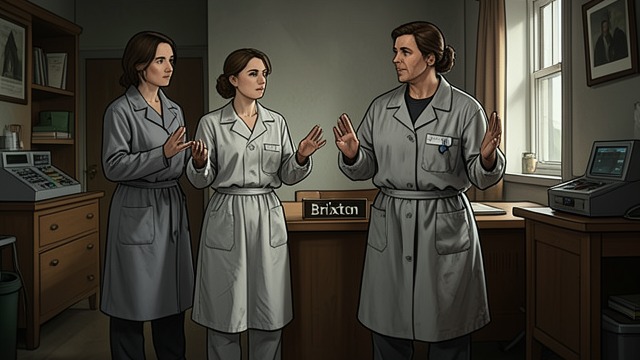
Refusing Food
Prisoner status contested
Dolours and Marian Price reject the idea that they are ordinary criminals and demand transfer to Northern Ireland. They are joined by Hugh Feeney and Gerry Kelly.
A deliberate test
The hunger strike invokes an Irish republican tradition of bodily sacrifice. The sisters understand that their weakening bodies create political pressure but also threaten their lives.
Force-Feeding Begins
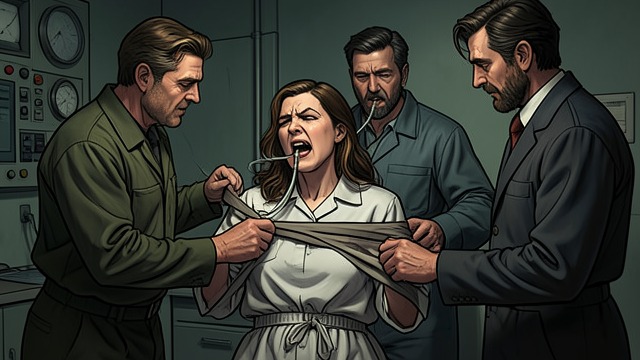
Coercion in the Cell
Medical restraint
Prison staff restrain Dolours and push a tube through a wooden mouthpiece to force food into her. Marian undergoes the same procedure days later.
Resistance and degradation
The process brings pain, vomiting, and fear of choking. The state keeps the sisters alive while creating a public controversy over the treatment of hunger strikers.
A Public-Relations Crisis

Martyrdom Looms
A growing audience
News coverage turns the sisters into symbols of resistance, often emphasizing their youth and gender. Supporters see the possibility of republican martyrs in the prison associated with Terence MacSwiney.
A government dilemma
Roy Jenkins fears the consequences if either sister dies. Yet conceding their demand may encourage further hunger strikes, leaving the government trapped between political surrender and increasingly brutal feeding.
The Feeding Stops
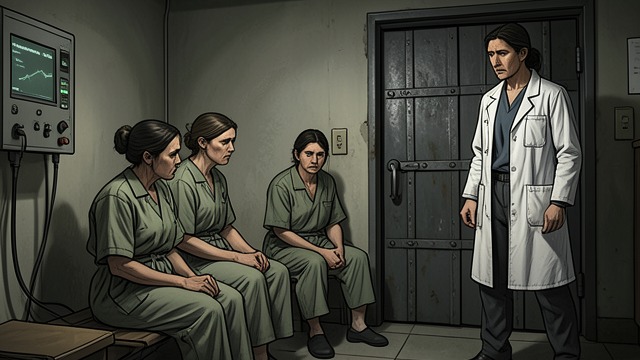
A Dangerous Stalemate Ends
Maximum resistance
The sisters fight so fiercely against force-feeding that doctors conclude the procedure has become too dangerous to continue. The decision is medical, but it transforms the political contest.
Their bodies deteriorate
Without feeding, both women lose weight rapidly and move toward death. Their physical decline increases pressure on the government to act.
Return to Armagh

A Conditional Victory
The strike ends
The strikers end their 206-day protest after being assured of transfer. The sisters eventually return to Northern Ireland and receive Special Category Status.
The damage remains
Their success confirms the political power of the strike but leaves lasting eating disorders and trauma. Dolours later wonders whether the policy change helped create circumstances in which later hunger strikers died.
November 1973
December 1973
Winter 1973–1974
May 1974
June 1974–March 1975
