
State Collusion and Counterinsurgency
Say NothingThis flow traces the expansion of British intelligence tactics from counter-gang experiments to alleged collusion with loyalist murder operations.
increasing Bearing strength in each event
 decreasing
Bearing strength in each eventdecreasingColonial Lessons
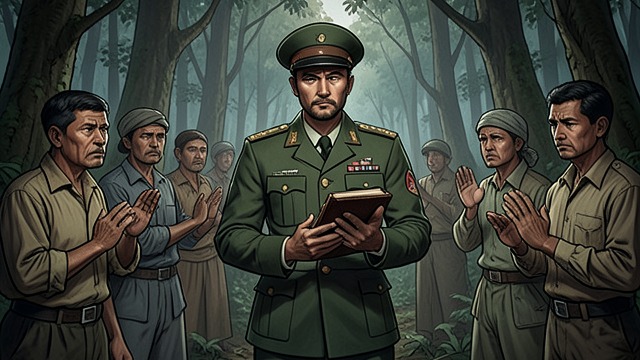
Kitson’s Counterinsurgency Model
Intelligence as a weapon
Frank Kitson develops counter-gang methods while fighting the Mau Mau in Kenya. He emphasizes recruitment, local information, and the manipulation of an insurgency’s social environment.
A doctrine travels
After service in other colonial conflicts, Kitson brings his theories to Northern Ireland. The focus on intelligence promises precision but creates room for deception and unlawful violence.
The MRF in Belfast

Covert Operations
Soldiers in civilian clothes
The Mobile Reconnaissance Force conducts surveillance while posing as ordinary residents and workers. It also carries out attacks intended to confuse responsibility and undermine the IRA’s standing.
Civilian casualties
An operation against an alleged target kills Jean Smyth-Campbell. The strategy’s secrecy protects the state’s public image while leaving victims’ families with false explanations.
Informers and the Freds
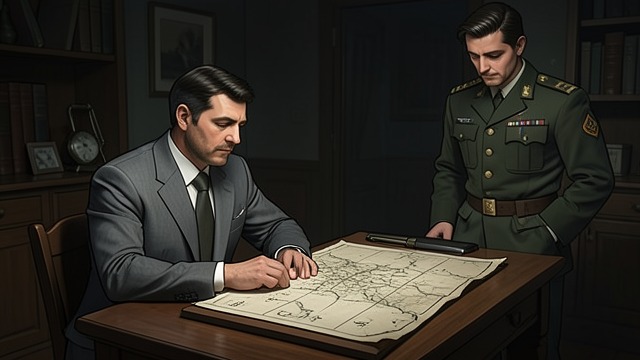
Penetrating the Movement
Agents inside paramilitary groups
British handlers manage people who have been turned while in custody. The Freds help identify people and locations, giving the state access to republican networks.
Intelligence becomes lethal
The Four Square Laundry operation demonstrates how undercover methods move through daily life. The IRA responds with violence, showing that each side treats human sources as both assets and potential traitors.
Stakeknife and the Nutting Squad
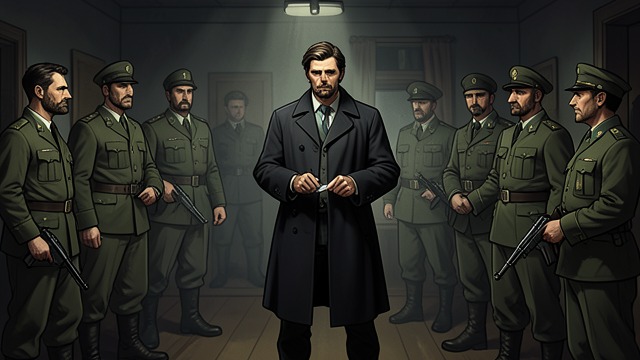
An Internal Unit Is Penetrated
A spy inside the spy hunters
Freddie Scappaticci is exposed as the alleged Stakeknife, a British agent within the IRA’s internal security apparatus. The very body charged with rooting out informers becomes an intelligence source.
Killing in a fog of secrecy
The Nutting Squad interrogates and kills suspected touts, including people later acknowledged not to have informed. Penetration turns suspicion into a self-reinforcing cycle of violence.
Collusion and Accountability
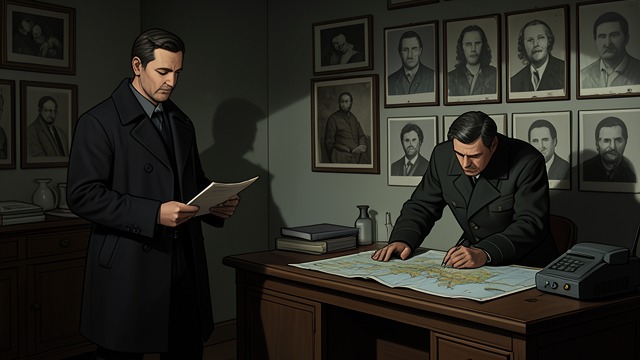
The State’s Compromised Agents
Loyalist operations assisted
Informers such as Brian Nelson provide intelligence that supports loyalist targeting. Investigations connect state agents to murders, including the killing of Patrick Finucane.
Responsibility remains contested
Officials argue that agents may have saved lives, while families demand accountability for those they helped kill. With no comprehensive truth process, investigations remain partial and politically charged.
1950s–1970
1971–1972
1972
Late 1970s–2003
1980s–2018
