
The Conflict’s Escalation
Say NothingThis flow traces how civil-rights protest, state force, community defense, and paramilitary organization transform Northern Ireland’s crisis into a prolonged armed conflict.
increasing Bearing strength in each event
 decreasing
Bearing strength in each eventdecreasingCivil-Rights Demands
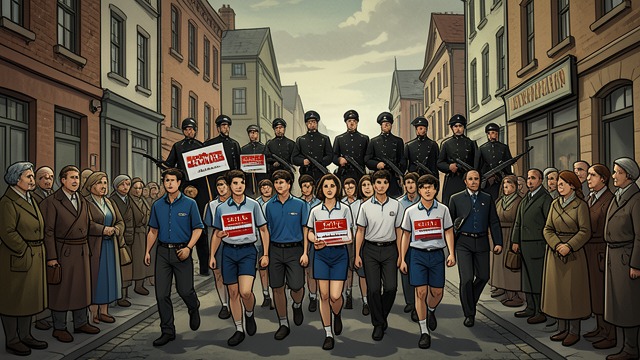
Protest Challenges the State
Discrimination becomes visible
Catholic residents face barriers to housing, employment, and political power. Young marchers draw on the American civil-rights movement to make those conditions public.
A nonviolent test
The Belfast-to-Derry march imagines class solidarity across religious lines. Its route through hostile towns tests whether peaceful protest can change a system built to exclude Catholics.
Burntollet Bridge Attack
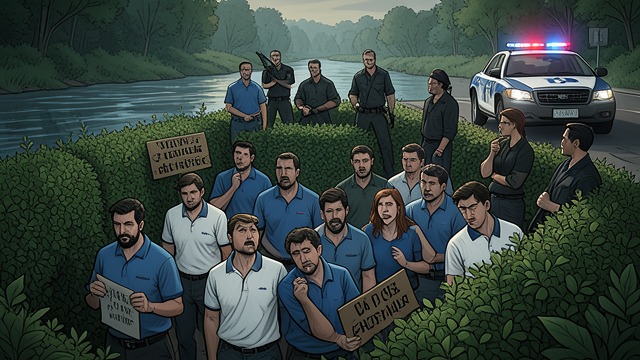
Protesters Are Ambushed
A planned assault
Loyalist attackers strike the march with stones and weapons while many police fail to intervene. Marchers are trapped between hedges and the river.
Legitimacy collapses
The attack convinces some participants that the institutions meant to protect them are aligned against them. Nonviolent faith begins to give way to armed resistance.
Belfast Burns
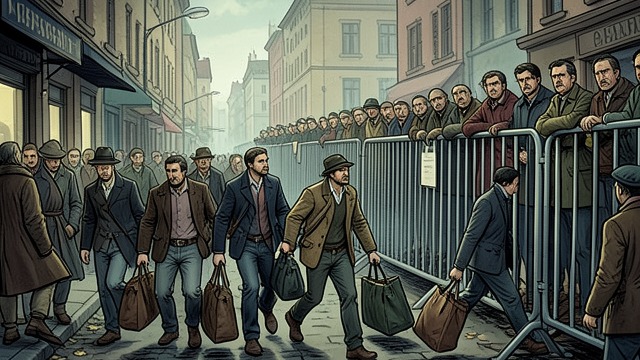
Community Defense
Families flee
Loyalist attacks drive thousands of Catholic families from their homes. The McConville family is among those displaced, moving through shelters and temporary accommodation.
New boundaries harden
Barricades and later peace walls formalize the geography of fear. British troops arrive to restore order but are gradually viewed by many Catholics as an occupying force.
The IRA Splits
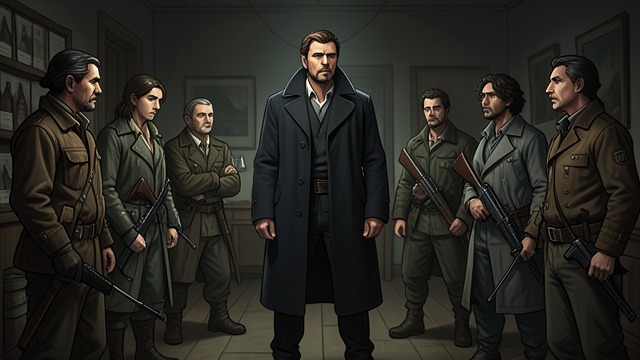
Protection and Reorganization
A perceived failure
The old IRA is widely blamed for not protecting Catholic neighbourhoods during the riots. A hard-line faction removes the Belfast leadership and forms the Provisional IRA.
Armed organization grows
The new movement promises defense and resistance. Its military structure and secrecy strengthen operational capacity but also deepen the divide with the Official IRA and with nonviolent activists.
A War Without a Declaration
Escalation Becomes Routine
Repression and retaliation
Internment targets nationalist areas, while interrogation abuses and armed raids increase resentment. The IRA’s operations and British countermeasures intensify in response to one another.
Civilian life is consumed
Bombs, shootings, and curfews reshape daily life. By 1972, deaths reach their highest level of the conflict, and the prospect of a short campaign becomes increasingly implausible.
1968–January 1969
January 1969
Summer 1969
1969–1970
1971–1972
