
Memory, Denial, and the Past
Say NothingThis flow traces how individuals and political communities narrate violence, contest responsibility, and struggle to turn a shared past into history.
increasing Bearing strength in each event
 decreasing
Bearing strength in each eventdecreasingInherited Memory
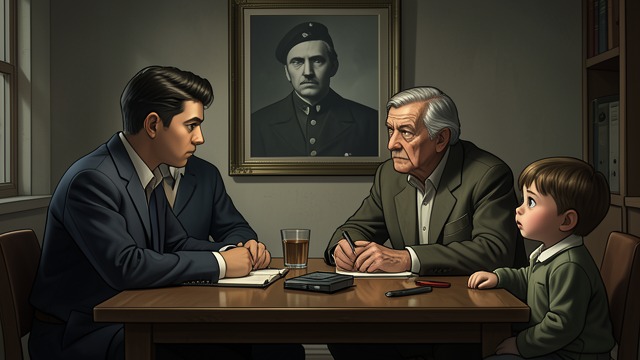
The Past as Present
Stories in the Price home
The Price family treats earlier rebellions as part of living political memory. Tales of prison, sacrifice, and loss make the past feel immediately relevant to the next generation.
Memory selects its heroes
Martyrs become models of courage, while the costs borne by survivors are less often discussed. The family’s narrative helps explain Dolours Price’s early sense of duty.
Silence as Protection
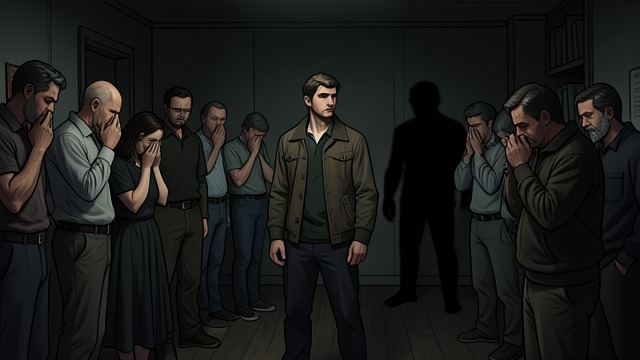
What Cannot Be Said
A dangerous community code
The IRA’s secrecy protects members from arrest but also isolates families from knowledge of operations. Questions about a missing relative can attract threats rather than answers.
Rumour fills the gap
In the McConville case, neighbours circulate stories while the children receive no explanation. Silence becomes both a survival strategy and a means of prolonging harm.
An Archive of Confessions

Memory Recorded for Later
A promise of future access
The Belfast Project invites former combatants to narrate experiences that public history has left obscured. Participants speak because the interviews are supposed to remain sealed until after death.
History becomes dangerous
When Brendan Hughes’s testimony is published, oral history enters contemporary politics. Former militants’ memories threaten established accounts of responsibility and peace.
Conflicting Accounts
Facts and Allegations Collide
Competing stories
Hughes and Price accuse Gerry Adams of directing actions he denies. McConville’s children reject the informer claim, while officials find no evidence that she served as an agent.
A fractured evidentiary record
Different accounts carry different legal and emotional weight. The resulting conflict shows how a community can share events without sharing a settled account of them.
The Past Is the Now
Peace Without Closure
Old identities persist
Peace walls, segregated schools, murals, and unresolved cases keep historical divisions visible. Political leaders argue that the remaining structures of paramilitary authority may also restrain renewed violence.
A question without a final answer
The book asks whether peace could have been achieved without the armed struggle, and whether the people who paid its human cost were used and then abandoned. The past remains a present political force.
1950s–1960s
1970s
2000–2010
2010–2015
2015–2018
