
Martyrdom and the Body
Say NothingThis flow traces the use of bodily sacrifice as political argument, from republican history to prison hunger strikes and their unintended consequences.
increasing Bearing strength in each event
 decreasing
Bearing strength in each eventdecreasingThe Language of Sacrifice

Blood as Political Meaning
Pearse’s ideal
Patrick Pearse frames sacrifice and bloodshed as a means of national renewal. His execution after the Easter Rising gives later republicans a vivid model of martyrdom.
A dangerous inheritance
The idea can dignify courage but also make death seem like proof of political authenticity. Younger activists inherit a tradition in which failure may still be remembered as glory.
MacSwiney’s Hunger Strike
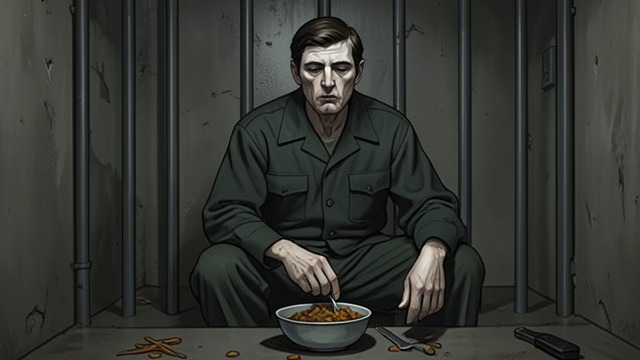
Fasting as Protest
The body becomes a demand
Terence MacSwiney refuses food in Brixton Prison, placing responsibility for his survival on the British government. His death generates international attention and becomes a republican precedent.
Moral force and danger
The hunger strike frames suffering as a form of political power. It can rally supporters while making the striker’s death the central measure of success or failure.
Price Sisters’ Hunger Strike
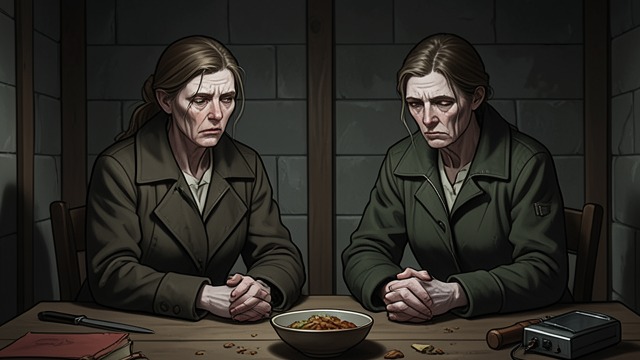
The Ultimate Weapon
Refusal and coercion
Dolours and Marian Price starve to demand transfer and political-prisoner recognition. Force-feeding asserts state control over their bodies but becomes a source of public outrage.
Survival as victory
The sisters survive and return to Northern Ireland. The experience damages their health and later complicates their relationship with food, freedom, and the meaning of sacrifice.
Bobby Sands’s Campaign
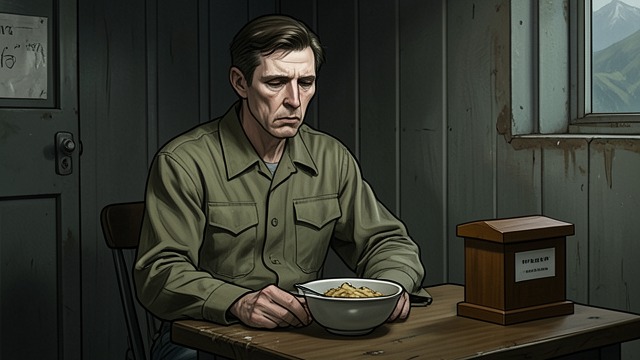
A Strike Meets the Ballot Box
A political symbol
Bobby Sands’s hunger strike coincides with his election to Parliament. His individual suffering mobilizes support far beyond the prison walls.
Death changes the conflict
The government’s refusal to concede does not stop the strike. Sands’s death and the deaths of nine others intensify republican politics and raise enduring questions about leadership decisions.
Survival and Responsibility

The Costs of Victory
A policy shifts
The end of force-feeding in British prisons changes the circumstances facing later hunger strikers. Dolours Price eventually wonders whether the precedent she helped establish contributed to subsequent deaths.
Martyrdom’s aftermath
Survivors carry guilt and trauma, while political movements turn deaths into symbols. The same bodily sacrifice that compels attention can leave its survivors questioning what it accomplished.
1916 and its later commemoration
1920
1973–1974
1981
After 1981
