
Informing and the Politics of Suspicion
Say NothingThis flow explores how the stigma of informing becomes a tool of control, a source of intelligence, and a rationale for executions and disappearances.
increasing Bearing strength in each event
 decreasing
Bearing strength in each eventdecreasingThe Tout as Outcast
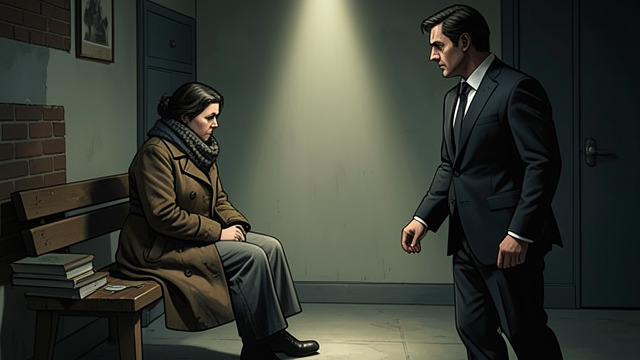
Betrayal in a Close Community
A cultural stigma
Informers are portrayed as among the lowest forms of traitor in republican tradition. In a close-knit city, even an unexplained trip or sudden money can invite suspicion.
Silence protects and traps
The taboo discourages cooperation with authorities but also makes genuine abuses harder to expose. People who know what happened may remain silent to protect themselves and their families.
Recruitment as Statecraft
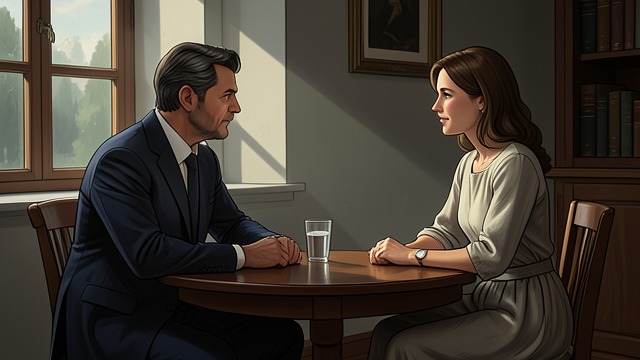
The Handler’s Leverage
Sources are made
Trevor Campbell describes recruitment through money, pressure, personal circumstances, and relationships. A source may be cultivated slowly or pushed into cooperation through vulnerability.
A double life
Handlers become confidants and practical support for informers who fear both prosecution and the IRA. The arrangement blurs the line between protection and exploitation.
The Nutting Squad
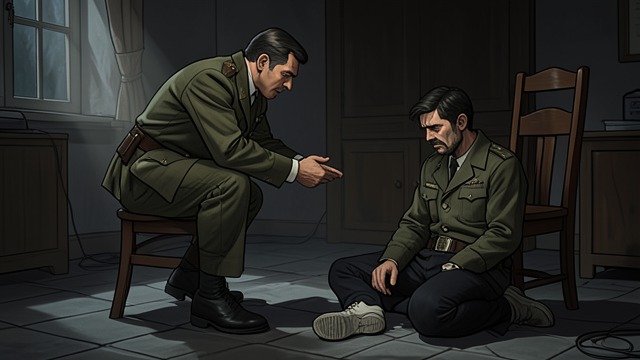
Hunting Traitors
Internal investigations
The IRA establishes a security unit to identify informers. Suspects face lengthy interrogation, threats, and violence, and confessions often precede execution.
Error compounds the system
Some victims are later acknowledged not to have been informers. Each killing may silence a source, but it also deepens fear and leaves families with no reliable account.
McConville’s Name Is Marked
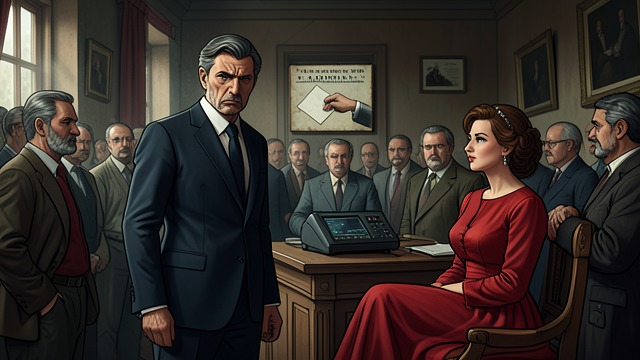
An Accusation Takes Hold
A disputed allegation
The IRA claims that Jean McConville was an informer, while her children say she was a vulnerable widow who helped a wounded soldier. The evidence for a radio and her alleged confession remains contested.
Stigma outlives the victim
The allegation harms the children long after Jean is dead. Whether true or not, it becomes a story used to justify the IRA’s most severe punishment.
A Mole at the Center
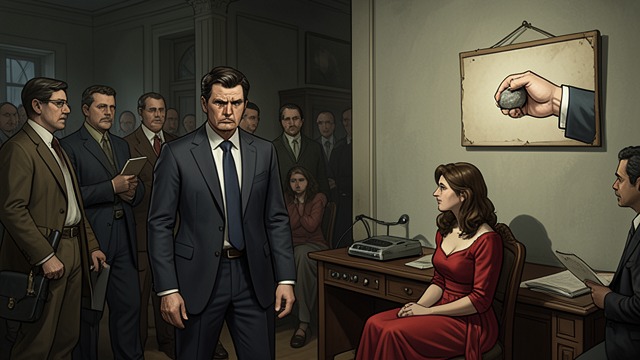
The Hunter Is Exposed
Stakeknife revealed
Freddie Scappaticci is publicly identified as an alleged British agent inside the IRA’s internal security unit. His exposure makes decades of counterintelligence violence harder to separate from state policy.
Suspicion remains after peace
The case raises questions about how many agents worked inside the movement and what their handlers allowed them to do. The lack of a comprehensive inquiry leaves betrayal as an unresolved social condition.
Before and during the Troubles
1970s
Late 1970s–1990s
1972 and after
2003–2018
