
From Armed Movement to Peace Process
Say NothingThis flow follows Gerry Adams’s changing political strategy as republican military activity gives way to negotiation and electoral politics.
increasing Bearing strength in each event
 decreasing
Bearing strength in each eventdecreasingA Young Belfast Strategist
Emerging Leadership
Political and military roles
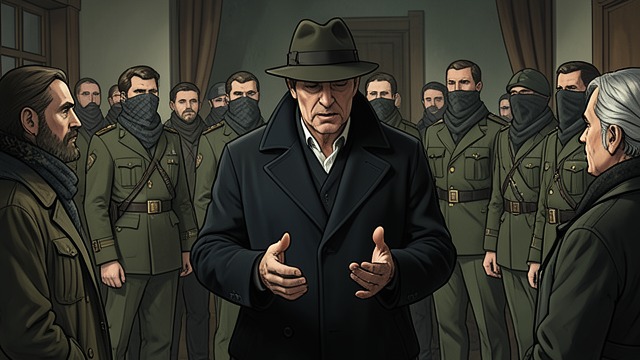
Gerry Adams rises within the Belfast republican movement as an influential strategist. Brendan Hughes becomes a close operational partner, carrying the armed campaign into the streets.
A concealed identity
Adams’s leadership is widely understood by contemporaries and authorities, though he later denies IRA membership. The gap between public account and private history becomes a persistent feature of his career.
The Failed Ceasefire

A Brief Opening
Negotiation becomes possible
A ceasefire allows republican leaders, including Adams, to meet British officials in London. The IRA demands British withdrawal, while the government rejects terms it cannot accept.
Violence resumes
The talks fail to produce a settlement, and the truce collapses within weeks. The return to operations, followed by Bloody Friday, deepens the movement’s strategic and moral crisis.
The Long War

Reframing Victory
A longer horizon
In Long Kesh, Adams urges prisoners to stop expecting an immediate military victory. He argues that the struggle may last decades and that armed action is a means, not an end.
Political capacity
His articles for Republican News promote strategic education and political organization. The argument meets resistance from volunteers who identify themselves primarily as soldiers.
Ballot and Armalite
Electoral Possibility
A hunger striker runs
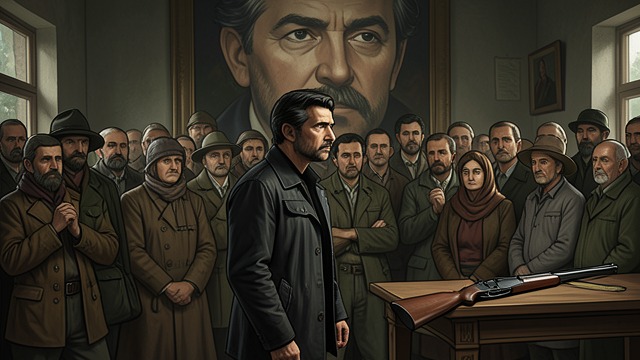
Bobby Sands’s election demonstrates that republican candidates can attract support beyond committed militants. Adams recognizes an opening for Sinn Féin to expand its political reach.
Two tracks together
The movement adopts electoral participation without abandoning violence. This strategy broadens political influence but creates the central contradiction that later critics will call a betrayal.
Negotiating a Settlement
From Contact to Agreement
Secret dialogue
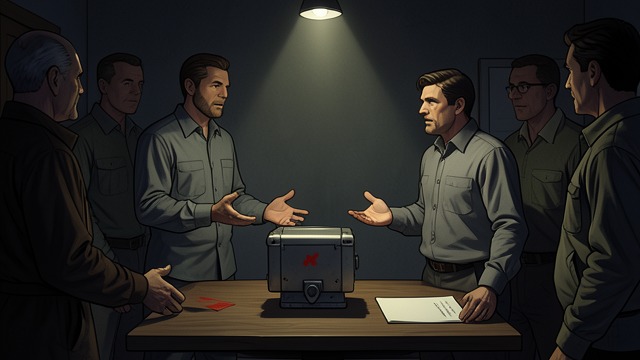
With Father Alec Reid’s help, Adams begins confidential exchanges with John Hume. They explore a political route that could draw republicans toward peace without an immediate public break with the armed movement.
An ambiguous peace
The Good Friday Agreement creates power-sharing and a consent framework. Adams describes it as a new phase of struggle, leaving supporters and former comrades to disagree about whether the compromise fulfills or abandons their aims.
Early 1970s
June–July 1972
Mid-to-late 1970s
1981–1983
1988–1998
