
The Disappeared and the Right to Mourn
Say NothingThis flow traces forced disappearance as a practice that denies burial, keeps families in uncertainty, and complicates reconciliation after the ceasefire.
increasing Bearing strength in each event
 decreasing
Bearing strength in each eventdecreasingA Body Withheld
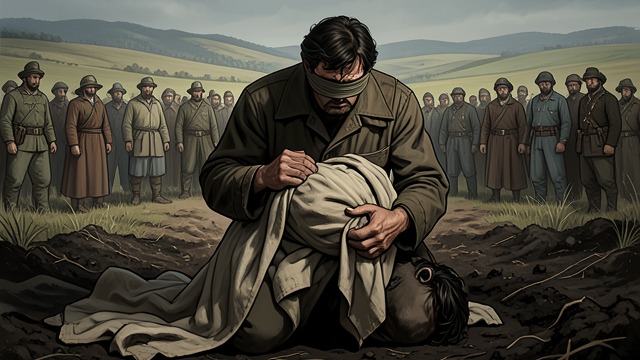
Death Without Burial
An additional punishment
The IRA secretly buries some victims rather than leaving bodies in public. The act conceals the killing and denies relatives the ordinary rituals that make grief possible.
Uncertainty persists
Families are left asking when and how their loved ones died. Without a grave, absence becomes a continuing condition rather than a past event.
Families Organize

Grief Becomes Public
Blue ribbons and testimony
Families of the disappeared form a public campaign, drawing inspiration from relatives in other countries. They ask for information and the return of remains.
A challenge to the peace process
The campaign demonstrates that cessation of violence cannot itself resolve the past. Political leaders are pressed to address deaths that remain hidden or unexplained.
Searches and Limited Immunity
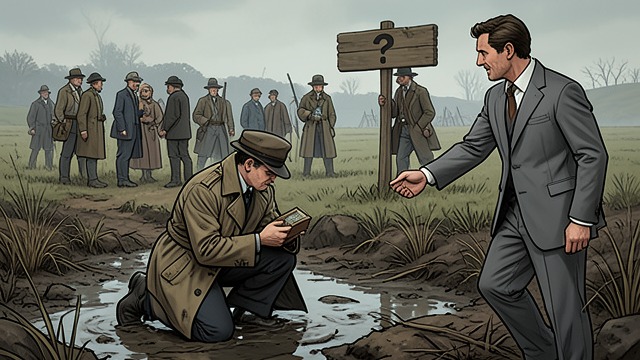
Locating the Dead
Investigators ask for help
The commission gathers information and searches remote sites. Limited immunity is meant to encourage people to identify burial locations.
Recovery is not reconciliation
Finding remains allows families to bury relatives but does not necessarily disclose who ordered a killing or why. The process restores a grave without creating a shared account.
The McConville Children Wait

A Search for Their Mother
A false lead
The family watches the failed dig on Cooley Peninsula and struggles over how to respond to the IRA and the allegation that Jean informed. Their grief does not produce one shared political position.
Recognition at last
The body is later recovered from Shelling Hill Beach. A nappy pin helps identify Jean, and the family can finally hold a funeral.
Memory Without Settlement
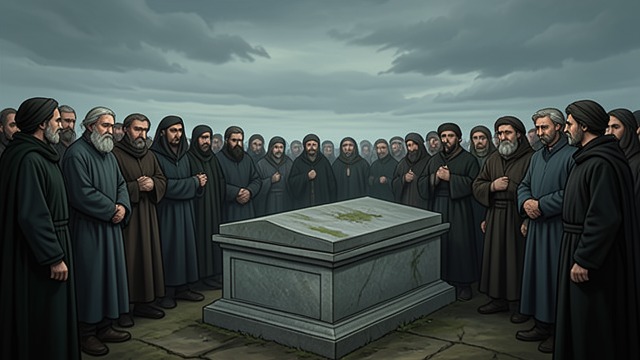
The Grave Does Not Close the Case
Criminal inquiry continues
The coroner rules that the discovery does not qualify for the limited immunity associated with commission-assisted recovery. The murder remains open to prosecution.
Families remain witnesses
The relatives attend hearings and challenge official and republican accounts. Their presence keeps the dead from being reduced to abstractions in a debate over competing victimhood.
1970s
1995–1999
1999 onward
1999–2003
2003–2018
