
The McConville Informer Controversy
Say NothingThis flow tracks the evidence and uncertainty surrounding the claim that Jean McConville informed for the British, and how that allegation shaped her family’s long fight.
increasing Bearing strength in each event
 decreasing
Bearing strength in each eventdecreasingA Widow Under Suspicion
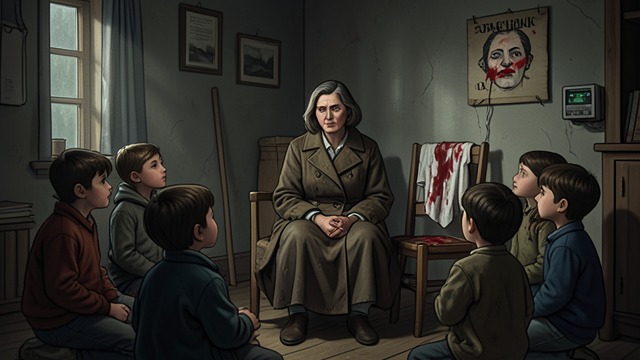
A Reputation Formed
A gesture becomes dangerous
Jean helps a wounded British soldier and is marked with the words “BRIT LOVER.” Her family becomes more isolated in a neighbourhood where allegations of collaboration can invite punishment.
Ordinary vulnerability
She is depressed, recently widowed, and responsible for ten children. The family’s circumstances make the later image of a capable intelligence agent difficult for them to accept.
A Warning in the Night
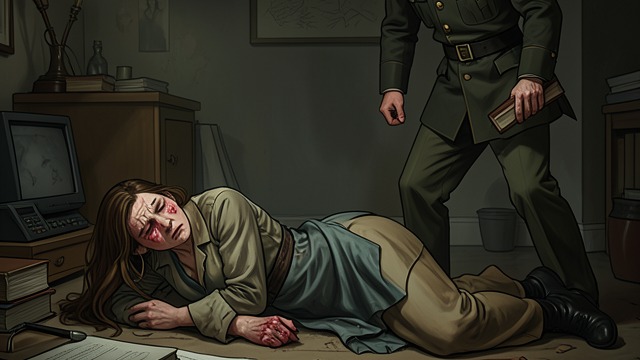
The First Interrogation
An official record
A police log describes a woman found beaten and wandering after being warned to stop giving information to the military. The record names “Mary McConville,” apparently confusing her with her mother-in-law.
Dates remain disputed
The log places the incident a week before the date the children give for Jean’s disappearance. If reliable, it lends some support to the sequence later described by Brendan Hughes.
The Radio Story
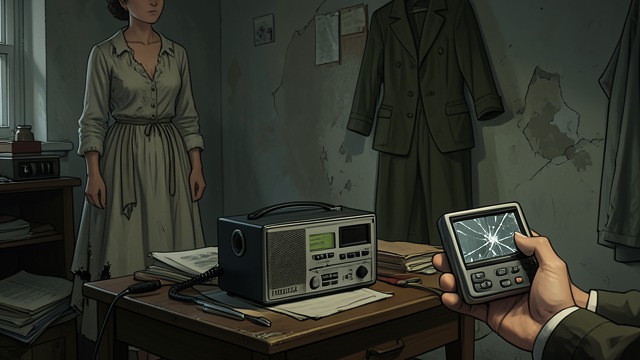
A Contested Piece of Evidence
Alleged transmissions
Brendan Hughes says a radio was found in Jean’s flat and that she confessed to passing information. Ed Moloney later locates evidence that the British Army used handheld radios in Belfast.
Practical questions persist
Critics question whether an informant could safely use such a device in the thin-walled flats. No official record confirms that Jean was an agent, and the radio’s presence remains unproven.
A Family Rejects the Charge
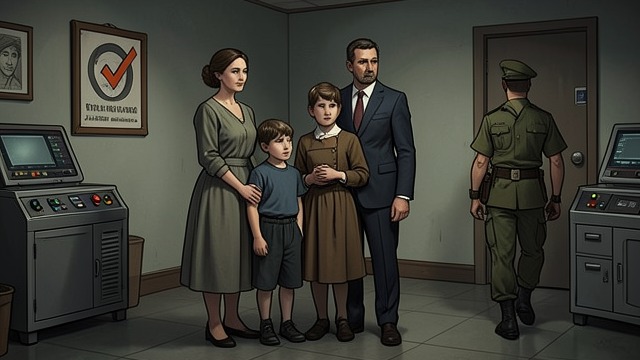
Clearing Her Name
Children challenge the story
Jean’s children argue that her abduction grew from sectarian suspicion and the incident with the wounded soldier. They insist that she had little opportunity to gather useful intelligence.
The ombudsman’s conclusion
Nuala O’Loan finds no record that Jean was an agent and calls her innocent. The conclusion reassures the family but does not erase the IRA’s continued allegation.
Uncertainty After the Tapes

No Final Answer
Testimony shapes public memory
Price’s account and Hughes’s account bolster the informer claim, while the family’s testimony and official records challenge it. The sources disagree about motive, timing, and what Jean supposedly admitted.
Allegation becomes a second wound
Even if the historical question cannot be settled, the label has lasting consequences for the children. The book refuses to treat the accusation as a moral justification for murder.
1972
Late November 1972, according to a police log
2001–2010, accounts of the 1972 case
1999–2006
2010–2018
