
The Price Sisters’ London Trial
Say NothingThis flow follows the public spectacle of the London bombing trial and shows how media narratives turn young women into symbols of political violence.
increasing Bearing strength in each event
 decreasing
Bearing strength in each eventdecreasingA Bombing in the Capital
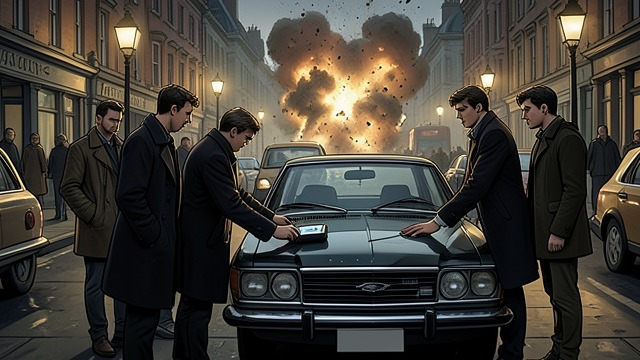
The Conflict Reaches London
A coordinated plan
The IRA sends a young team to place car bombs at central London targets. The plan relies on warnings, long timers, and rapid escape.
Warnings fail to prevent harm
Two bombs explode, injuring nearly 250 people and killing a man whose fatal heart attack began before the blast. The casualties force London to confront a conflict it had largely ignored.
Arrest and Refusal
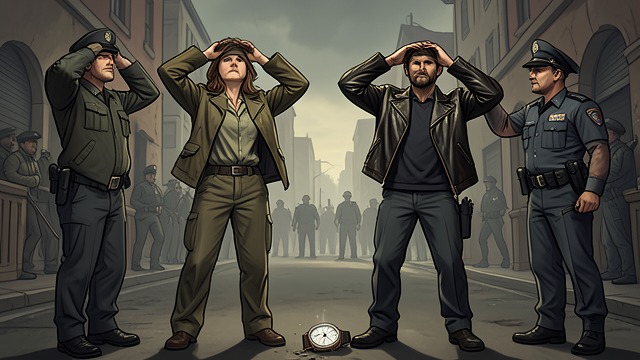
The Bombers Are Captured
Heathrow arrests
Police arrest the Price sisters and others as they attempt to leave. The team refuses to provide useful information, and Marian’s watch becomes a taunting reminder that the timers may have expired.
Political-prisoner stance
The sisters refuse ordinary prison uniforms, insisting they are captured soldiers rather than criminals. Their posture makes the case a dispute about political identity as well as criminal guilt.
A Trial in Winchester
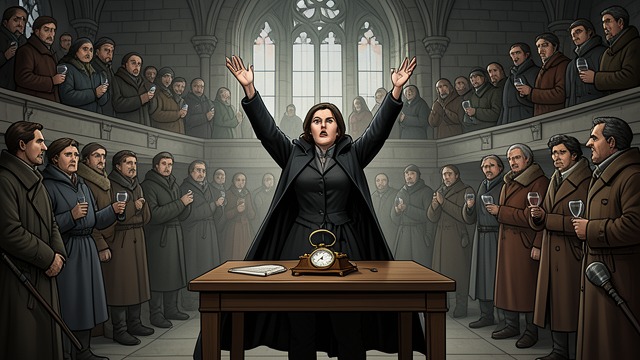
The Courtroom as Stage
Evidence and performance
The trial moves to Winchester Castle after the Old Bailey is damaged. Circumstantial evidence, including an indented bomb-timer diagram, undermines the defendants’ denials.
Public fascination
The press depicts the Price sisters as dangerous and sexually transgressive women. Their defiance and courtroom gestures challenge the court’s authority while heightening public interest.
The Verdict and the Dock
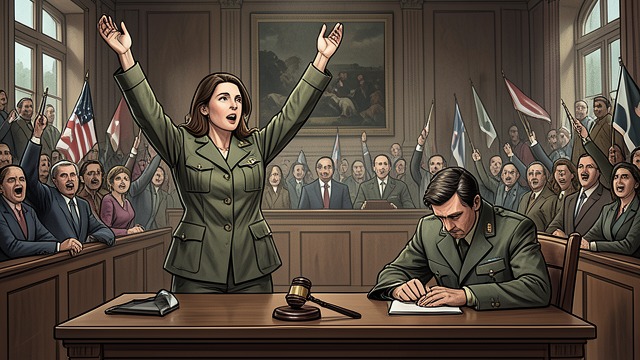
Conviction Becomes Political Theater
A co-defendant cooperates
Roisin McNearney is acquitted after cooperating with authorities. The other defendants humiliate her publicly, turning courtroom loyalty into a performative punishment.
The sisters claim status
The Price sisters are sentenced and announce themselves as IRA volunteers and prisoners of war. The courtroom becomes a platform for competing claims of justice and legitimacy.
The ‘Bomb Girls’

Gender and Spectacle
Media reduce and magnify
Newspapers frame the sisters as symbols of feminism, terrorism, or dangerous femininity. The language can sensationalize their lives while obscuring the political argument they make.
Their bodies become public terrain
The hunger strike turns the press narrative toward visible physical decline. The coverage links courtroom defiance to a broader contest over who can speak for political prisoners.
March 1973
March 1973
September–November 1973
November 1973
1973–1974
