
The 1973 London Bombing Mission
Say NothingThis flow tracks the mission’s planning, execution, failed escape, and consequences, emphasizing how intentions to warn civilians collide with explosive force and human error.
increasing Bearing strength in each event
 decreasing
Bearing strength in each eventdecreasingA Strategic Argument
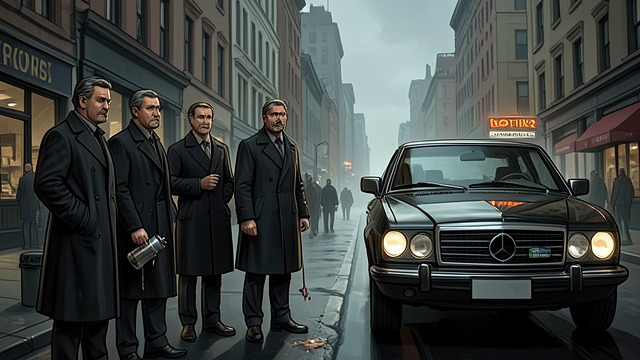
Bring the War to England
A change of target
Dolours Price argues that bombing only Northern Ireland harms local people while the British public remains distant from the conflict. She proposes an attack in London as a political shock.
Leadership approval
A plan for firebombs fails when the acid leaks. The group shifts to car bombs, drawing in volunteers who understand that the operation could bring the death penalty.
Training and Preparation

Four Cars, Four Targets
An operation assembled
Stolen cars are repainted and fitted with explosive devices and timers. The target list includes government, police, military-media, and judicial sites.
A vulnerable plan
The volunteers are young and largely untested in England. Their schedule assumes that warnings will provide time to evacuate and that they can fly home before discovery.
The Airport Scare

A First Warning
Customs delays one car
A suspicious registration causes officials to question the team at Liverpool. The group worries that British authorities have discovered the operation.
The plan contracts
Two additional cars are not sent to England. The team continues with four bombs, showing how quickly the mission depends on improvisation rather than secure control.
The Bombs Are Found
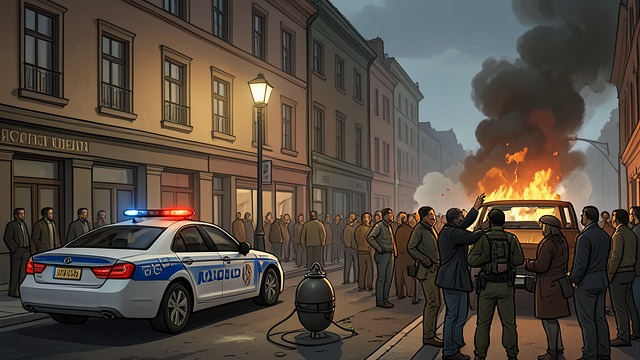
A Race Against Timers
Police receive a warning
The Metropolitan Police search London after an earlier tip but find only one car promptly. A bomb outside New Scotland Yard is defused.
Delay proves fatal
A later warning reaches officials imperfectly, and the bomb at Whitehall explodes. Another detonates outside the Old Bailey before the area is cleared, injuring hundreds.
Capture and Reckoning
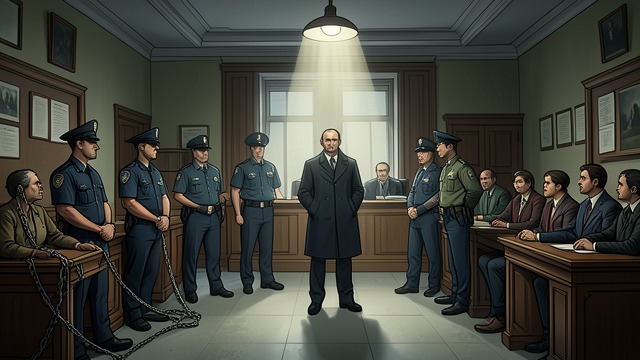
An Operation Ends in Court
Escape fails
The bombers arrive at Heathrow expecting to return unnoticed. Police arrest most of the team, and one participant escapes detection.
Responsibility is disputed
The IRA members blame police delays for casualties, while prosecutors question the warnings’ timing. The trial establishes legal guilt for most defendants without resolving the moral gap between stated intent and actual harm.
1972
February–March 1973
March 1973, before the attack
March 8, 1973
March–November 1973
