
Dolours Price’s Reckoning
Say NothingThis flow follows Dolours Price from revolutionary certainty through prison and family life into belated testimony, addiction, and moral distress.
increasing Bearing strength in each event
 decreasing
Bearing strength in each eventdecreasingThe Fighter’s Ambition
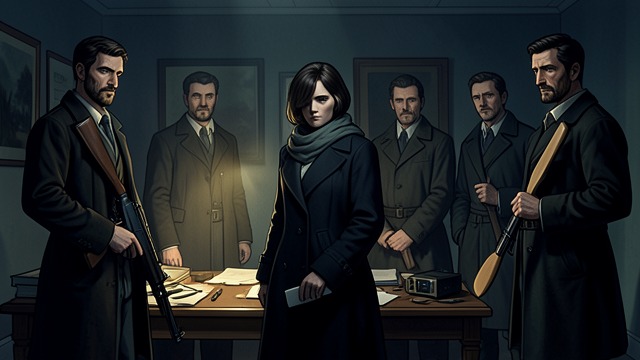
A Chosen Identity
From protest to armed action
After Burntollet Bridge, Dolours concludes that peaceful protest cannot transform the conflict. She joins the Provisional IRA and seeks direct operational responsibility.
Confidence and risk
The organization gives her training, clandestine work, and dangerous missions. Revolutionary romance coexists with the knowledge that recruits expect either prison or death.
Prison and Hunger
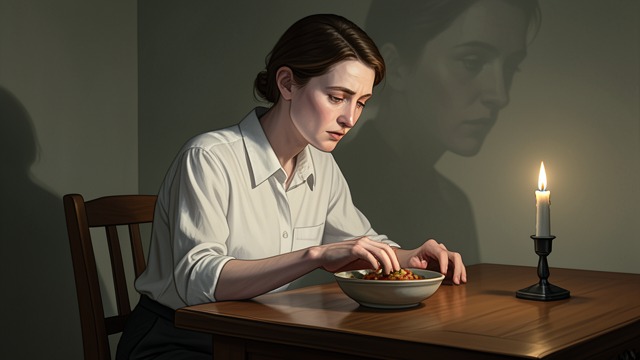
The Body as Protest
A contested demand
After conviction for the London bombings, Dolours refuses ordinary prison clothing and undertakes a hunger strike for transfer to Northern Ireland. Force-feeding turns protest into prolonged bodily trauma.
A partial victory
The government ends the feeding and eventually returns the sisters to Armagh. Dolours survives, but her relationship with food and her sense of bodily control are permanently altered.
Leaving the Movement
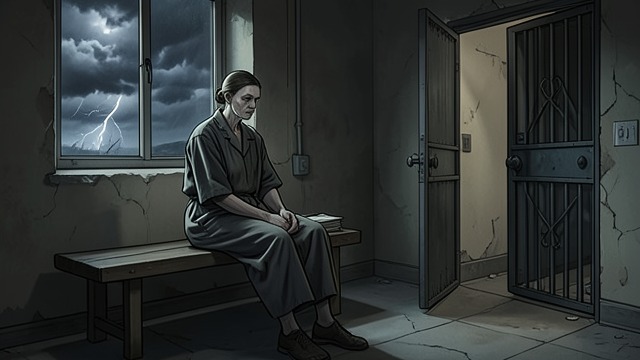
Doubt in Prison
Violence becomes harder to defend
The La Mon bombing prompts Dolours to question what the armed struggle is doing. She resigns from the IRA after refusing an order concerning other prisoners.
Release at a cost
An eating disorder leaves her gravely ill, and she is released on medical grounds in 1981. Bobby Sands dies during the same period, leaving Dolours with a lasting sense of moral consequence.
A Life Outside Prison

Family and Cultural Work
Rebuilding a life
Dolours moves toward writing, marries Stephen Rea, and helps with Field Day. She becomes a mother after fearing that prison had taken that possibility from her.
An incomplete retreat
She turns away from operational violence but retains republican commitments. Her life with Rea and their children offers ordinary attachments without erasing her past.
Speaking of the Disappeared
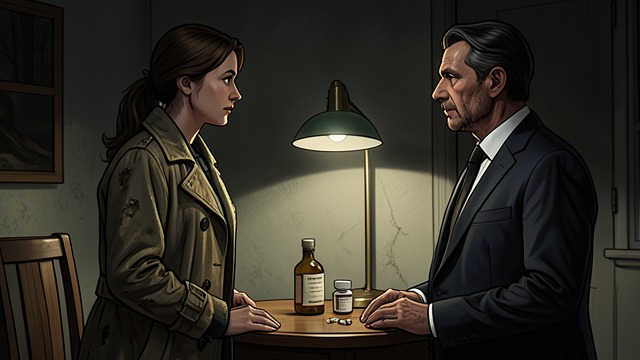
A Story Told Late
Old actions return
Dolours becomes outspoken about Gerry Adams and the peace process. She tells Ed Moloney that she helped escort and execute Jean McConville, while acknowledging uncertainty and distress about the justification.
The cost of testimony
Her interviews become part of the Boston College subpoena dispute. Alcohol and medication compound her isolation, and she dies before the legal aftermath has run its course.
1971–1972
1973–1975
1978–1981
1981–1990s
2000–2013
