Culture of silence
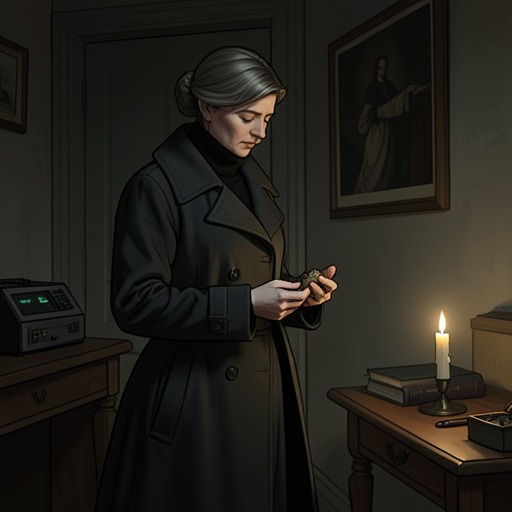
Say NothingThe Culture of silence was a condition of the Troubles in which fear could make enquiries about a vanished loved one dangerous. The experience of Jean McConville’s children shows how that silence worked alongside, rather than instead of, public talk: rumours spread freely, but asking what had happened could bring a threat of violence.
Gossip and uncertainty
Belfast could feel like a small town, and its civic culture was already thick with unsubstantiated gossip before the Troubles. Soon after Jean McConville disappeared, rumours claimed that she had not been abducted but had left of her own accord to live with a British soldier. Her children heard the stories in whispers and encountered the judgement behind them when they met neighbours in shops or on the street. At home, some wondered whether their mother really could have abandoned them; her continued absence made the rumour difficult to dismiss, even when it seemed impossible.
Archie McConville later described the gossip as more than an added hurt: he considered it an attempt to damage the family’s ability to think clearly. In this way, silence did not mean that nothing was said. Unverified stories filled the space left by the absence of an answer, leaving the children exposed to both uncertainty about their mother and suspicion from their neighbours.
Intimidation and enforced silence
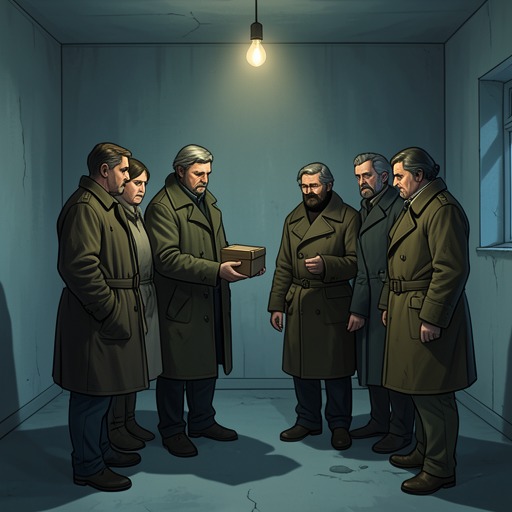
The danger of asking questions was not merely social. With armed factions at war in the streets, even an apparently innocent enquiry about a missing relative could be hazardous. One day in February, boys from the youth wing of the Irish Republican Army seized Michael McConville and took him to a room. They tied him up, stabbed him in the leg with a penknife, and released him with a warning not to talk to anyone about what had happened to his mother.
The attack made the culture of silence physical and immediate: Michael’s effort to speak, or the prospect that he might speak, was answered with injury and a threat. The episode shows how fear could be imposed on a family already trying to understand a disappearance. It also distinguishes coercive silence from the neighbours’ gossip: one circulated claims about Jean, while the other sought to prevent questions about her fate.
The cost of not knowing
For the children, the result was not simply a lack of information. Rumour and intimidation left them caught between competing explanations, without a safe way to establish what had happened. Their mother’s absence remained unresolved in daily life, while the stories around it made uncertainty harder to bear. The Culture of silence thus protected no clear account of the disappearance; it prolonged the family’s doubt and made the search for an answer dangerous.