Margaret McKinney
Say NothingMargaret McKinney is presented as a determined mother whose son Brian disappeared in 1978 and whose grief became part of a wider effort by families to learn what had happened to their missing relatives and recover their bodies. Her story moves from the uncertainty of a son who never came home to the insistence that, even if he was dead, his family should have a grave to visit.
Brian’s Disappearance
Brian was twenty-two when he left in his sister’s car after telling his mother, “I’m away Mammy.” Margaret never saw him again. Rumours later suggested that he had emigrated to England or Mexico, leaving her without certainty about whether he was alive or what had happened to him. The disappearance did not resolve into an answer; it persisted as a painful absence.
The Private Shape of Grief
Margaret likened the uncertainty to a nagging toothache: a dull pain that remained present over the years. She refused to change the linen on Brian’s childhood bed. Sometimes she got into it and wrapped his clothes around herself, hoping sleep might bring a dream in which she could see him. Each time she woke, he was still gone. The bed and the clothes preserved a physical connection to her son, while the repeated waking returned her to the fact of his absence.
Eventually, Margaret acknowledged that Brian was dead, but acceptance of his death did not settle the matter. She could not accept having no grave to visit. That distinction gives her loss its particular force: knowing he had died was not the same as being able to locate him, mourn him at a burial place, or bring his disappearance to an end.
Organizing the Families
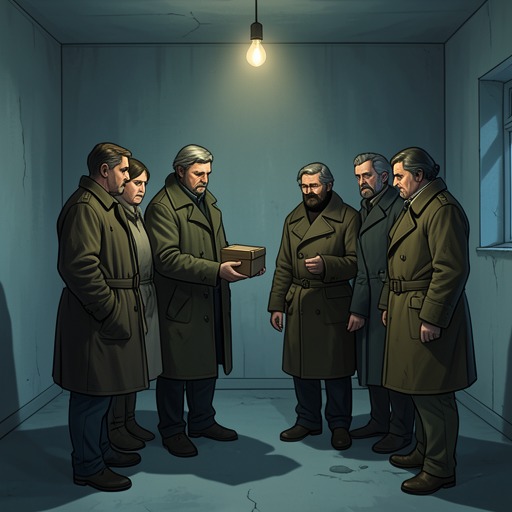
Margaret rallied other families whose loved ones had disappeared. For years, fear had kept them silent; meeting one another brought relief, though not catharsis, as they found people who understood the enduring trauma of an unresolved loss. The families had mostly abandoned hope that their relatives would return alive, but they continued to seek their bodies.
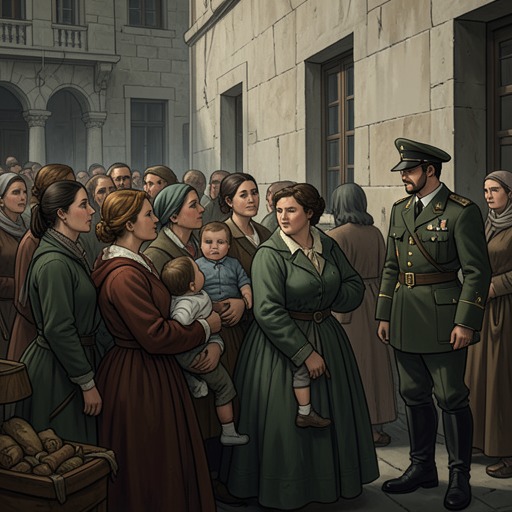
After the ceasefire, the families felt secure enough to go public. They wore blue ribbons as symbols of remembrance and sent them to prominent figures, including Bill Clinton and Nelson Mandela, to raise awareness. Their group drew inspiration from the mothers of the disappeared who gathered at the Plaza de Mayo in Buenos Aires. The comparison made a local campaign legible as part of a wider experience of families demanding answers about missing relatives.
Brian’s Recovery and the Meaning of a Grave
A month after Eamon Molloy’s body was discovered, a commission exhumed two further bodies from a bog in County Monaghan: Brian and his friend John McClory. They had been killed after stealing a gun from a Provo arms dump and using it to rob a bar. Brian’s recovery supplied the answer that rumours and years of waiting had withheld, but it also confirmed the loss Margaret had been forced to live with.
The recovery gives concrete meaning to the demand she had expressed: a grave to go to. Her private insistence and her public organizing belong to the same effort—to turn an unlocated disappearance into a named death and a body that could be recovered. Through Margaret, the account shows how families’ search for the disappeared persisted even after they had ceased to expect their loved ones to return alive.