
Subjective Ratings and Objective Form
Science Fiction, Fantasy and Horror Genre and Rating GuideThis flow traces the conflict between the measurable appearance of the guide and the personal judgment behind its scores.
increasing Bearing strength in each event
 decreasing
Bearing strength in each eventdecreasingNumbers Appear
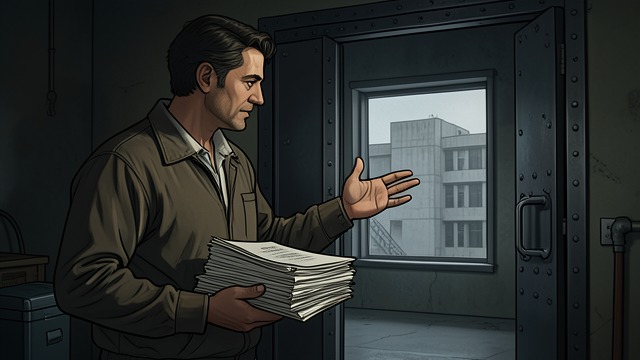
The Authority of Numbers
Apparent Objectivity
A numerical rating looks stable and comparable. It gives the reader the reassuring impression that literary value can be placed on a common scale.
Hidden Subjectivity
Yet the number records a human response. It is shaped by taste, expectation, context, and the compiler's relation to the work.
The conflict begins when a personal judgment adopts an objective form.
Scores Diverge

Uneven Reception
Variation
The catalogue contains a wide spread of ratings, showing that works differ sharply in the compiler's estimation. The pattern creates a visible hierarchy of enthusiasm.
Interpretive Tension
Readers may question both high and low scores. A divergence between the guide and a reader's response exposes the limits of universal ranking.
Disagreement becomes evidence of active reading.
Judgment Rebalanced
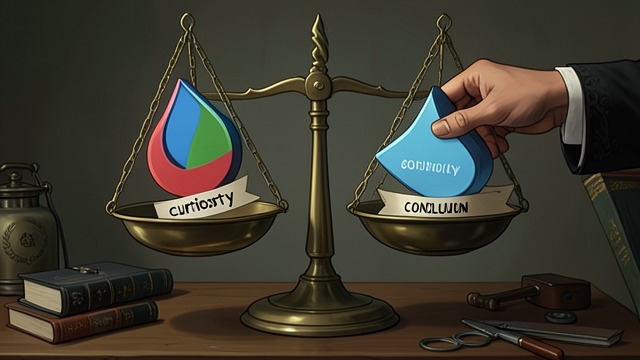
Numbers as Invitations
Practical Role
The rating is most useful when it directs attention without dictating conclusions. It helps readers decide where to begin.
Final Freedom
The reader retains the right to revise the score through personal experience. The guide's numerical authority becomes provisional and conversational.
The conflict resolves when measurement serves curiosity instead of replacing it.
at the introduction of the star scale
during the broad range of listed ratings
near the guide's conclusion
