
The Magazine Ecosystem
Science Fiction, Fantasy and Horror Genre and Rating GuideThis flow follows the guide's portrayal of magazines as engines of discovery, serialization, and genre continuity.
increasing Bearing strength in each event
 decreasing
Bearing strength in each eventdecreasingPeriodical Presence
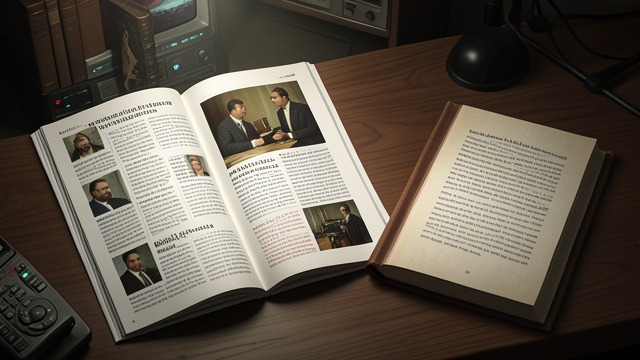
The Magazine Layer
Beyond Books
Magazines occupy a distinct place in the guide because they combine fiction, editorial material, criticism, and cultural conversation. Their presence prevents the history of genre from being reduced to book publication alone.
Regular Contact
Periodicals create recurring contact between writers and readers. They make speculative literature feel like an ongoing community rather than a series of isolated volumes.
The magazine layer gives the catalogue a sense of time and movement.
Serial Reading
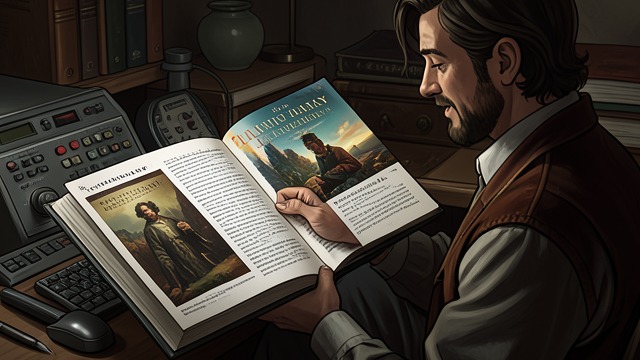
Narrative in Installments
Fragmented Publication
Serial entries divide larger works or continuing narratives into installments. This format records how readers may have encountered a story gradually, with anticipation between sections.
Continuity Pressure
A serial also creates a special problem for cataloguing: sequence, completeness, and identification become essential. The guide's format codes help distinguish installments from complete editions.
Serialization thus turns bibliography into a record of reading time.
Online Periodicals

Periodicals After Print
New Distribution
Online magazines broaden the periodical ecosystem by lowering publication and access barriers. They can support emerging writers and make international or experimental work easier to discover.
Archival Difficulty
Their rapid production also makes preservation difficult. Issues may be renamed, moved, or removed, leaving catalogues to preserve traces of a shifting publication history.
The guide records this instability as part of modern genre culture.
when magazine entries first appear
during the many serial listings
in the later digital-oriented entries
