
The Interview Archive
Science Fiction, Fantasy and Horror Genre and Rating GuideThis flow traces the guide's secondary archive of interviews as a record of how authors and editors explain their own practices.
increasing Bearing strength in each event
 decreasing
Bearing strength in each eventdecreasingInterviews as Entries
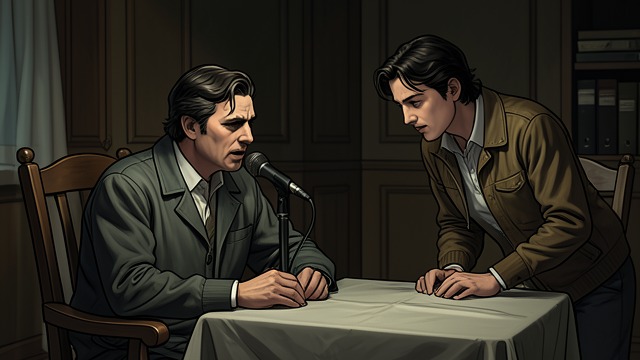
Voices Behind the Books
Authorial Context
Interviews add a different kind of information from ratings and genre codes. They show writers discussing influences, methods, careers, and relationships to the field.
Supplementary Reading
These entries do not replace the primary works. Instead, they deepen the reader's sense of how a story emerged and how an author understands its artistic problems.
The interview archive makes literary production visible without turning it into a simple biography.
Editorial Conversation
The Work Behind Selection
Shaping the Field
Interviews with editors and publishers reveal the institutions that decide what reaches readers. Their choices influence which voices are promoted, preserved, or discussed.
Negotiated Standards
Such conversations also expose disagreement about genre boundaries, market expectations, and literary value. The field emerges as a negotiation rather than a natural order.
The guide's interview material therefore enlarges its focus from authors to cultural intermediaries.
Interview as Memory
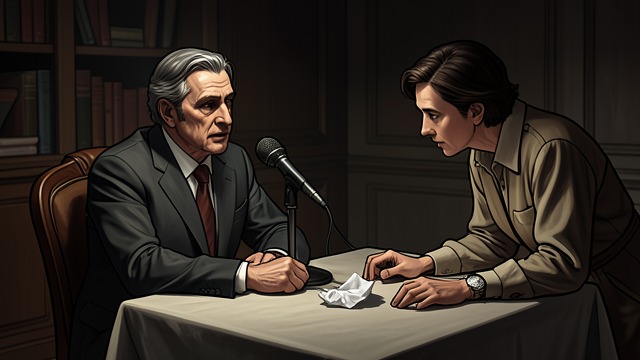
Preserved Testimony
Historical Record
An interview can preserve a moment that would otherwise vanish: a writer's explanation of a series, an editor's account of a magazine, or a publisher's statement about digital access.
Changing Interpretation
Later readers may understand the work differently, but the archived conversation remains valuable as evidence of its original context and ambitions.
The interview archive turns the guide into a partial oral history of speculative culture.
when interview listings begin recurring
during the repeated editor and publisher interviews
near the guide's conclusion
