
The Waterways as Ecological Highways
Secret InvasionThis thematic flow interprets rivers, bays, sewers, and wetlands as both animal habitat and connective infrastructure for the crisis.
increasing Bearing strength in each event
 decreasing
Bearing strength in each eventdecreasingThe Bay Becomes a Hunting Ground
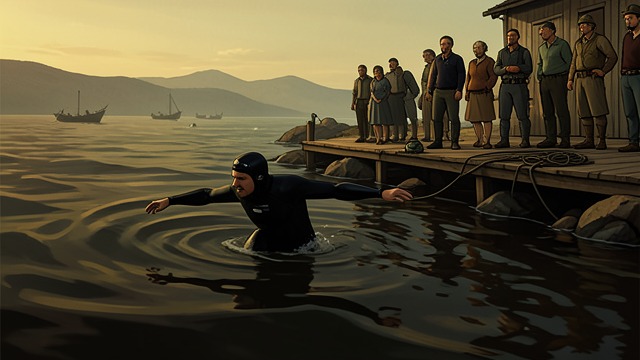
The Bay Becomes a Hunting Ground
Familiar abundance changes
Dennis expects jellyfish and fish on the Chesapeake Bay pier, not predators climbing its supports. The ordinary ecology he knows offers no protection when sliggers arrive.
Water links danger to home
His swim toward shore brings him closer to his house but not beyond the creatures’ reach. The attack shows that aquatic space connects residents to danger rather than separating them from it.
Sewers Carry the Threat
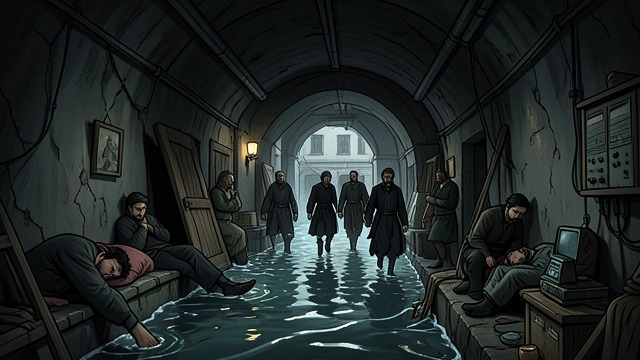
Sewers Carry the Threat
Hidden urban routes
Sliggers enter New York’s sewer system from the waterfront and move through tunnels toward a concealed shelter. The city’s underground infrastructure becomes an extension of the shoreline.
Habitat beneath routine life
People sleeping below street level have little warning and no clear escape. The attack makes visible a network that ordinarily remains outside public attention.
Freshwater Does Not Stop Them
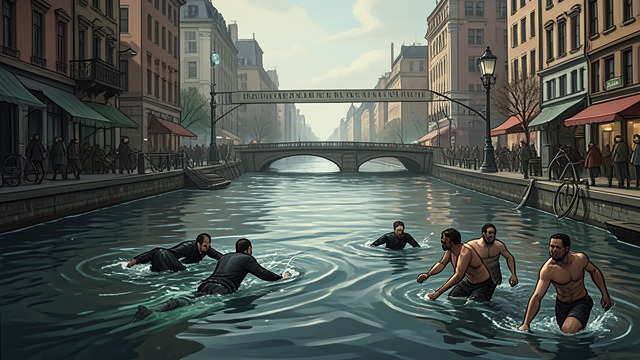
Freshwater Does Not Stop Them
An assumption collapses
The early research team had seen hatchlings survive in tap water, but later reports confirm that rivers offer a viable route for adults as well. Freshwater is not a dependable boundary.
New scale of exposure
The Mississippi connects distant cities and wetlands. Its reach transforms the problem from coastal invasion into a potential inland migration.
Wetlands Shelter Nests
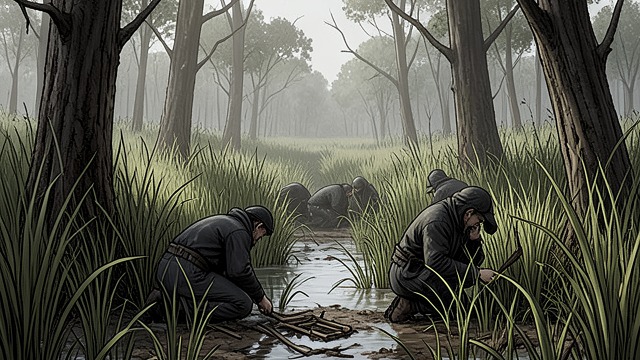
Wetlands Shelter Nests
Concealment in vegetation
Tall grasses, mud banks, and submerged trees provide cool, protected places for eggs. The same landscape is difficult for people to traverse and inspect.
Search becomes ecological work
Responders must read terrain as habitat, not merely as a boundary to patrol. Their growing understanding of marshes and waterways becomes central to locating nests before the animals spread.
Clearing Connected Systems
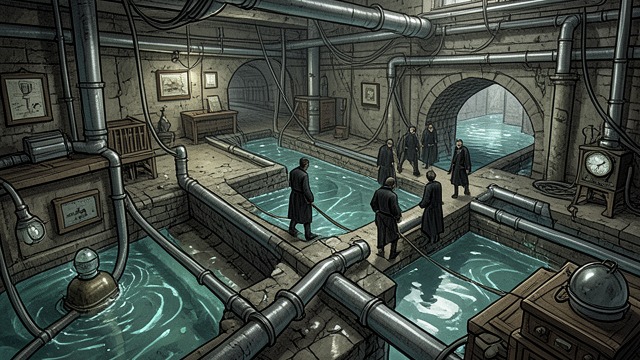
Clearing Connected Systems
Beyond a single shoreline
The campaign searches rivers, culverts, sewers, and tributaries because a nest may connect to distant waterways. Treating sites as isolated would leave routes open for movement.
Geography shapes the outcome
Concentrated sweeps advance through connected areas and reduce the chance of missing a pocket behind the search line. The eventual clearance depends on understanding the landscape as a system.
At night during Dennis’s fishing trip
The night of the Staten Island attack
After reports reach the Mississippi
During the Georgia and Louisiana searches
During the final upstream operations
