Wrecker Island Nazi U-boat
Secret InvasionThe Wrecker Island Nazi U-boat is the wreck from which an unidentified substance leaked into the ocean and is suspected of setting the Sligger crisis in motion. Though the substance’s identity and the scientists’ precise aims remain unconfirmed, the wreck links a wartime experiment to a delayed ecological disaster—and makes the handling of contaminated organisms as important as destroying the creatures themselves.
Discovery and Unresolved Origins
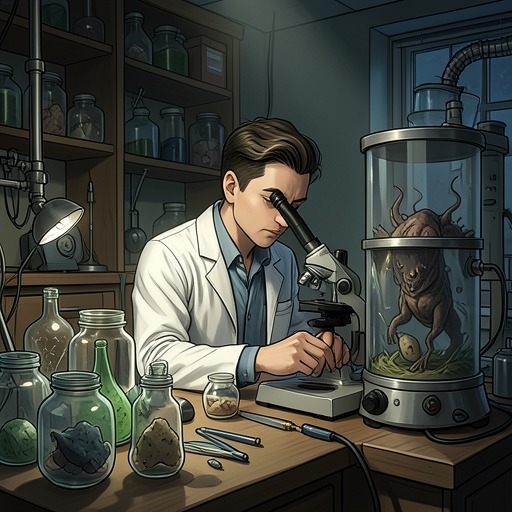
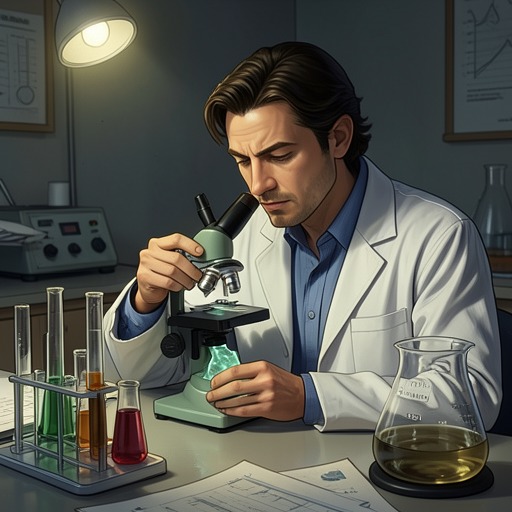
The old submarine was found stranded beneath Wrecker Island, off the coast. Strange experimental materials were discovered inside, and residue samples were brought back for analysis. The tests had not yet produced a definitive identification: Denise’s tissue analysis of the creatures was inconclusive, while laboratory results on the submarine residue were still pending.
Mason described the material as having leaked into the ocean many years earlier and said that investigators suspected a genetic-mutation or biological-warfare experiment. Denise proposed that German and Japanese scientists had created a substance capable of inducing genetic mutation when introduced into an organism’s DNA. Ron considered the theory viable in light of Nazi experimentation during World War II, but the account presents it as a working explanation, not a confirmed laboratory finding.
Suspected Ecological Consequences
Denise’s theory connects the wreck’s residue to the creatures through generations of feeding and mutation. She suggested that organisms exposed to the substance changed genetically, then passed along or accumulated traits associated with the marine animals they consumed. This offered an explanation for the Sliggers’ mixture of characteristics from different marine species, without resolving exactly what the substance was or how the original exposure occurred.
The danger was not limited to the creatures themselves. Mason warned that blowing up Sliggers could scatter mutated tissue into the water, where other animals might eat it and carry the contamination onward through the food chain. Denise therefore stressed recovering tissue and cleanly collecting and burning carcasses so scavengers could not feed on remains containing mutated DNA. The submarine’s leak thus remained consequential even after the wreck had been discovered: containment depended on preventing biological material from extending the chain of exposure.
The Wreck and the Response
The response to the infestation treated nest destruction and careful disposal as connected tasks. Mason advised searching dark, wet places near water for nests and destroying both the nests and the Sliggers associated with them. At Wrecker Island, the mission destroyed the creatures and their eggs, disposed of the carcasses properly, and cleaned up the toxic element that had leaked from the submarine to restore the island’s ecosystem. The operation succeeded, but ten of the fourteen South Carolina State Patrol troopers who came to assist were killed in the battle.
The same precautions became part of the wider response as the threat appeared at distant coastal locations and spread through waterways. Later, after a nest near Baton Rouge was destroyed, searchers covered another forty miles of waterways without finding a further monster; Ron’s assessment also emphasized that exterminated creatures had been removed without leaving remains that could contaminate the ecosystem. These measures do not establish the substance’s chemistry or prove every step of its route through the environment. They show how the wreck’s unresolved legacy shaped the crisis’s practical stakes: killing the Sliggers was not enough if their remains could renew the danger.