
Uribe’s Uneasy Refuge
Senza sangueThis thread traces how Ricardo Uribe turns a compromised postwar life into shelter for Nina, then abandons that shelter when pressure returns.
increasing Bearing strength in each event
 decreasing
Bearing strength in each eventdecreasingA Pharmacist Under Suspicion
A Pharmacist Under Suspicion
A compromised past
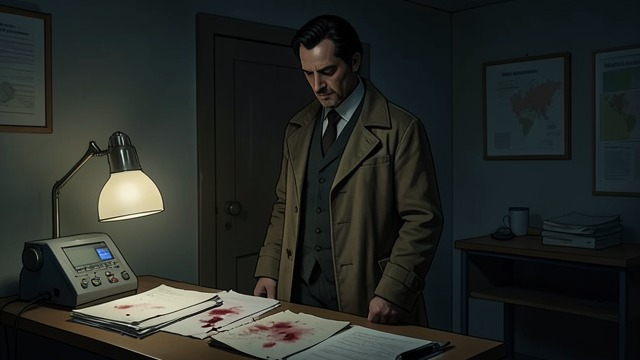
After the war, Ricardo Uribe faced police scrutiny over his connection to the hospital associated with the Iena. His name appeared among its suppliers, and witnesses claimed to have seen him working there, though others remembered him as a decent man.
A narrow escape
Uribe attended questioning and explained himself, then was released. Rather than remain where suspicion could gather around him, he gathered his belongings and left for a small settlement in the southern countryside.
A refuge built on concealment
His departure carried both self-preservation and the promise of reinvention. The quiet life he sought would later give Nina shelter, but it would also depend on people accepting a story he could not safely explain.
A New Household
A New Household
The pharmacy
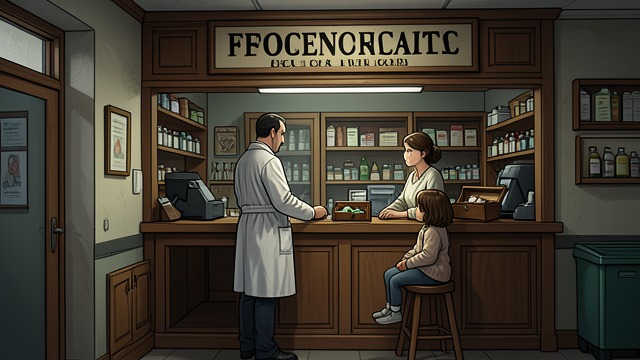
Uribe bought a pharmacy in a remote town and resumed his profession. The work offered a respectable place in the community and the routine of a life that seemed separate from wartime accusations.
The daughter’s story
He lived alone with a young girl he called Dulce and told neighbors that her mother had died years earlier. People believed him, allowing the child to exist publicly as his daughter without asking where she had come from.
Shelter through invention
The household was more than a domestic arrangement: it hid Nina, the surviving child of Manuel Roca. Uribe’s assumed family identity gave her a place to live, but it also made her safety dependent on his willingness to maintain the fiction.
Lessons Behind the Counter
Lessons Behind the Counter
A restricted childhood
Uribe kept Nina in the back of the pharmacy during the day and taught her between customers. He discouraged her from going out alone, insisting that whatever she needed to learn could be learned from him.
The caregiver’s unease
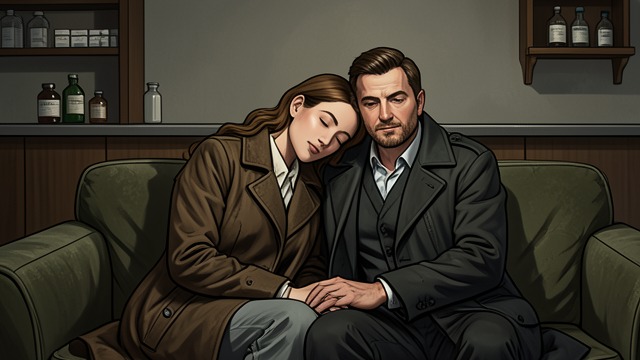
At night, Nina rested beside him on the sofa while he told stories of war and stroked her hair. She sensed his body beneath his clothes, but the narration shows no clear understanding on her part of what that intimacy meant.
A fragile boundary
Uribe’s care and fear coexist uneasily. He provides shelter and education, yet his closeness makes the safety of the household uncertain, and his abrupt withdrawal after kissing her leaves Nina with no explanation of what has changed.
A Suitor as an Exit

A Suitor as an Exit
Remorse and retreat
After kissing Nina and touching her beneath her skirt, Uribe suddenly stopped, wept, and begged her to forgive him. His fear appears to overwhelm whatever intimacy he had initiated, but he gives Nina no account of what frightened him.
A future arranged
A few days later, he told her that he had found her a fiancé: a young bricklayer from nearby Rio Galvan. Nina met the tall, very thin young man in the town square, exchanged greetings, and returned home.
A decision without explanation
Uribe’s arrangement redirects Nina’s future without asking what she wants. The episode sharpens the contradiction at the heart of his guardianship: he has protected her from exposure, but he also treats her life as something he can organize on her behalf.
The Refuge Is Surrendered
The Refuge Is Surrendered
Suspicion returns
When Salinas was found dead, rumors connected the death to his doctor, Astarte, and the old medicine Botran. The inquiry also revived attention to Uribe’s wartime history, making his quiet life with Nina vulnerable again.
An ultimatum at Belsito
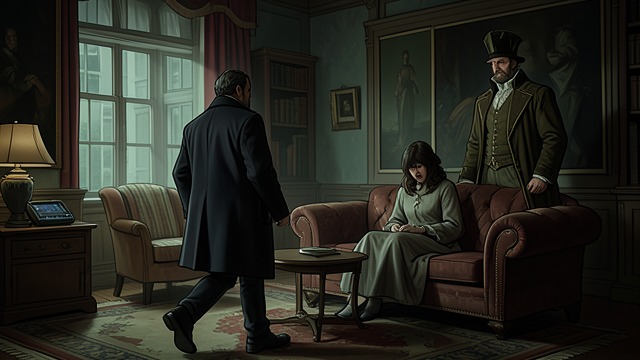
The veterans decided Nina might know something dangerous and assigned the Count of Torrelavid to remove her. The Count went to Uribe and offered a brutal choice: face possible imprisonment over Salinas’s murder or disappear and surrender the girl.
The second abandonment
Uribe left Nina with the Count and went away, later dying beyond the border. The refuge he had created ended not in a public exposure of the past, but in his fearful retreat, leaving Nina to face another household and another uncertain future.
After the war, before Uribe leaves the capital
Soon after Uribe settles in the southern countryside
When Nina is about eleven
A few days after Uribe kisses Nina
After Salinas’s death and the renewed postwar investigation
