
The Poker Game That Traded Nina’s Future
Senza sangueThis thread follows the wager that turns Nina from Uribe’s dependent into the Count of Torrelavid’s possession, wife, and eventual heir to Belsito.
increasing Bearing strength in each event
 decreasing
Bearing strength in each eventdecreasingA Winning Hand
A Winning Hand
The game at the Riviera
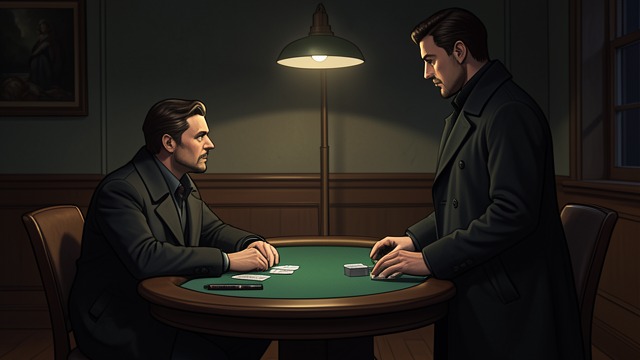
Uribe went to the Riviera, a gambling tavern he visited on the same day each week. Late that night, he held four jacks while the pot had grown far beyond anything he usually saw in a year.
The Count raises the stakes
The other players had dropped out, leaving Uribe facing the Count of Torrelavid. The Count escalated the game until he placed his Belsito estate on the table, bringing the room to an abrupt silence.
A prize beyond money
Uribe said he had nothing worth playing against Belsito. The Count answered by naming Nina, transforming a card game into a contest over a child’s future and revealing the power imbalance beneath the apparent rules of chance.
The Proposed Exchange
The Proposed Exchange
A calculated provocation
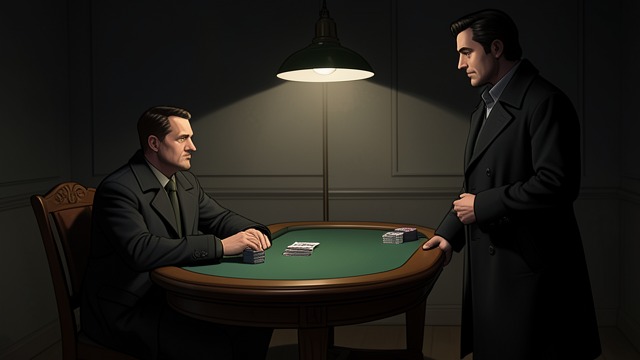
The Count told Uribe that he could wager the pharmacy, then suggested Belsito against “your little girl.” He placed his five cards face down close to Uribe, making the proposal feel less like a joke and more like a deliberate test.
Uribe’s surrender
Uribe stared at the cards without touching them. He murmured something no one could later identify, then pushed his own hand across the table toward the Count.
A life made negotiable
The story presents no evidence that Uribe considered Nina’s wishes or understood the full cost of the decision. The exchange matters because it makes explicit what the surrounding world has already implied: other people can treat a child’s safety and future as stakes in their private contests.
Taken That Night
Taken That Night
The transfer
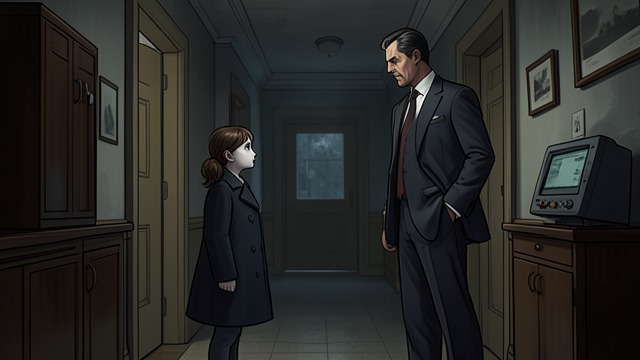
The Count took Nina to his estate that very night. The suddenness of the transfer left no interval for negotiation, preparation, or a meaningful explanation to the child.
An unsettling delay
Instead of marrying her immediately, the Count waited sixteen months. Nina later describes this interval as a decision whose motive she could not understand, underscoring how little control she had over the timing or meaning of the events around her.
The wager’s afterlife
The poker game had ended, but its consequences continued to shape Nina’s identity and relationships. What Uribe had pushed across a table became the framework of her new life at Belsito.
Marriage at Fourteen
Marriage at Fourteen
The Count’s decision
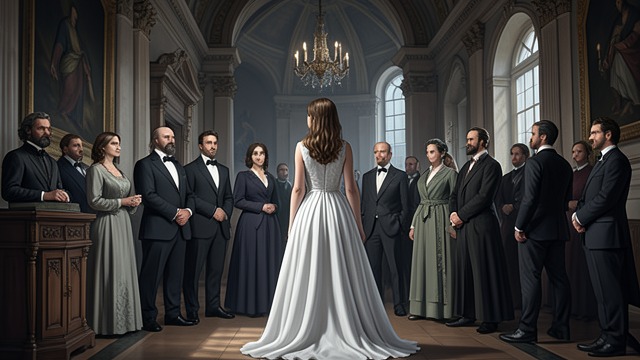
When Nina turned fourteen, the Count married her. She says she bore him three children, describing the outcome plainly while leaving the emotional meaning of the marriage unresolved.
A new name
At Belsito, Nina became Donna Sol, the name the Count gave her. The name marked her incorporation into his household and separated her further from the child called Nina, whose earlier life had been shaped by other people’s decisions.
A story concealed in custom
The marriage allowed the Count to keep Nina rather than carry out the assignment to make her disappear. Yet it did not erase the fact that she had been transferred as a wager and married while still a child; survival and coercion remain entangled in the same arrangement.
The Estate Changes Hands
The Estate Changes Hands
A sudden death
About ten years after the marriage, the Count died in a car accident. Nina was left with their three children, Belsito, and the life she had been made to inhabit there.
A challenge from relatives
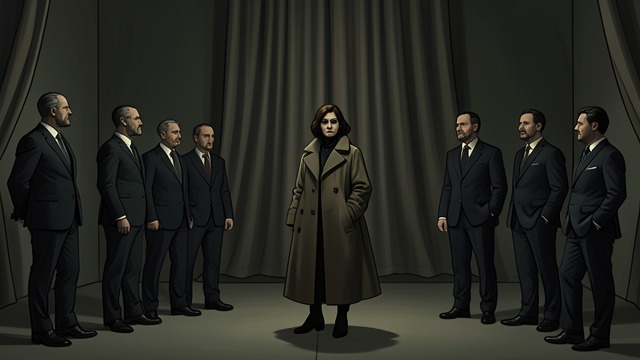
The Count’s relatives disputed her ability to remain in control of the household. They described her as mad and argued that she could not be left alone with the boys, moving the conflict from private family life into court.
The wager’s continuing cost
The estate that had been the Count’s stake in the poker game became the center of a new struggle over Nina’s authority and belonging. Even after the Count’s death, the consequences of the original exchange continued to determine where she could live and who could decide her future.
One winter Friday, before Nina turns fourteen
At the height of the Riviera poker game
The night the poker game ends
Sixteen months after Nina is taken, when she turns fourteen
About a decade after Nina’s marriage
