The game is over
Serious Men“The game is over” is the phrase through which Ayyan Mani recognizes the danger of continuing to manufacture Adi Mani’s public image as a prodigy. First an inward resolve prompted by the excitement and strain of a school quiz, it becomes a rule Ayyan explains to his son before the Institute of Theory and Research summons them to admire the supposed genius. Its significance lies in the reversal it names: the deception is most visible just when its rewards are greatest, and Ayyan chooses to stop rather than push it further.
The phrase at the edge of the quiz
After Adi Mani calls out the wrong name, the quizmaster supplies the correct answer and the auditorium responds with another standing ovation. Ayyan Mani leads his son through the narrow aisle, where the children lift their legs to let them pass. Outside, father and son laugh together. The moment holds both the immediate pleasure of their success and the strain of sustaining it.
When Oja Mani arrives crying and running, then checks herself and hurries down the corridor, Ayyan reflects on how far her life has moved from its beginnings as a waiter’s daughter, her marriage into a humid one-room home, and the discovery that Adi Mani could not hear well in one ear. For that moment, he feels the deception has been worth it. But excitement is joined by fear: he knows he is stretching the limits of the game. The phrase “the game is over” emerges as a decision to stop at the height of the family’s exhilaration, not after the performance has already collapsed.
A private rule becomes a plan
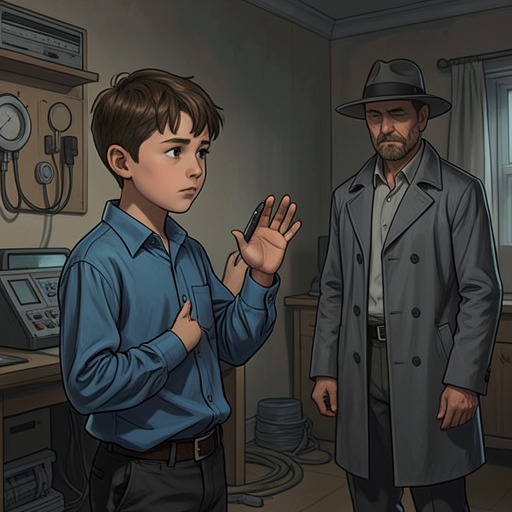
The phrase returns in a more deliberate form the next day. Ayyan Mani stands in the porch of the Institute of Theory and Research, writing the Thought for the Day on a blackboard, while Adi Mani waits near the lifts in his blue half-sleeve shirt, white jeans, and fake Nike shoes. The scientists have summoned Adi after reading the newspaper article; they want to see a Dalit genius for themselves. Ayyan enjoys watching their grand acknowledgement of his son’s supposed brilliance, but he is certain that this will be Adi’s last day as a genius.
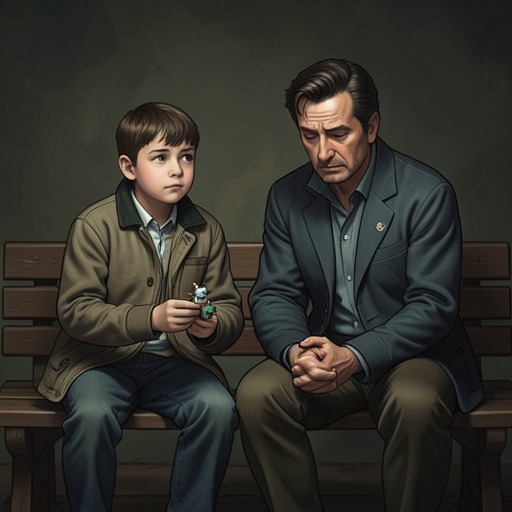
That certainty follows a conversation the previous night on the tar-coated terrace of BDD Chawl. Ayyan told Adi that the game was now over, and Adi nodded, a little sadly, but understood. The idea is no longer only Ayyan’s private unease: he makes his son repeat the rule, turning the phrase into a shared agreement about what must end.
What ending the game means
Ayyan spells out the practical consequences rather than leaving the declaration abstract. Adi will no longer be supplied with clever things to say in the middle of class; quiz questions will not magically land in his lap; and articles about him will not appear in newspapers. Each element of the invented persona is withdrawn, including the staged schoolroom displays and the press attention that has carried the claim beyond the family.
The phrase therefore marks a boundary as well as an ending. Ayyan has seen Oja’s pride and the scientists’ admiration, and he knows how gratifying the performance can be; he also recognizes that he has taken the deception as far as he can. Adi’s slightly sad but accepting response gives the decision a cost without undoing it. At the Institute, the boy still stands among people eager to see the genius, but Ayyan has already decided that this public encounter will be the last. The repeated declaration closes the game at the point when its acclaim is still intact.