
Love as Forgiveness
ShantaramThis thread traces how love begins as a startling recognition, becomes a source of vulnerability and pain, and ultimately survives through forgiveness rather than possession.
increasing Bearing strength in each event
 decreasing
Bearing strength in each eventdecreasingA Choice Under Torture
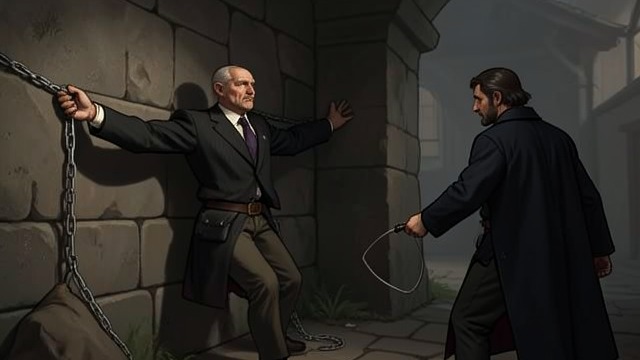
Freedom in the Cell
The first moral choice
At the novel’s opening, Lin remembers being chained to a wall and tortured. Even in helplessness, he understands that he retains one freedom: he can hate the men hurting him, or forgive them.
A life shaped by the choice
The insight does not erase injury or excuse cruelty. Instead, it gives the novel its moral premise: a person cannot always choose what happens, but can struggle to choose what the experience makes of him. Lin’s later relationships repeatedly test that distinction.
Love Without Wisdom

Recognition and Risk
The encounter
Karla saves Lin from stepping in front of a bus. Their brief exchange and her invitation to find her at Leopold’s immediately become, in his mind, more than a meeting between strangers.
A warning inside the romance
Lin interprets his attraction through stories of destined, karmic love, even while acknowledging that such love may belong to only one person. The episode establishes a tension that follows him: love can feel like truth while remaining uncertain, unreturned, or dangerous.
The Offer to Love
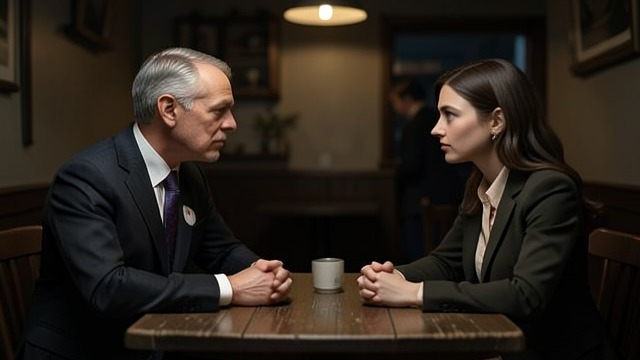
The Language of Love
Ideas as self-protection
Karla argues that love is the opposite of power and that people fear it. Lin listens closely but hides how strongly he is already drawn to her, protecting himself with silence and the belief that he can remain emotionally untouched.
Feeling exceeds control
Their conversations make desire intellectually legible without making it safe. Lin recognizes that Karla’s guardedness resembles his own, yet he cannot know whether that resemblance offers intimacy or simply another reason they might hurt each other.
Love in the Cholera Ward
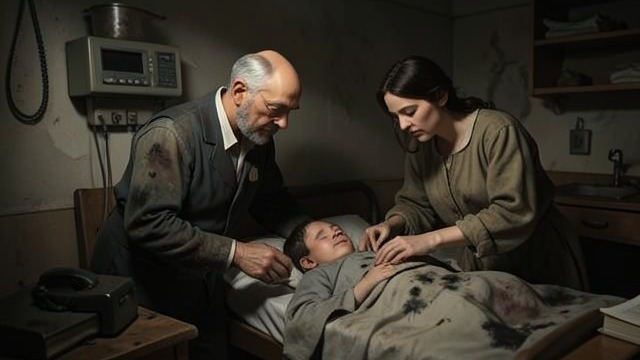
Care Made Visible
A shared burden
When disease spreads through the slum, Karla comes to help Lin care for the sick. They endure exhaustion, fear, and degrading work together, and Lin sees her compassion expressed through sustained action rather than romantic declaration.
Intimacy without possession
Karla eventually shares painful parts of her past, but still asks Lin to keep them private. He treats her suffering as a gift of trust, not a claim of ownership. Their closeness deepens, while the limits she places on it remain real.
Forgiveness After Separation

Release Without Reunion
The truth disclosed
After years of silence and separation, Karla tells Lin that fear, loyalty, and emotional numbness shaped her decisions. She acknowledges that she could not trust him with what she knew and explains why she kept parts of her life hidden.
Love without a claim
Lin tells her that he forgives her and still loves her, but the exchange does not promise that they will become a couple. Forgiveness frees him from demanding that she repair his past; love remains, but it no longer requires possession or a guaranteed happy ending.
At the opening, before Lin reaches Bombay
On Lin’s first day in Bombay, at the paan stall
During the first months of Lin and Karla’s friendship
During the cholera outbreak in the Cuffe Parade slum
Near the ending, after Lin and Karla meet again in Bombay
