
Suffering, Loss, and Human Solidarity
ShantaramThis thread explores how suffering is shaped by deprivation and loss, and how shared hardship can reveal solidarity without making pain itself virtuous or just.
increasing Bearing strength in each event
 decreasing
Bearing strength in each eventdecreasingThe Slum Comes into View
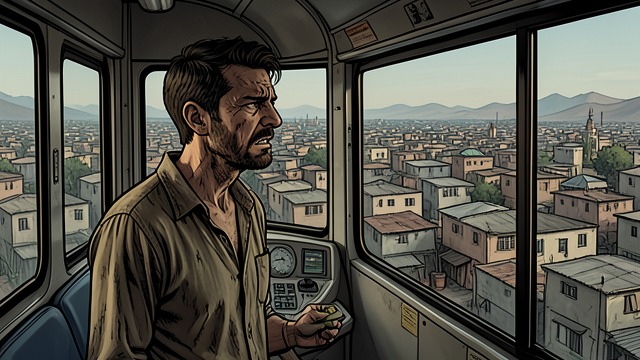
Wealth Beside Poverty
A first encounter with deprivation
From the bus, Lin sees the sprawling slums and first responds with shame and anger at the injustice surrounding him. He then notices the residents’ work, cleanliness, beauty, and moments of ordinary happiness.
Observation replaces abstraction
The change does not make poverty acceptable or erase its causes. It makes the people who live there visible as individuals rather than as a single image of misery, beginning Lin’s movement from distant judgment toward involvement.
The Slaves at the Market
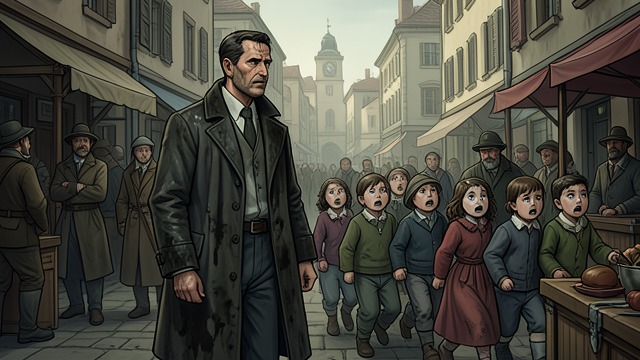
Seeing Children Sold
A market built from disaster
Lin visits a place where children displaced by famine, disease, and conflict are bought and sold. Their vulnerability confronts him with suffering that he cannot stop without knowing more about its causes or consequences.
Helplessness and knowledge
Lin’s uncertainty is painful, but it also prevents him from assuming that a dramatic intervention would necessarily help. The episode develops a central moral problem: refusing to act can leave injustice untouched, while acting without understanding may shift the harm elsewhere.
The Prison as a System
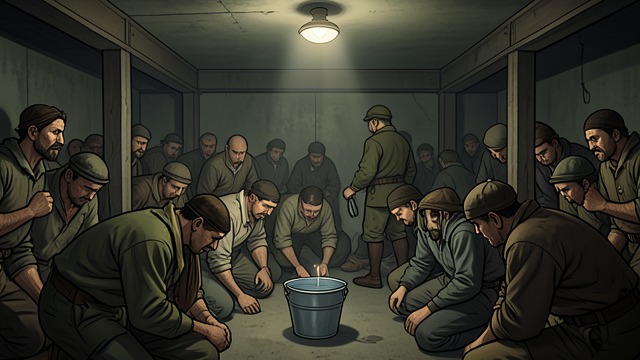
Suffering Made Routine
An institution of deprivation
In the Colaba lock-up and later Arthur Road Prison, Lin encounters overcrowding, hunger, disease, beatings, and humiliation. Suffering is not an exceptional accident there; it is produced and maintained by the organization of the prison itself.
What deprivation teaches
Lin sees prisoners struggle over food, water, space, and safety, while a hierarchy allows some to profit from others’ weakness. The experience reinforces his sense that suffering is measured not only in pain, but in the loss of dignity, hope, and control.
A Shared Water Supply
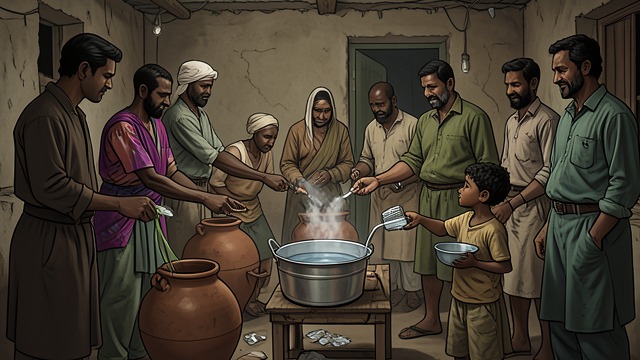
The Crisis of Water
A fragile resource
A cholera outbreak turns contaminated water into an immediate threat across the slum. Residents and volunteers organize purification, rehydration, food preparation, and care with insufficient supplies and too few hospital beds.
Collective action under limits
The community does not defeat every loss: nine people die, including children. Its work nevertheless gives the sick a better chance and sustains cooperation under pressure, showing solidarity as practical labor rather than an abstract virtue.
The Wound of Survival
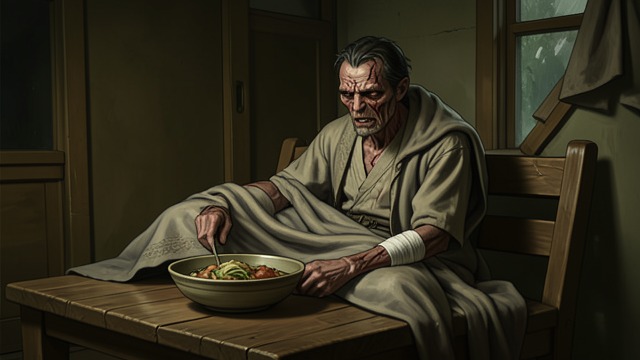
Living After Torture
The body remembers
After Vikram secures Lin’s release, he finds himself emaciated, scarred, infected, and haunted by hunger and the prison’s punishments. Recovery requires food, shelter, treatment, and a long effort to restore strength.
Survival is not a clean victory
Lin leaves the slum to recover, but shame about his absence and about the cholera deaths remains with him. Survival offers another chance to act; it does not erase the people he lost or the moral debts he believes he carries.
During Lin’s first journey from the airport into Bombay
During Prabaker’s dark tour of Bombay
During Lin’s detention at Arthur Road Prison
During the cholera outbreak in the Cuffe Parade slum
During Lin’s recovery after release from Arthur Road Prison
