
Good and Evil in a Compromised World
ShantaramThis thread follows the novel’s search for moral standards through characters who commit harm, offer care, and confront the danger of doing wrong for ostensibly good reasons.
increasing Bearing strength in each event
 decreasing
Bearing strength in each eventdecreasingRules in a Criminal City
Law, Bribery, and Daily Life
A city of negotiated boundaries
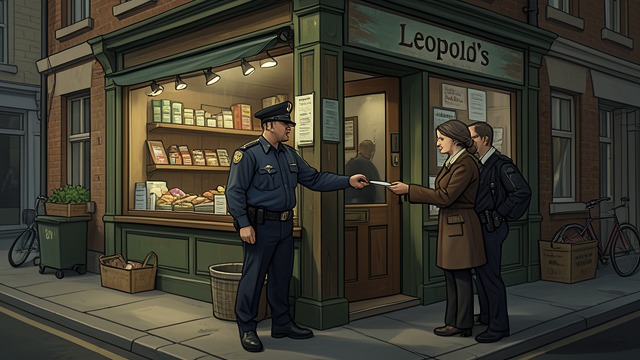
At Leopold’s, legal and illegal commerce operate beside one another under informal rules. Police overlook certain businesses, bribes help keep venues open, and customers and sellers step outside to complete deals.
Function is not innocence
Lin sees that the system works for many of its participants, but that practical success does not make it just. The city complicates easy distinctions between legality and morality by showing how corruption can be openly accepted and still distribute power unequally.
The Community Punishes Joseph

Punishment with a Purpose
A public reckoning
After Joseph violently beats Maria, the community restrains him and imposes a public punishment under Qasim Ali Hussein’s direction. Joseph’s neighbours make him confront the harm he has caused rather than allowing the assault to disappear as a private dispute.
Justice seeks repair
The punishment is followed by care: Maria is treated, Joseph is cleaned and fed, and he is given terms for making amends. The episode presents justice as accountability joined to the possibility of forgiveness, while leaving open the risk that communal power can itself become excessive.
Good Deeds and Hidden Motives
The Mixed Sources of Goodness
A useful clinic
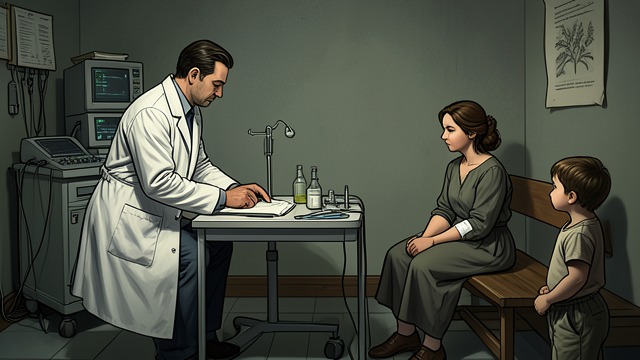
Lin treats the sick and injured in the slum, and his work grows into a valued community service. His training and supplies let him help people who might otherwise struggle to reach formal medical care.
Service is not self-purification
Lin later recognizes that his good work can coexist with pride, loneliness, and a desire to belong. The novel does not dismiss the value of the clinic, but asks readers to examine the motives and consequences that accompany an apparently virtuous act.
The Price of the Sapna Plan

A Strategy Becomes Violence
A manufactured threat
The Sapna campaign begins as a plan to create a common enemy and secure cooperation from police and politicians. Under Abdul Ghani’s control, intimidation and propaganda develop into real killings, including the murder of Madjid.
Ends do not erase means
The operation produces leverage, but its violence destroys trust and gives Ghani a means to pursue his own power. The thread exposes how a plan justified as useful or necessary can become an independent source of harm, especially when its makers stop acknowledging responsibility.
Anand Accepts Punishment

A Chosen Consequence
The confession
Anand Rao kills Rasheed after learning of the kidney-selling scam that exploited two women. He confesses and accepts imprisonment rather than permitting Lin and Kavita to build a campaign that might reduce his sentence.
Responsibility without self-excuse
Anand regards the punishment as part of the meaning of what he did. Lin struggles to accept that choice because he wants to protect a friend, yet he honours Anand’s request. Their disagreement deepens the novel’s question of whether accountability can be a form of integrity rather than simply suffering imposed from outside.
During Lin’s early nights at Leopold’s
After Joseph beats Maria in the Cuffe Parade slum
After Lin begins work in the slum clinic
From the first Sapna posters to Madjid’s murder
After the gang war, during Lin’s return from Afghanistan
