
Harvey Weinstein’s Legal and Public Relations Campaign
She SaidThis flow traces the escalating effort to discredit accusers, gather intelligence, and prevent publication.
increasing Bearing strength in each event
 decreasing
Bearing strength in each eventdecreasingEarly Media Pressure

Early Media Pressure
Influence and access
Weinstein challenged coverage that threatened his business interests, including reporting related to a production and a police investigation. He used direct calls and prominent intermediaries to press editors.
A demonstrated willingness
Those encounters suggested that an investigation into his conduct would face more than ordinary denials. The reporters’ editors warned them to anticipate surveillance, pressure, and attempts to control access to information.
The McGowan Threat
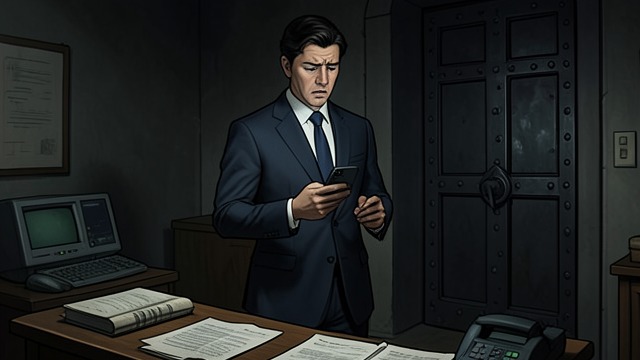
The McGowan Threat
Monitoring a possible story
After Rose McGowan’s public hints and earlier reporting efforts, Weinstein’s team sought information about what she might reveal. Investigators collected material about her and her memoir.
Turning defense into attack
Rather than simply preparing a response, the campaign aimed to portray McGowan as unreliable. The tactic foreshadowed a broader attempt to undermine people who might speak.
Black Cube Enters

Black Cube Enters
Paid intelligence work
Weinstein hired Black Cube through an arrangement involving David Boies’s firm. The company used false identities and operators who posed as potential sources or journalists.
A specific objective
A revised contract described an effort to stop a negative article in a leading New York newspaper. The investigation was now facing organized deception, not merely a public relations response.
A Feminist Disguise
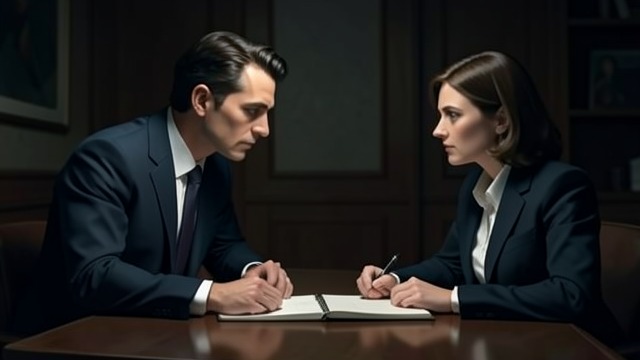
A Feminist Disguise
False access
An operative posing as an investor interested in women’s issues contacted both Rose McGowan and Jodi Kantor. She sought information while presenting herself as an ally.
The reporters remain unaware
Kantor rejected the proposed collaboration as irrelevant to her reporting. She did not know the approach was connected to Weinstein’s campaign, illustrating how deception could exploit the very language of solidarity.
Pressure at Publication

Pressure at Publication
Legal threats and source hunting
As the article neared publication, Weinstein’s lawyers demanded time and threatened suit. Weinstein repeatedly asked which women were on the record and focused on Gwyneth Paltrow, who was not included.
The campaign fails to stop the story
He offered an ambush meeting with damaging material about accusers and sought employee declarations praising the company. The New York Times published anyway, and the campaign became part of the later record.
2014 to 2015
Late 2016
October 2016 to July 2017
Summer 2017
October 2017
