
Jodi Kantor and Megan Twohey’s Reporting Partnership
She SaidThis flow follows two reporters as separate strengths become a collaborative investigation sustained by shared judgment and risk.
increasing Bearing strength in each event
 decreasing
Bearing strength in each eventdecreasingKantor Starts Alone

Kantor Starts Alone
An uncertain inquiry
Jodi Kantor began with Rose McGowan’s refusal and little access to Hollywood. She had a possible lead, but no confirmed group of sources and no guarantee that a story existed.
The work of trust
Kantor’s careful reply persuaded McGowan to speak privately. The early exchange established a method: respect a source’s caution while making clear that the reporting would be serious.
Twohey Brings Experience
Twohey Brings Experience
A return from leave
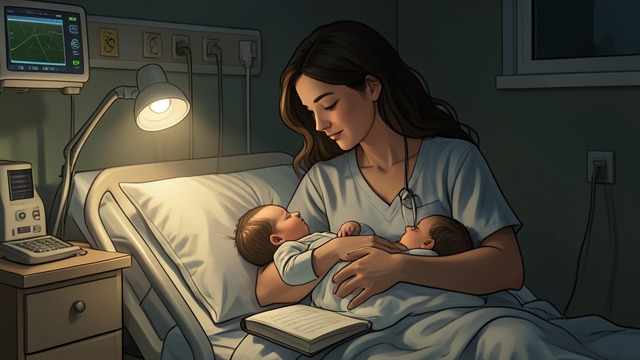
Megan Twohey was caring for a newborn when Kantor asked for help. Her earlier reporting on sexual misconduct had taught her how difficult and consequential it was to earn victims’ trust.
A useful first sentence
Twohey suggested that reporters explain how a source’s experience might help protect others. That direct appeal gave Kantor a clearer way to describe the purpose of the investigation.
Shared Reporting Begins

Shared Reporting Begins
Different instincts
Twohey initially questioned whether famous actresses should be the center of an investigation and whether some reported conduct could be proved as harassment. Kantor argued that professional power could make even celebrated women vulnerable.
A joined effort
Twohey came to Kantor’s desk and began reporting. Their disagreement refined the inquiry: the article would need both rigorous proof and an account of how status could be used coercively.
The Cost of Shared Responsibility
The Cost of Shared Responsibility
Sources at risk
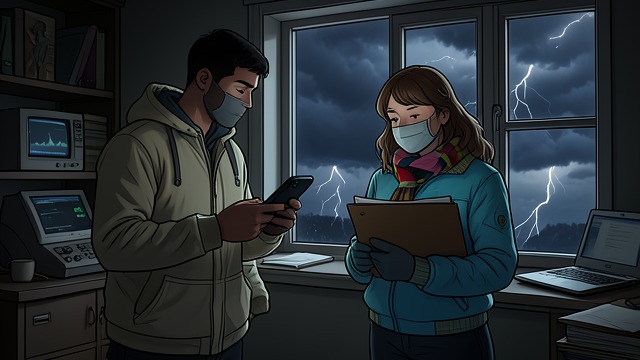
As publication approached, the reporters warned women that Weinstein would be given the details of the allegations. They had to balance fairness to the subject with their responsibility to protect sources from retaliation.
Holding the line together
Legal threats, leaks, and frantic deadlines tested the partnership. They checked one another’s judgments and continued revising the story instead of allowing pressure to dictate its claims.
A Continuing Partnership

A Continuing Partnership
Beyond the first article
The reporters followed the social consequences of the Weinstein investigation and later reconstructed Christine Blasey Ford’s path to her Senate testimony. Their work moved between individual experience and institutions shaping what could be said.
A shared record
They wrote the book as a collaboration, choosing third-person narration because the reporting had unfolded along separate but connected threads. Their partnership became part of the story’s account of how investigative journalism works.
May 2017
June 2017
July 2017
September to October 2017
2018 to 2019
