
The Laws and Agencies Behind the Silence
She SaidThis flow examines the legal and administrative systems that were meant to address harassment but often left workers without a visible or effective remedy.
increasing Bearing strength in each event
 decreasing
Bearing strength in each eventdecreasingA Complaint Disappears

A Complaint Disappears
An agency record surfaces
Megan Twohey obtained a California record showing a sexual-harassment complaint against Miramax that had closed on the day it was filed. The public record revealed almost nothing about the complainant or allegation.
Information destroyed
The agency said the underlying file had been destroyed under its retention policy. The reporter could not reconstruct the case through official records alone.
A Dead-End Search

A Dead-End Search
The investigator remembers little
Twohey located the retired investigator assigned to the Miramax complaint. The woman did not remember the case and asked what Miramax was.
Bureaucracy limits accountability
The agency’s records had vanished before reporters could identify the complainant or learn what happened. A public system intended to enforce rights had preserved too little to answer basic questions years later.
Legal Remedies Are Narrow
Legal Remedies Are Narrow
Difficult litigation
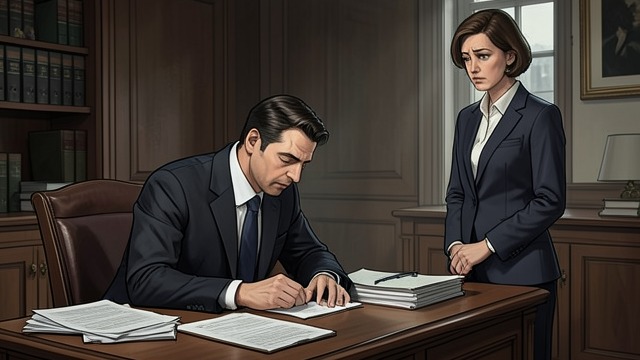
Lawyers explained that harassment cases could involve short filing deadlines, limited damages, and categories of workers excluded from federal protections. Court action could be expensive and emotionally punishing.
Settlements seem safer
For many clients, a private agreement offered faster money and privacy. Yet confidentiality could prevent future employees from learning about prior complaints.
Agency Secrecy

Agency Secrecy
Limited public information
The Equal Employment Opportunity Commission often settled claims confidentially and could not publish company records in a way that would help job seekers assess an employer’s history.
A public-resource paradox
Government agencies could collect information with public resources while leaving much of it inaccessible. The result was a system in which patterns could remain invisible to workers and the public.
Rights Need Real Access

Rights Need Real Access
The gap persists
Workers such as Kim Lawson still asked whom they could contact and what process to follow. Written policies did not necessarily reach the people who needed them most.
Reform remains unfinished
The book connects legal deadlines, confidentiality, weak enforcement, and retaliation fears. It argues that rights matter only when workers can use them without losing the means to support themselves.
September 2001
July 2017
Summer 2017
2017
2018 to 2019
