Variety
She SaidVariety’s coverage of the impending New York Times investigation helped expose the reporters’ work to public view at a moment when they needed to protect its secrecy. The publication carried Weinstein’s denial that he knew of the planned story; to the reporters, that denial sharpened the contrast between his public account and the campaign they had already seen directed against their reporting.
Reporting on the Coming Investigation
Variety published an account similar to one in The Hollywood Reporter, which described Weinstein’s enlistment of attorneys and crisis managers and their efforts against a planned New York Times story about his personal behavior. The reports contained few details, but Variety’s article also mentioned The New Yorker’s efforts. Weinstein told Variety, “I’ve not been aware of this,” and added, “I don’t know what you’re talking about, honestly.” He also said, “The story sounds so good I want to buy the movie rights.”
The Denial and Its Significance
The denial did not reassure the reporters. They had already undertaken background checks of Ambra Battilana Gutierrez and Ashley Judd, and the meeting that day had revealed further tactics Weinstein and his allies were prepared to use. Against that context, Weinstein’s claim not to know about the upcoming story read to them as a flat-out lie. Variety’s report thus mattered not only for what it disclosed about the behind-the-scenes battle, but also for the discrepancy between Weinstein’s public statements and the reporters’ experience of the pressure surrounding their work.
Exposure and Its Consequences
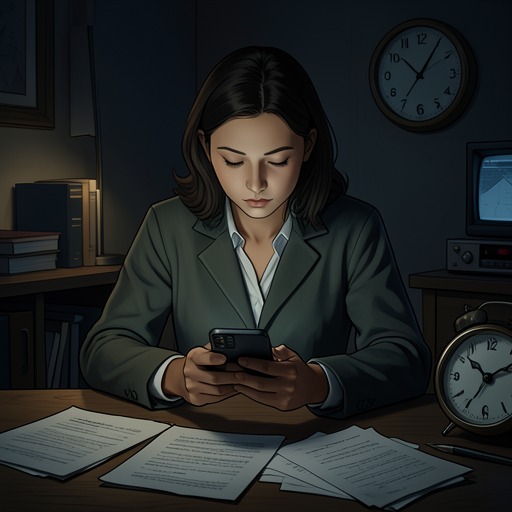
The trade-publication stories put Jodi Kantor and Megan Twohey on public display. The reporters anticipated that people would begin guessing which sources had spoken to them, making sources nervous and exposing the project to competitors. The timing was especially difficult: the team needed tight control while the article was still being revised. Dean Baquet called the situation bad in an email, and messages from people who had seen the reports began filling the reporters’ phones and inboxes. Kantor and Twohey barely responded; they remained absorbed in the article, reworking its lead, addressing problem areas, and following David McCraw’s instructions for further refinement. In this account, Variety’s publication marks the moment a concealed investigation became visible before its authors were ready to let it go public.