
Seeing Fatness as a Public Condition
Shrill: Notes from a Loud WomanThis flow traces the book’s argument that fat stigma is produced through representation, everyday treatment, and institutions rather than individual bodies alone.
increasing Bearing strength in each event
 decreasing
Bearing strength in each eventdecreasingThe Missing Role Models
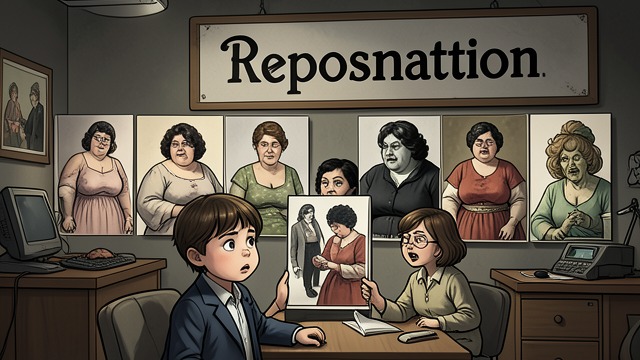
A Narrow Screen
Comic and Monstrous Roles
The fat female figures Lindy remembers are largely maternal, grotesque, or comic. Even figures who seem bold often have their sexuality turned into a joke or a threat.
An Inherited Limit
The shortage of varied images teaches a child what futures seem possible. Representation matters because absence can work as a quiet instruction to stay out of view.
Shame as Social Discipline
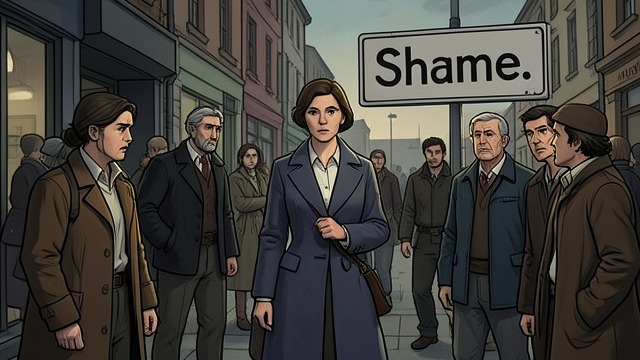
A Body Treated as a Moral Failure
Public Correction
Strangers offer weight-loss advice and present health concerns as permission to scold Lindy. Such encounters treat her body as a public problem rather than as her own.
The Life Made Smaller
Fear of chairs, clothes, restaurants, and activities limits what Lindy attempts. The restriction is not merely emotional: it changes where she goes and which experiences she allows herself.
The Dieting Contradiction
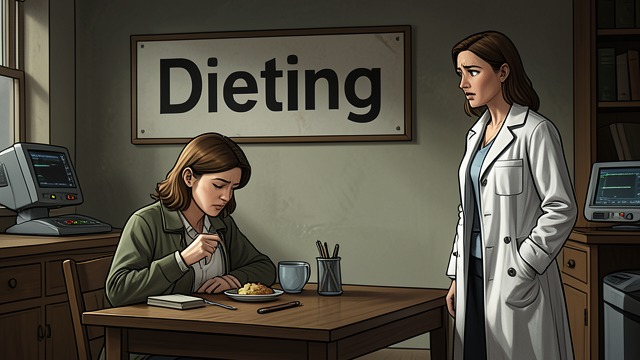
Expertise Without Rescue
Programs and Rules
Lindy learns detailed nutrition advice and follows restrictive plans, yet the prescribed way of eating leaves little room for pleasure or ordinary life. Repeated instruction does not produce the promised transformation.
Moral Judgment
The story questions why people are treated as failures when diets do not last. Calling health a moral test disguises the economic and cultural systems that profit from repeated attempts to fix fatness.
Representation Reopens Possibility
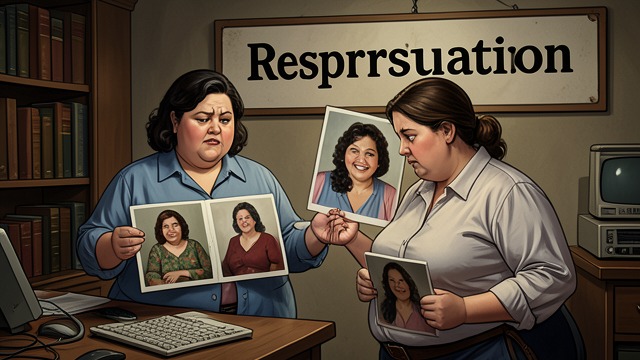
Fat Women on Their Own Terms
Looking at Photographs
The Full Body Project shows fat women with dignity and pleasure rather than ridicule. Lindy’s first discomfort gives way to familiarity as she continues looking.
From Shame to Pride
The images make it possible for her to imagine that her body is not a secret. Representation changes her sense of what fatness can mean, even though it does not end the external stigma she faces.
A Public Alternative to Shame
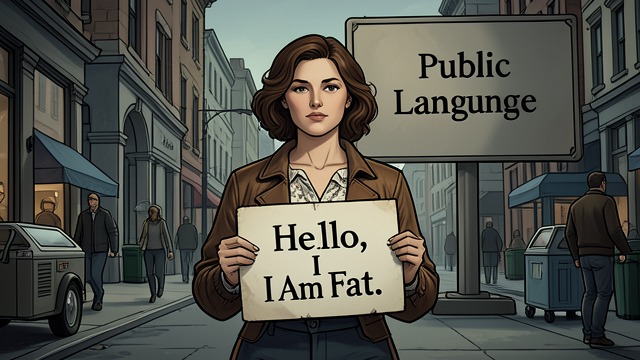
The Body as Hers
Speaking Clearly
In “Hello, I Am Fat,” Lindy rejects the assumption that a fat person must justify her body’s health, attractiveness, or usefulness before deserving respect. The statement makes self-definition public.
A Cultural Shift
She argues that fat people’s humanity should not depend on whether observers find them attractive or healthy. Small changes in public language demonstrate that norms can be challenged rather than accepted as fixed.
Lindy’s childhood
adolescence and young adulthood
early adulthood
early adulthood, before 2011
2011 and after
