
The Public Argument Over Rape Jokes
Shrill: Notes from a Loud WomanThis flow follows Lindy West’s evolving argument that comedy can address violence without reproducing the conditions that silence its targets.
increasing Bearing strength in each event
 decreasing
Bearing strength in each eventdecreasingA Fan Who Wants Comedy to Matter

Loving the Form
A Lifelong Attachment
Lindy loves comedy as an art that can tell the truth and make people feel less alone. Her later criticism comes from investment in the medium, not indifference to it.
A Cost of Entry
She has long sat through jokes about rape and women to remain part of the audience. She assumes that inclusion requires accepting the rules set by comedians she admires.
A Friend’s Experience of Herpes
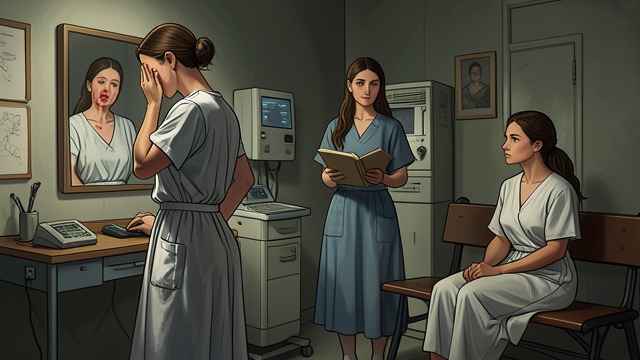
Stigma Becomes Personal
A Friend in Pain
A friend is sexually violated and contracts herpes, then fears the stigma will make her unlovable. Lindy comforts her by describing herpes as a skin condition rather than a moral verdict.
A Joke Revisited
At a comedy show, a joke about herpes suddenly feels less like harmless material. Lindy imagines audience members concealing their own shame while laughing along.
A Heckler Is Threatened
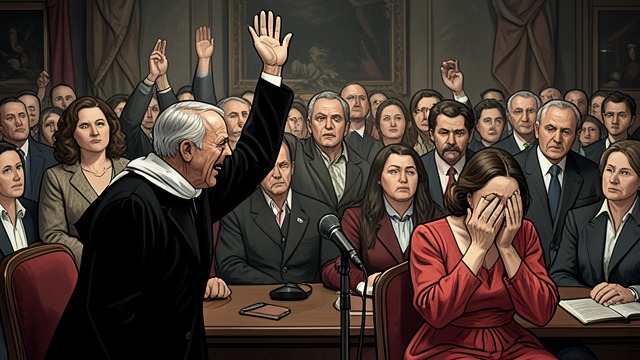
The Laugh Factory Incident
A Direct Threat
When an audience member objects to rape jokes, Daniel Tosh imagines her being gang-raped in the room. The scenario makes the threat against a woman’s body part of the performance itself.
Lindy’s Response
Lindy writes that the question is not whether difficult subjects may be joked about, but whether the joke attacks perpetrators or people already harmed. Her argument seeks to preserve comedy while changing its target.
Evidence from Steubenville
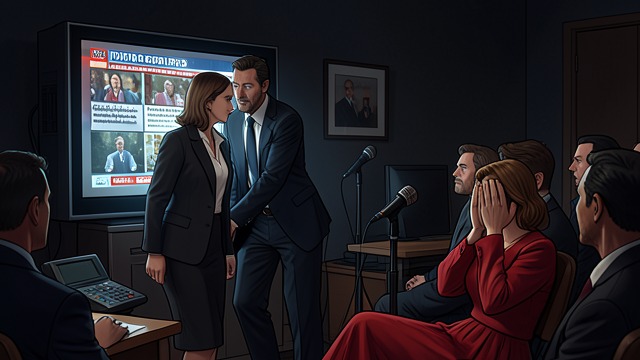
Humor in a Real Culture
A Case in the News
The Steubenville rape case brings public jokes, social-media celebration, and institutional failures into view. Lindy sees the gap between a comic’s claim that everyone condemns rape and a culture that can blame victims and protect popular boys.
Context Matters
She argues that the debate cannot be separated from the difficulty of reporting assault and the tendency to excuse perpetrators. Comedy does not cause every injustice, but it can validate existing indifference.
A Debate That Leaves a Mark
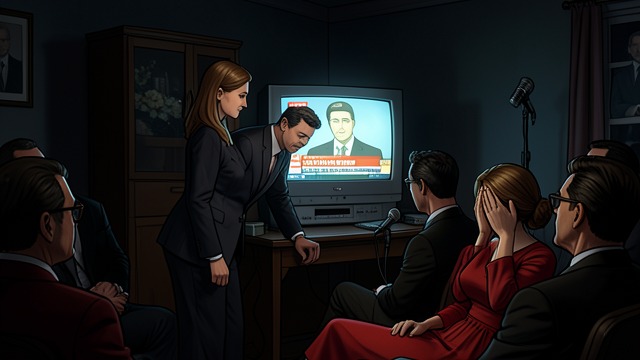
Disagreement and Consequence
Competing Accounts
On television, Jim Norton argues that people can distinguish performance from hostility. Lindy argues that jokes circulate in a world where women already face violence and disbelief.
A Lasting Cost
The debate and its aftermath bring her both public support and extensive threats. Lindy sees signs that comedians and audiences become more cautious, while her own relationship with stand-up is damaged.
before 2012
around 2010
2012
during the 2013 debate
summer 2013 and afterward
