
From Smallness to a Public Voice
Shrill: Notes from a Loud WomanThis flow traces Lindy West’s movement from hiding her body and opinions toward claiming public space and using her voice.
increasing Bearing strength in each event
 decreasing
Bearing strength in each eventdecreasingThe Unanswerable Future
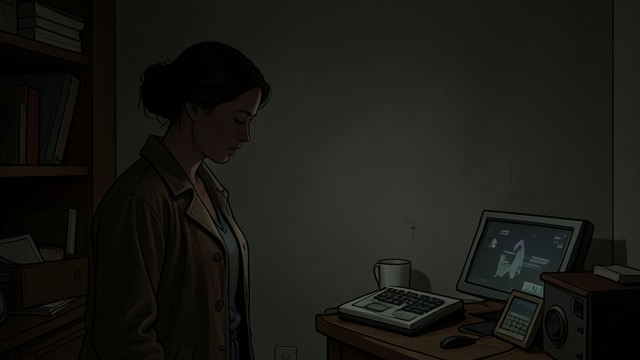
A Future Without a Shape
The Question
Adults ask Lindy what she wants to become, but the question exposes a more urgent uncertainty: she cannot imagine what a person like her is allowed to be.
Missing Images
Popular culture gives her few fat girls who are funny, capable, or desirable. The empty future is not a lack of imagination alone; it reflects the narrow roles she sees around her.
Learning to Disappear

Making Herself Smaller
Protection
Lindy becomes quiet in public, retreats into stories, and avoids situations where her body might attract notice. Social smallness offers some protection in a world that judges her physical size.
The Cost
Dieting, hiding, and declining ordinary activities constrict her life. Her imagined defect is reinforced by the daily work of avoiding exposure.
Seeing Fat Women
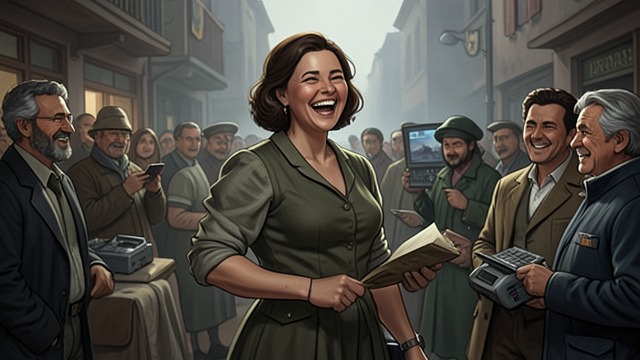
A Different Image
First Encounter
Leonard Nimoy’s portraits show fat women laughing and occupying space without being presented as jokes. Lindy initially recoils, having been trained to treat bodies like hers as private embarrassments.
A Changed Gaze
Repeated exposure makes those bodies familiar, then beautiful. Representation begins to undo the assumption that her body must be hidden before her life can begin.
Naming Herself Fat

A Public Claim
The Post
After years of absorbing public contempt, Lindy publishes “Hello, I Am Fat,” identifies her body without apology, and rejects shame as a tool of change.
The Consequence
Her declaration makes private self-recognition public and gives readers language for their own boundaries. The post transforms visibility from a risk she avoids into an action she chooses.
Building a Larger Life
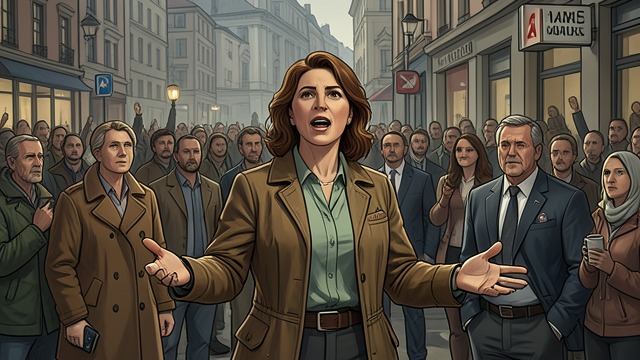
Visible on Her Terms
From Survival to Work
Lindy turns her public voice toward harassment, comedy, reproductive rights, and fat people’s humanity. Visibility brings both influence and sustained abuse.
A Chosen Future
She ends by understanding refusal, kindness, and advocacy as forms of world-building. The child who could not picture a future now helps make one more spacious for others.
early childhood
childhood and adolescence
early adulthood
February 2011
the book’s later years
