
Comedy as a Social Force
Shrill: Notes from a Loud WomanThis flow develops the book’s argument that comedy is neither neutral nor sealed off from social power, and that critique can be part of artistic freedom.
increasing Bearing strength in each event
 decreasing
Bearing strength in each eventdecreasingJokes as Connection
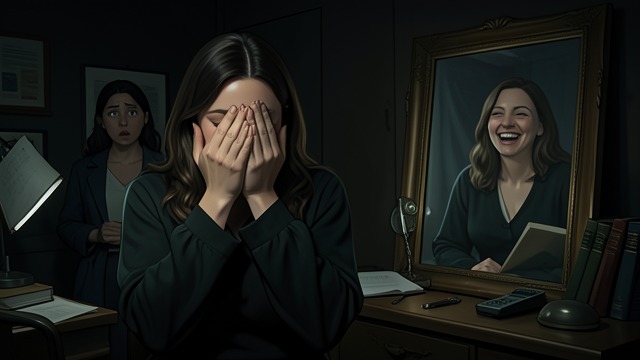
Humor Makes Company
A Response in the Body
Comedy makes Lindy feel less alone because laughter is a physical response shared with a performer. It offers connection to a child who often feels awkward and exposed.
More Than Escape
She also understands comedy as a way of speaking truth. The form she loves will later become the subject of difficult arguments about whom it includes and whom it diminishes.
A Stigma Joke Revisited
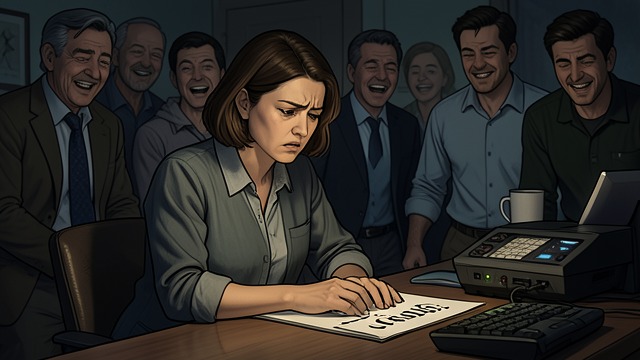
Who Pays for the Laugh
A Herpes Punchline
A joke about herpes makes Lindy consider an audience that may include people living with the condition. They may laugh to avoid revealing themselves, while others take the joke as permission to judge.
Comedy’s Choices
The moment leads Lindy to ask whether a cheap laugh is worth strengthening a stigma that makes people’s lives harder. The audience’s pleasure is not the only measure of a joke’s consequence.
Punching Up and Down
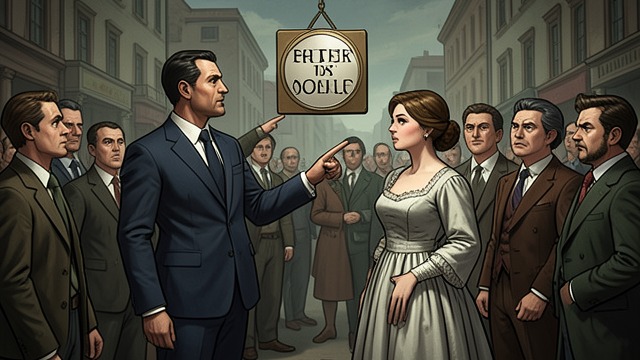
Power Shapes the Target
A Comic Principle
Lindy uses the distinction between mocking powerful people and ridiculing those harmed by systems. The point is not a rigid rule for every joke but a reminder to ask who has the power to define the target.
A Question of Responsibility
The framework challenges claims that equal-opportunity offense treats everyone equally. People do not enter a joke with equal social power or equal protection from its consequences.
Speech Is Not Censorship
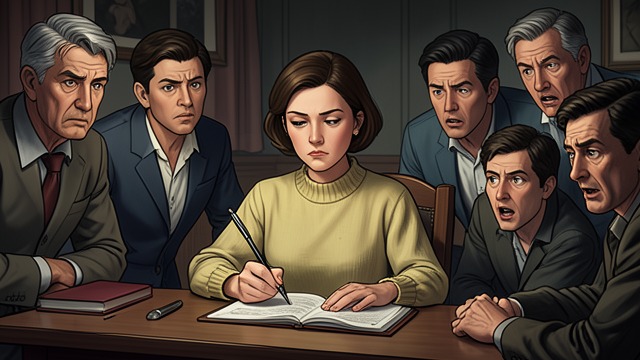
Criticism as Participation
The Free-Speech Detour
Lindy rejects the idea that criticizing comedians is the same as legally censoring them. Audiences and writers may object, withdraw support, or argue about what a joke does.
Accountability and Art
She sees social consequences as part of public life, not as proof that speech has been prohibited. A comedian remains free to speak, and listeners remain free to describe the harm they hear.
An Art Form Under Change
Small Shifts in the Room
More Caution
Lindy notices comedians becoming more careful about rape jokes and audiences becoming more willing to respond with discomfort. The change is gradual and contested rather than decisive.
A Love That Hurts
She is proud of the cultural shift but can no longer enjoy stand-up without anxiety. The work of making an art form more inclusive can cost the critic some of the joy that first drew her to it.
Lindy’s childhood
around 2010
2012
during the Jim Norton debate
after the controversy
