
Comedy and the Cost of Belonging
Shrill: Notes from a Loud WomanThis flow follows Lindy West’s movement from comedy fan to critic of an industry whose conventions make belonging conditional for women.
increasing Bearing strength in each event
 decreasing
Bearing strength in each eventdecreasingComedy as Shelter
Feeling Less Alone
A Private Companion
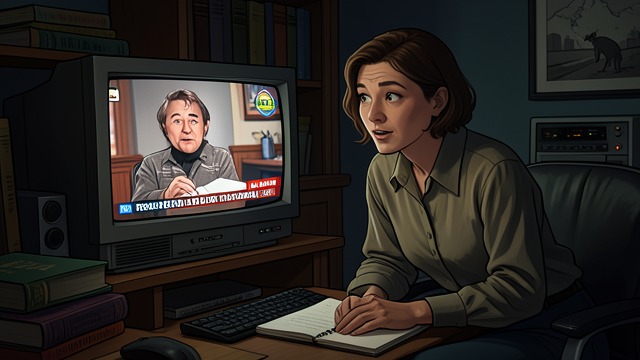
Lindy turns to taped television, films, and comedy as places where she can inhabit different selves. Humor offers connection without requiring her to risk immediate judgment.
A Possible Calling
She imagines the writers’ room as a place where friends build funny worlds together. At first, this dream remains separate from her belief that she could ever belong in it.
A Seattle Comedy Community
Joining the Scene
Audience and Participant
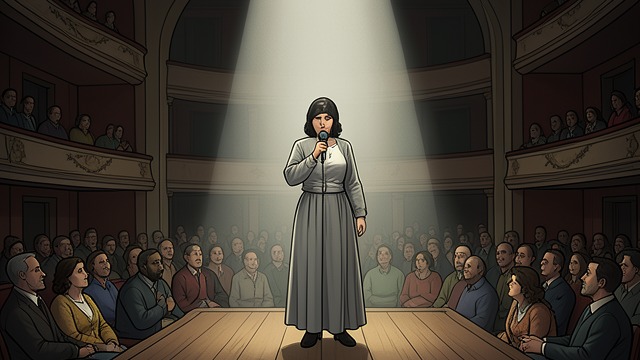
Lindy attends local shows, performs occasionally, and hosts live storytelling. She enjoys the creative community even as she recognizes that stand-up itself is not her preferred form.
A Belonging with Terms
The scene offers friendship and shared humor, but jokes about stigmatized people can make audience members conceal their own experiences to stay included.
The Herpes Joke

A Joke Reconsidered
Seeing the Audience
A joke that makes people with herpes its punchline strikes Lindy differently because a friend has recently endured both an STI and a violation of trust. The laughter now carries a visible social cost.
Speaking to a Friend
Lindy tells a fellow comic that audience members may have herpes and be forced to laugh along. The exchange shifts her from private discomfort toward questioning comedy’s shared rules.
Taking on Rape Jokes

A Critic Within the Club
The Public Incident
After Daniel Tosh threatens a heckler with a gang-rape scenario, Lindy writes about how rape jokes can target victims rather than rape culture. She argues that humor is a choice, not an exemption from scrutiny.
A New Standard
The essay insists that comedy can challenge cruelty instead of reinforcing it. Lindy writes as a lifelong fan who wants the art form to be accessible beyond the people it has traditionally centered.
Losing an Uncomplicated Joy

The Personal Cost
Work and Identity
Lindy’s arguments gain attention, but sustained hostility makes watching stand-up feel frightening. The art that once offered refuge becomes linked to public punishment.
An Ambivalent Victory
She sees small changes in how comedians and audiences discuss rape jokes, yet grieves that some people now define her as humorless. Progress does not restore the uncomplicated pleasure she lost.
childhood
late 2000s
2010, at Bridgetown
2012
after the televised debate
