
The Psychology of Crowds
ShrineThis flow traces how collective expectation can create solidarity, transmit emotion, and turn a pilgrimage into a source of danger.
increasing Bearing strength in each event
 decreasing
Bearing strength in each eventdecreasingChildren Follow Alice
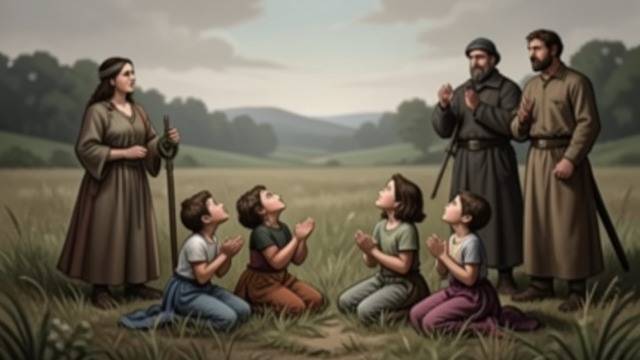
A Small Crowd Moves
Shared attention
Children leave Mass and follow Alice into the field. Some smile, kneel, or pray, while adults struggle to understand why they have left their families.
A first theory
Fenn interprets the behavior as a hypnotic or hysterical state spreading from Alice. The episode introduces collective response as an alternative to a literal apparition.
The Pilgrimage Mood
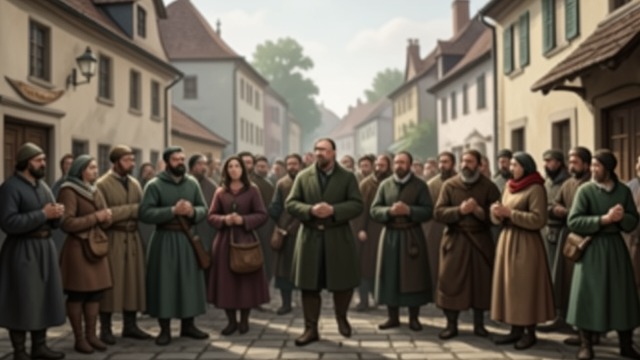
Hope Travels Through the Crowd
A shared atmosphere
Visitors report peace, joy, and renewed faith before they reach St. Joseph’s. Sue experiences this as compassion; Fenn suspects expectation and social influence.
Belief changes conduct
The crowd’s mood affects who attends, what they expect, and how they interpret Alice. The novel suggests that collective feeling is powerful even when its source remains uncertain.
The Sick Gather
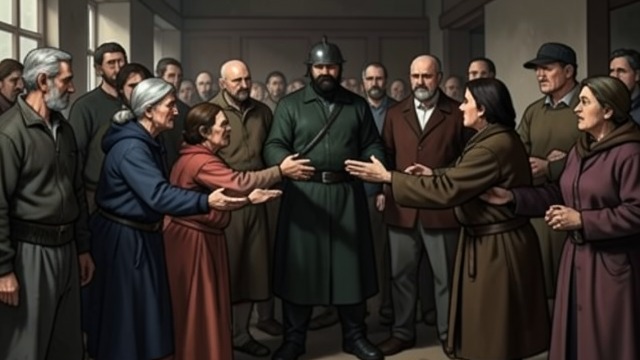
Hope and Vulnerability
A visible need
Families bring people with serious illnesses and disabilities, seeking a final possibility of healing. Their hope is moving but also exposes them to disappointment and exploitation.
A crowd becomes a system
The sheer number of visitors concentrates attention and emotion around Alice. The gathering itself may be part of what enables the reported experiences, though the novel does not reduce them to simple suggestion.
Emotion Turns to Panic
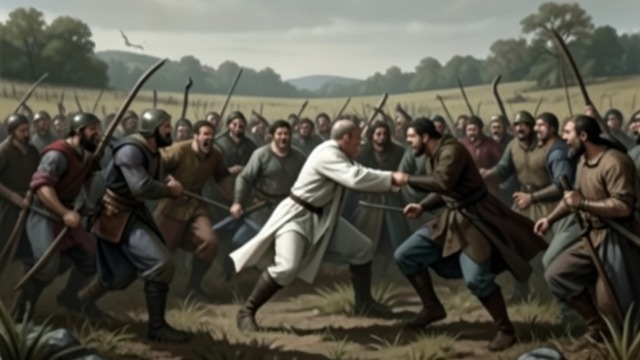
A Sudden Reversal
Grief spreads
The congregation initially freezes in silence, then breaks into sobbing, shouting, and violence. The mob attacks Wilkes before anyone can restore order.
A common force
As the cures reverse and the earth begins to shake, emotion moves through the crowd faster than explanation. Shared belief becomes a channel for fear and physical danger.
The Crowd’s Hidden Power
Evil in a Collective
An interpretation emerges
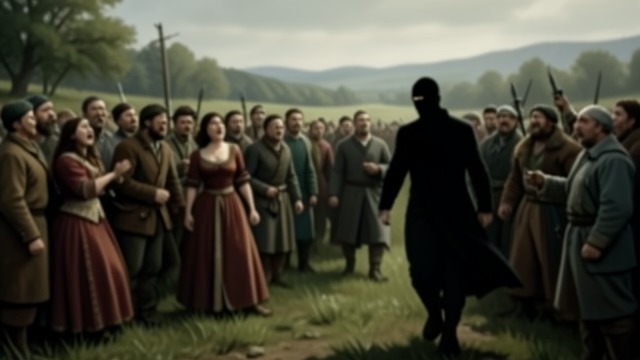
Delgard’s theory and the final events suggest that Einor draws strength from the living, especially from their greed, cruelty, and desire for certainty. The crowd’s energy is not presented as uniformly innocent.
Individuals still matter
Ben’s apparent resistance and Fenn’s eventual prayer show that the crowd is not a single mind. The possibility of individual refusal becomes a fragile counterforce to collective evil.
At the first Sunday gathering
During the weeks after the first healings
At the later open-air Mass
Immediately after Alice is shot
During the final confrontation at the shrine
