
The Sacred and the Profane
ShrineThis flow traces the novel’s recurring collision between religious symbols and acts that desecrate, exploit, or corrupt them.
increasing Bearing strength in each event
 decreasing
Bearing strength in each eventdecreasingMary in the Church
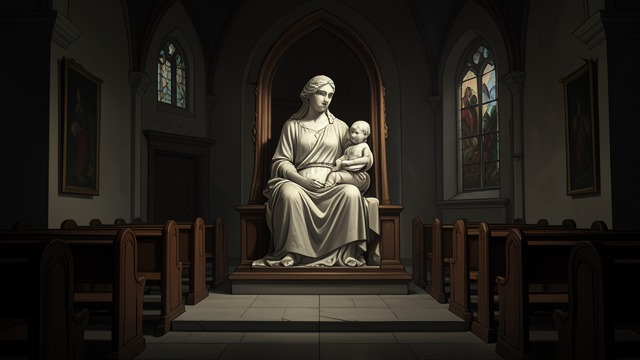
An Image of Comfort
A familiar statue
Alice spends time near the statue of Mary in St. Joseph’s. The image offers a recognizable religious focus in a life shaped by silence and solitude.
Faith becomes ambiguous
The statue’s importance may explain the form of Alice’s visions, but it cannot establish whether those visions are divine. The sacred image begins as comfort and later becomes a source of fear.
An Unholy Conception
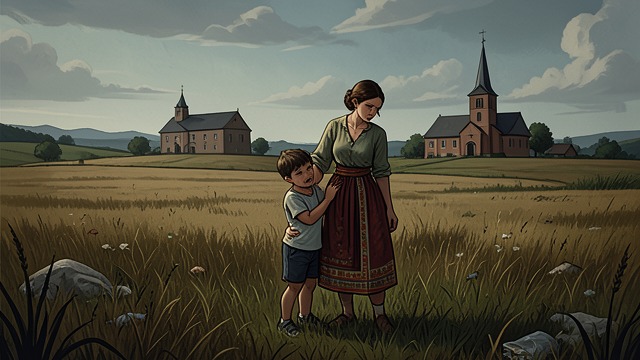
A Sacred Place and Human Desire
Molly’s memory
Molly recalls conceiving Alice with Leonard in the field outside the church, in an encounter driven by passion. She later carries shame about not telling Father Hagan where it happened.
Meaning changes
The field’s new status as a holy site makes the private memory newly disturbing. The novel refuses a simple moral equation between sexual sin, a child’s birth, and divine purpose.
The Host Is Rejected
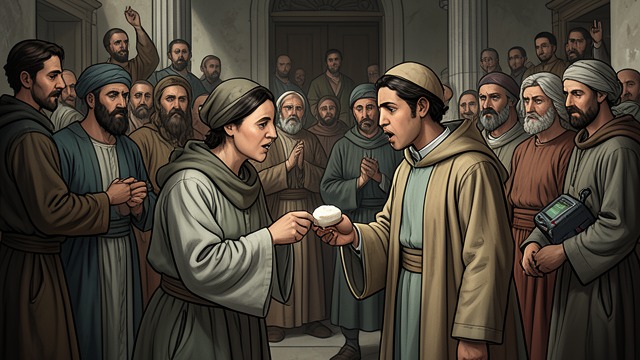
A Sacred Rite Disrupted
A public ritual
The Church arranges Communion as a controlled opportunity to show that Alice is being cared for. The assembled observers expect her to participate as a blessed child.
A physical refusal
Alice vomits after receiving the Host. The act unsettles the clergy and suggests that the power associated with her does not fit the devotional story surrounding her.
A Chapel’s Emptiness
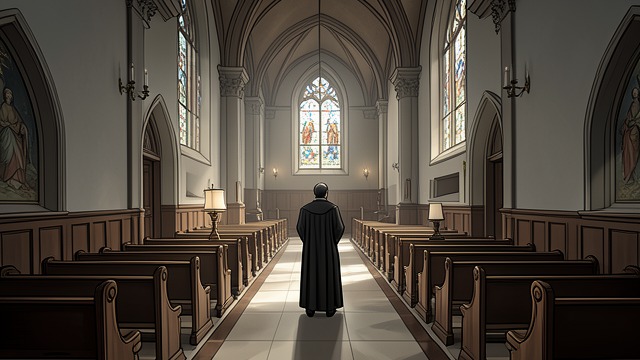
The Church Is Drained
A priest’s perception
Delgard and Hagan describe St. Joseph’s as spiritually empty despite its religious function. The church’s sacred status appears to have been taken away or corrupted.
A contradiction exposed
The Church continues to organize worship and investigate miracles even as its priests feel the sanctuary has lost its spiritual presence. Material authority and spiritual reality no longer align.
A Final Prayer
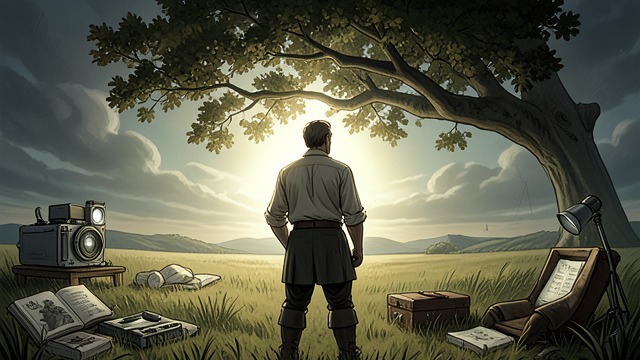
Prayer Against Corruption
A weakened witness
Fenn faces Einor while the field, church, and congregation collapse into terror. He cannot overcome her through force or reason.
A different response
The voices of the dead priests urge him to pray, and he turns toward the light at the oak. The scene presents faith not as certainty or institutional control, but as an act of resistance.
Before the first vision
The past event later confessed to Delgard
At Alice’s private convent Mass
After Hagan’s death, before the final shrine service
At the climax, as Einor confronts Fenn
