
The Media’s Role in Creating a Miracle
ShrineThis flow traces how local and national reporting turns an uncertain event into a public narrative that shapes the village and its visitors.
increasing Bearing strength in each event
 decreasing
Bearing strength in each eventdecreasingThe Local Story Rejected
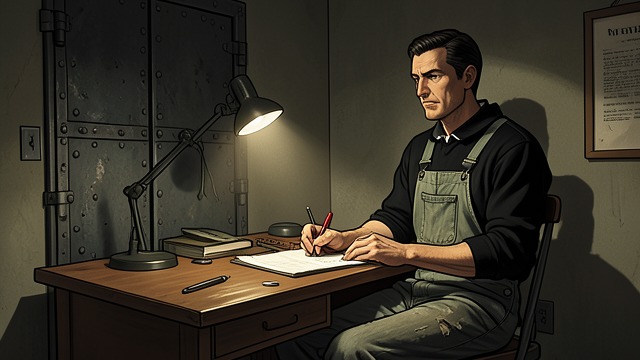
A Scoop Without Proof
An editor’s refusal
Frank Aitken rejects Fenn’s account of Alice speaking because no one else heard her. The newsroom treats Fenn’s history of exaggeration as evidence against the story.
A narrative persists
Fenn believes what he heard even when the paper will not print it. His frustration sets up the later transformation of a local report into national news.
A Headline Changes Banfield
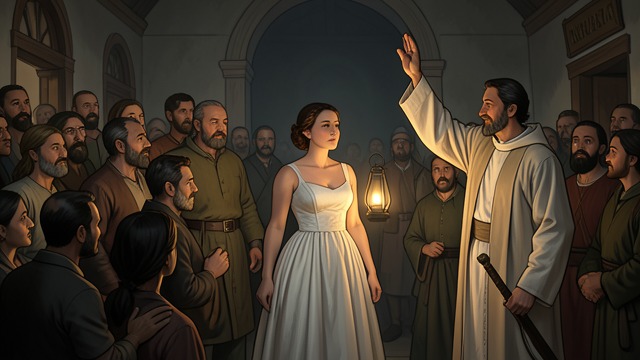
A Miracle Enters Print
The story spreads
Fenn’s report of Alice’s cure and the public gathering gives Banfield prominence. Other outlets quickly take interest, and the village becomes a destination.
Framing shapes expectation
The language of miracles invites readers to anticipate more events, even when Fenn himself remains uncertain. Coverage helps create the audience whose expectations later press on Alice.
Reporters Compete for Access
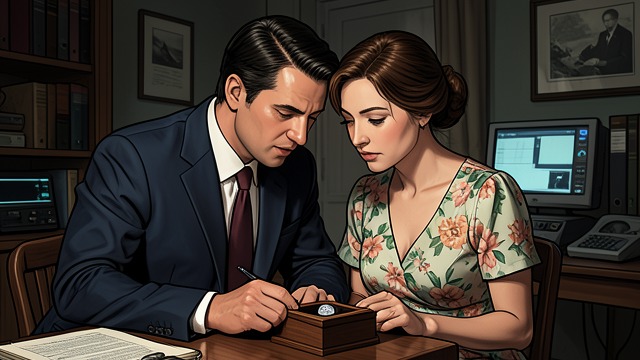
The Story Becomes a Market
Exclusive accounts
Newspapers seek interviews with Alice’s family and witnesses. Leonard considers selling his account, while Nancy offers Fenn a lucrative partnership.
Truth and access
Journalists compete to obtain material from people whose lives have become public property. The novel shows how reporting can document events while intensifying the pressure that surrounds them.
A Managed Press Conference
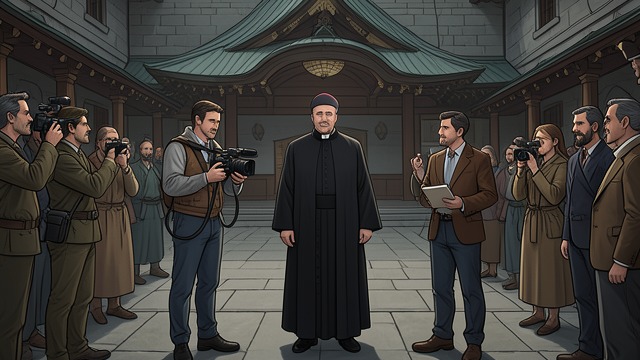
Authority Speaks Carefully
Official qualifications
Bishop Caines and Church investigators distinguish reported cures from recognized miracles. They answer questions while insisting that Alice is being protected and examined.
Questions remain open
The press challenges the Church over commercial exploitation, medical independence, and Alice’s whereabouts. Official statements clarify procedure but cannot satisfy the audience’s desire for certainty.
Fenn Withdraws from the Story
The Witness Refuses the Market
Competing explanations
The press offers theories ranging from mass hysteria to electrical disturbance and paranormal power. Fenn’s account of the older history is treated as sensationalism.
Silence as a choice
Fenn leaves the Courier and refuses the national offers that follow. His withdrawal reflects both exhaustion and the impossibility of turning his experience into a credible public explanation.
The morning after Fenn’s first encounter
After the Sunday healings
During the weeks of national attention
During the Church’s public investigation
After the final shrine disaster
