
The Return of Einor
ShrineThis flow traces the evidence that the sixteenth-century nun’s violence and curse have re-entered the present through Alice and the shrine.
increasing Bearing strength in each event
 decreasing
Bearing strength in each eventdecreasingThe Curse in Woolgar’s Account
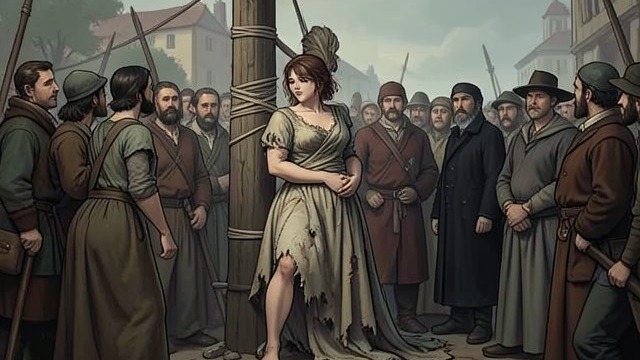
A Vengeful Death
A condemned woman
The crowd tortures and burns Einor after Thomas Woolgar helps label her a witch. She refuses to confess until the mob’s violence forces a confession.
A curse persists
Einor curses those present and their descendants, including the children who had once trusted her. Woolgar’s chronicle records a terror he cannot reconcile with the official account of her death.
A Modern Mark
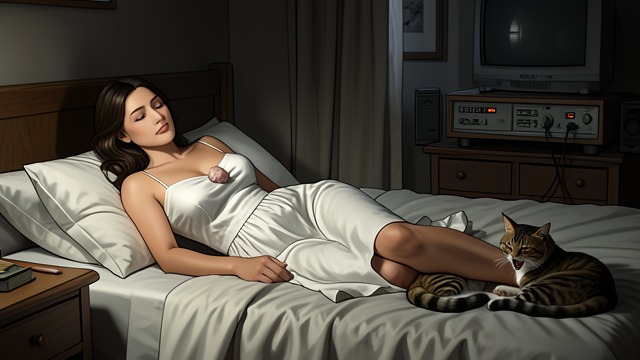
The Body as a Clue
An unusual feature
Doctors note that Alice has an extra nipple, a harmless physical feature present since infancy. Delgard connects it to historical folklore about witches and their familiars.
A disturbing possibility
A cat is later found suckling at the growth while Alice sleeps. The scene makes a folkloric motif seem materially present without proving that Alice is a witch.
A Voice from Another Age
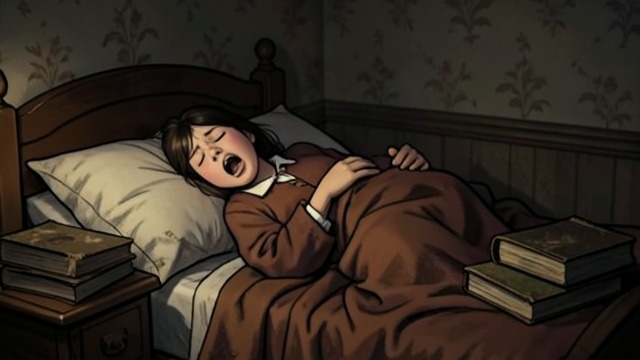
Archaic Speech
Words beyond childhood
Alice speaks in her sleep using an old dialect and sexually charged phrases unfamiliar to the nuns. Her waking speech had only recently returned after years of deafness.
The past enters language
Delgard recognizes a possible connection to the period described in Woolgar’s chronicle. The voice suggests possession or memory, but neither the Church nor Fenn can establish which.
A Burned Figure Appears
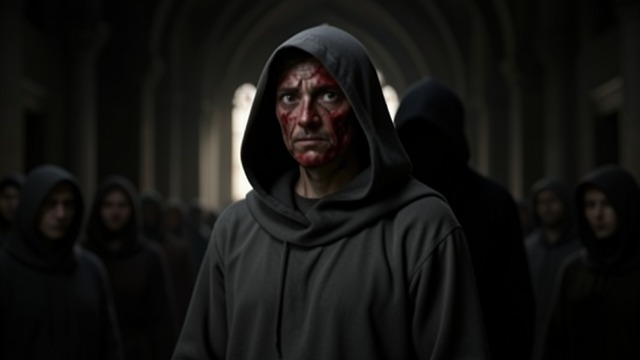
The Dead Nun Returns
A terrifying encounter
Nancy sees a hooded figure with a burned face in the old church. Fenn experiences a related attack and escapes through the storm.
History becomes immediate
The figure’s appearance resembles the execution described in the manuscript. What had been a documentary possibility now threatens living witnesses directly.
The Name Rosemund
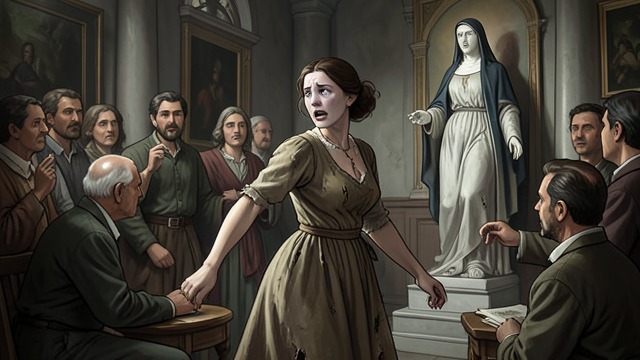
A Past Identity Speaks
Recognition in terror
The altered Alice calls Molly Rosemund, a name linked to one of the novices in Woolgar’s account. The utterance suggests a personal connection but does not explain its nature.
A curse becomes action
Einor confronts the crowd and seeks vengeance for her death. The old chronicle’s warning is no longer only a story about the past; it shapes the present catastrophe.
At Einor’s execution, during the sixteenth century
During Alice’s stay at the convent
During Alice’s sleep at the convent
During Fenn and Nancy’s visit to St. Peter’s
At the final service, after Alice rises from the shooting
