
Toranaga’s Patient Bid for Power
ShōgunThis thread follows Toranaga from a constrained regent and cautious strategist to a leader who converts apparent defeat, shifting alliances, and battlefield risk into a path toward power.
increasing Bearing strength in each event
 decreasing
Bearing strength in each eventdecreasingA Regent Under Guard
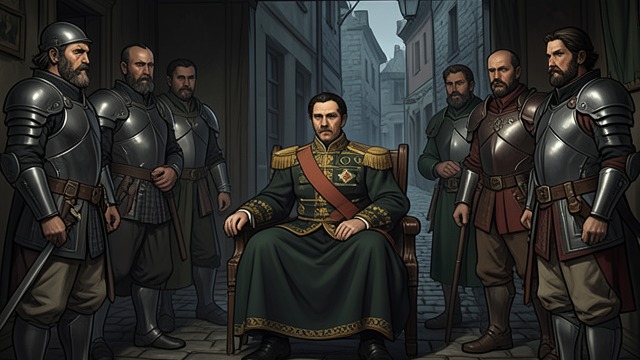
A Regent Under Guard
Power without security
After the Taikō dies, Toranaga holds immense authority as Lord of Kwanto and President of the Council of Regents, but his position is precarious. Ishido commands Osaka, rival regents maneuver against him, and the late ruler’s succession arrangements constrain every open move.
Patience as a weapon
Toranaga avoids making ambition explicit and studies how other people interpret his behavior. He understands that appearances, timing, and private information can matter as much as military strength, so he delays decisions while building options.
The danger of isolation
As the Christian daimyos shift toward Ishido and the Council becomes more hostile, Toranaga’s room to maneuver narrows. His calculation is tested by the possibility that caution may preserve him—or give his enemies the time to destroy him.
The Captive’s Escape
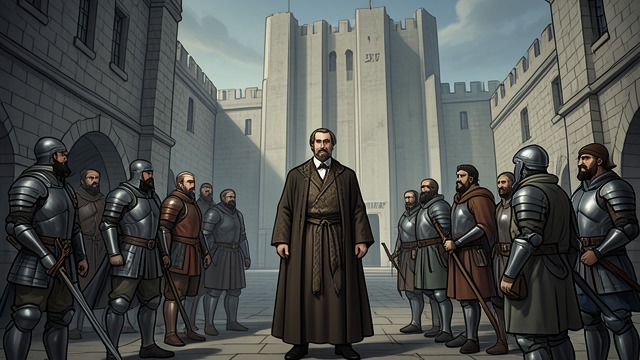
The Captive’s Escape
Testing the outsider
Toranaga questions Blackthorne about foreign powers, religion, ships, and trade, using the interview to distinguish useful information from deception. He is especially alert to facts that could alter the balance between Japan, the Portuguese, and his rivals.
A trap inside the castle
As Ishido tightens pressure and the Council’s unity threatens to isolate Toranaga, the castle becomes a prison as much as a seat of power. Toranaga disguises himself and stages an escape, relying on disciplined allies and on Blackthorne’s ability to turn apparent madness into cover.
Survival without resolution
The escape saves Toranaga from immediate capture, but it does not settle the succession crisis or remove the threat of impeachment. It buys time. Toranaga’s characteristic skill is not simply to escape danger, but to turn survival into another move in a longer contest.
A New Ally in Izu
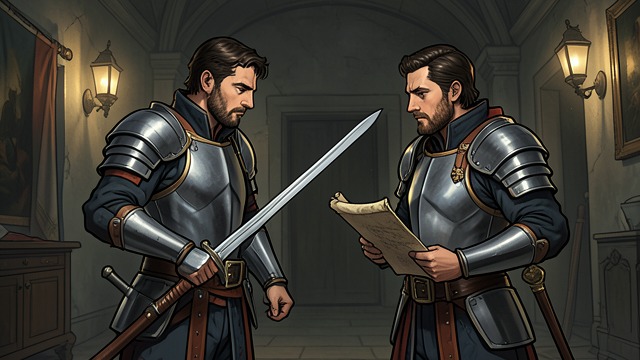
A New Ally in Izu
Securing a wavering lord
At Anjiro, Toranaga confronts Yabu, whose ambitions and divided loyalties could make him either a valuable ally or a mortal danger. Rather than eliminate him immediately, Toranaga makes offers that bind Yabu’s interests to his own while preserving room for future maneuver.
Power through recognition
Toranaga uses ceremony, military review, gifts, and the public bestowal of authority to draw Yabu and his officers into his orbit. His gestures are both rewards and political instruments: they make allegiance visible while reminding everyone that the larger source of rank remains Toranaga.
The alliance remains conditional
Yabu becomes Toranaga’s vassal, but Toranaga knows that promises alone cannot make him trustworthy. He continues to assess Yabu’s appetite for power, his relationship with Omi, and the threat of Ishido, treating the new alliance as a useful arrangement rather than a secure friendship.
Feigned Surrender and New Time
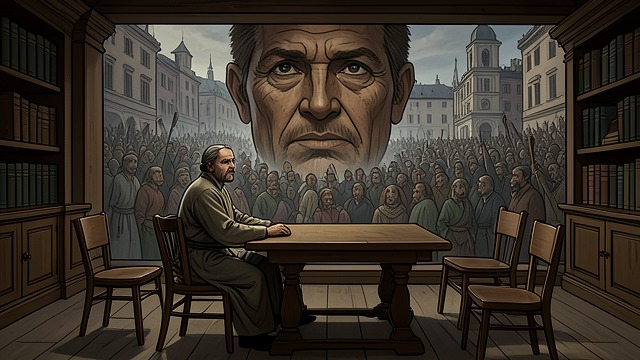
Feigned Surrender and New Time
Turning resignation into a weapon
Toranaga resigns from the Council of Regents, apparently leaving himself isolated and exposed. In fact, his resignation prevents the remaining regents from acting as a complete, legally functioning Council until they can agree on a successor.
Acting defeated
He accepts the invitation to submit and allows allies and enemies alike to believe that he has run out of choices. That performance creates time for him to manipulate expectations, test loyalties, and prevent opponents from knowing which path he will take.
The cost of delay
The strategy places hostages and vassals in danger, and it depends on keeping each deception tightly controlled. Toranaga’s apparent surrender is not relief from conflict; it is a decision to make his enemies act under a false understanding of his strength and intentions.
Choosing Crimson Sky
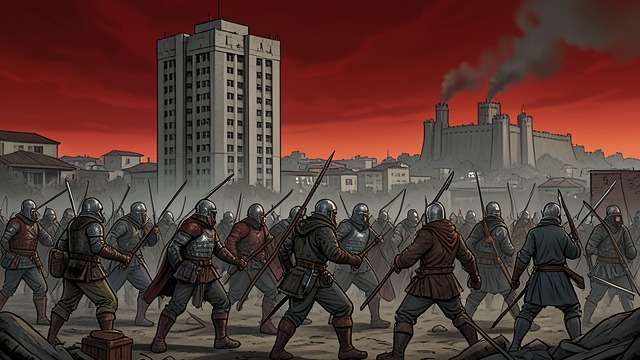
Choosing Crimson Sky
The balance turns dangerous
New reports tell Toranaga that Ishido has strengthened his position, that alliances may fail, and that the remaining time before open conflict is short. Toranaga hears counsel favoring defensive delay, but recognizes that a static defense may allow the enemy coalition to become overwhelming.
A decision to attack
Toranaga chooses Crimson Sky, the high-risk plan to strike toward Kyoto before his opponents can fully consolidate. He commits to a campaign that may save his position or destroy his forces, rejecting the safety of passive surrender in favor of a decisive attempt to control the political center.
Power remains a question
His public aim is to protect the Taikō’s succession, yet the struggle also raises the question of whether he will become Shogun. Toranaga denies seeking that title, but his growing authority and the coming battle make his private motives part of the danger he must manage as carefully as the enemy.
In the months after the Taikō’s death, before Toranaga’s imprisonment in Osaka
From Toranaga’s audience with Blackthorne through the escape from Osaka
From Toranaga’s arrival at Anjiro through Yabu’s submission
From Toranaga’s resignation from the Council through his return to Yedo
From the arrival of news at Yokose through Toranaga’s final mobilization
