
Yabu’s Quest for Gunpowder Power
ShōgunThis thread traces Yabu’s attempt to convert captured European weapons into military leverage, then his rise, political reversals, and final loss of control.
increasing Bearing strength in each event
 decreasing
Bearing strength in each eventdecreasingThe Hidden Arsenal
A Prize Beyond the Ship
Weapons in the holds
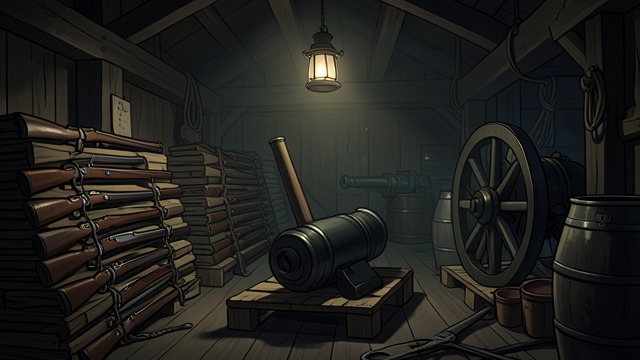
After inspecting Blackthorne’s vessel, Kasigi Yabu discovers muskets, powder, shot, and cannon that could transform his military position. He orders the weapons moved in secrecy rather than treating the ship merely as a source of trade goods.
A new method of war
Yabu imagines training selected samurai to fight as a coordinated gun regiment. His plan challenges the inherited ideals of sword combat, but he considers victory more important than preserving old battlefield conventions.
The concealed shipment gives Yabu unprecedented leverage, yet it also makes the ship a political prize that Toranaga will claim and Ishido may covet.
A Bargain with Toranaga
Loyalty Against Ambition
A dangerous offer
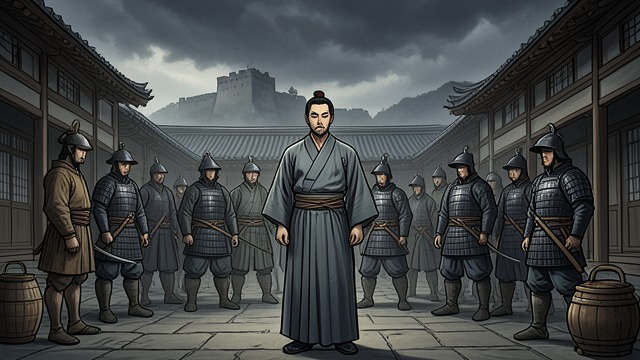
Yabu proposes a regiment of gun-armed samurai as a way to strengthen Toranaga’s position. He wants command of the force and expects expanded territory if the plan succeeds.
A conditional alliance
Toranaga accepts the outline but makes clear that Blackthorne and the weapons remain under his authority. Yabu agrees to serve as an ally rather than a vassal, protecting his claim to Izu even as he recognizes Toranaga’s superior power.
Their bargain is useful to both men but never becomes simple trust. Yabu continues to calculate which side can best advance his clan, while Toranaga watches for the moment when ambition may turn into treachery.
The Regiment’s First Test
Turning Training into Evidence
A staged battle
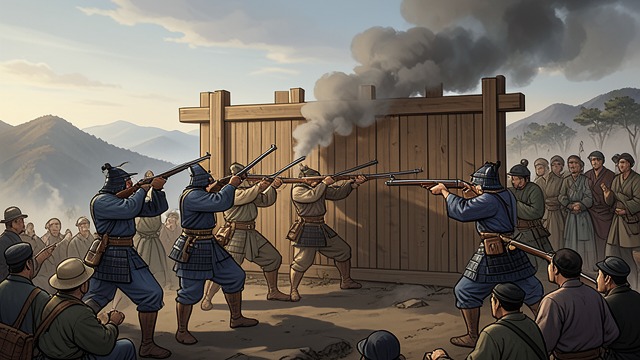
Yabu presents the musket regiment’s exercise to Nebara Jozen, who witnesses coordinated volleys break a simulated charge. The demonstration reveals both the power of the formation and its remaining weaknesses.
A weapon and a secret
Jozen urges Yabu to abandon the experiment, but Yabu sees the regiment as a potential instrument of advancement. Naga’s objections reveal the cultural cost: the new tactics threaten the distinctions and honor on which samurai identity rests.
The spectacle gives Yabu proof that the weapons can change a battlefield, while exposing the project to Ishido’s attention and increasing the danger of leaks and divided loyalties.
Yabu Chooses a Side
A Decision Under Pressure
A summons and a trap
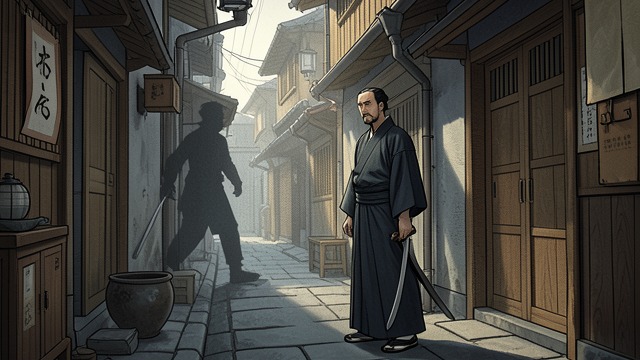
Ishido’s invitation forces Yabu to decide whether to present himself in Osaka or risk appearing openly disloyal. Omi urges resistance and warns that Ishido will strip away Yabu’s territory, while Yabu weighs the consequences of defiance.
Allegiance without certainty
Yabu ultimately aligns himself with Toranaga, accepts a vassal’s position, and brings his military resources into the wider conflict. His decision grows from calculation rather than a sudden change of character: he believes Toranaga offers the better future for his clan.
Even after choosing, Yabu remains politically dangerous. He understands that a powerful lord’s promises can change with circumstance, and he continues to watch for opportunities to protect his own position.
A Final Command
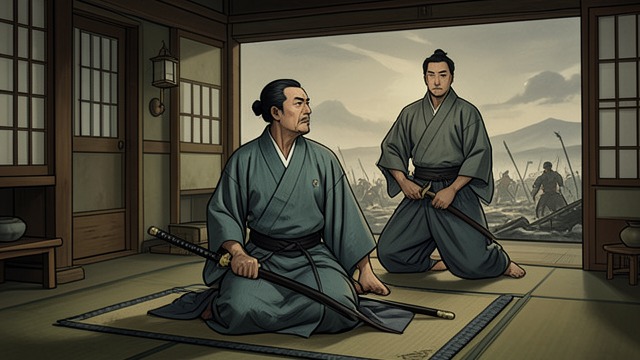
The Last Transfer of Power
Yabu’s fate
After Toranaga exposes Yabu’s role in the attack on Osaka’s hostages, he orders Yabu to commit seppuku. Yabu accepts the judgment and asks that Omi inherit the leadership of the Kasigi family.
Legacy and betrayal
Yabu’s final instructions preserve the family’s ambitions: he urges Omi to pursue naval power, remain wary of Toranaga, and seek influence beyond Izu. His death ends his own maneuvering but passes its political logic to his successor.
Toranaga accepts Omi as heir to Yabu’s position, recognizing both the young man’s usefulness and the danger of leaving the Kasigi house leaderless during war.
When Yabu inspects the Erasmus at Anjiro
During Toranaga’s return from Osaka toward Anjiro
During Nebara Jozen’s visit to Anjiro
When the Council summons Yabu to Osaka
After the attempted seppuku at Anjiro
