Siddhartha and his father's relationship
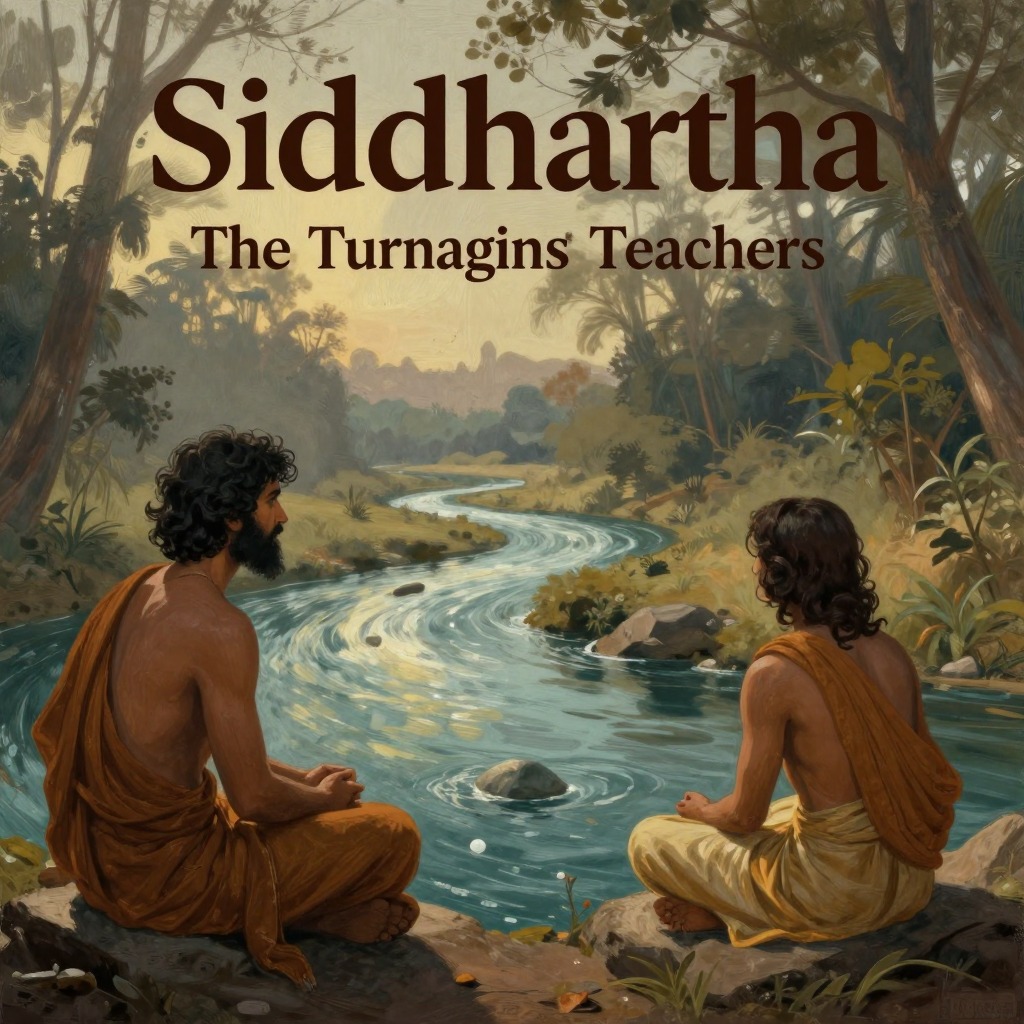
SiddharthaThe relationship between Siddhartha and his father, the venerable Brahman, is the first and most formative bond of Siddhartha's life, establishing the pattern of authority, love, and inevitable separation that will define his entire spiritual journey. His father, a pure scholar and the most venerable of Brahmans, sees in his quick-learning son the promise of a great wise man and priest, a prince among Brahmans, and joy leaps in his heart at the prospect. Siddhartha, in turn, is a source of joy for his father, walking with perfect respect and participating in the sacred discussions. Yet even within this loving and respectful household, Siddhartha begins to nurse a deep discontent, suspecting that his father and the other wise Brahmans have revealed to him the best of their wisdom, but that his vessel is not full, his spirit not content. This unspoken dissatisfaction sets the stage for the central conflict of their relationship: Siddhartha's need to find his own path versus his father's desire for him to follow the established way of the Brahmans.
The Night of Vigil and the Father's Surrender
The decisive rupture comes when Siddhartha announces his longing to leave his father's house and join the ascetic Samanas. The Brahman's initial response is silence, a silence so long that the stars in the small window wander and change their relative positions. When he finally speaks, it is with indignation, declaring it improper for a Brahman to speak harsh words but confessing the anger in his heart. He refuses the request. Siddhartha, however, does not leave. He stands silently in his father's chamber, his arms folded, and remains there through the night. The father, unable to sleep, returns hour after hour to look through the window, seeing his son standing motionless in the moonlight, by the light of the stars, in the darkness. His heart fills with anger, unrest, anguish, and sadness. In the night's last hour, before the day begins, the father returns and sees the young man standing there, seeming tall and like a stranger to him. In a final exchange, Siddhartha declares he will stand and wait until morning, noon, and evening, and that he would rather die than disobey his father, but he will not abandon his plan. The father, seeing that Siddhartha is trembling softly in his knees but that his eyes are fixed on a distant spot, realizes that his son has already left him in spirit. He touches Siddhartha's shoulder and gives his blessing, telling him to go into the forest and become a Samana, and to return to teach him if he finds blissfulness, or to return and make offerings together if he finds disappointment. This night of silent vigil is the crucible of their relationship: the father's authority is met not with rebellion but with an immovable, silent resolve that ultimately earns his reluctant, loving permission.
The Echo of the Father in Siddhartha's Later Life
Decades later, after Siddhartha has lived through wealth, lust, and despair, the memory of his father resurfaces with profound force. When his own son, young Siddhartha, runs away from the ferryman's hut, Siddhartha is consumed by a blind, suffering love that he had never before experienced. He chases after the boy, driven by a yearning he cannot control. At the river, he sees his own face reflected in the water and is struck by how it resembles his father's face. He remembers how he, as a young man, had forced his father to let him go, had bid his farewell, and had never come back. He realizes that his father must have suffered the same pain for him that he now suffers for his son, and that his father likely died alone, without having seen his son again. The river laughs at him, and he understands that he is caught in a fateful circle, a repetition of the same pain. This recognition is a crucial step in his final awakening: he sees that his own father's love, like his own, was a form of bondage that had to be broken for the son to find his own path. The wound of his son's departure, which he had hoped to spare the boy, is the very wound he had inflicted on his own father, and it is through this shared, cyclical suffering that Siddhartha finally comprehends the nature of love, loss, and the necessity of each soul's solitary journey.
Thematic Significance: Authority, Love, and the Necessity of Departure
The father-son relationship in Siddhartha is not merely a biographical detail but a central thematic engine. It embodies the tension between tradition and individual discovery, between the love that seeks to protect and the love that must let go. Siddhartha's father represents the entire world of Brahmanical learning and ritual that Siddhartha must ultimately transcend. The father's initial refusal and subsequent surrender mirror the novel's core argument: that no teacher, no matter how wise, can convey the ultimate truth; it must be lived and experienced alone. Siddhartha's own later experience as a father completes this lesson, as he learns that his love for his son, however powerful, cannot spare the boy from his own suffering and his own path. The relationship thus becomes a parable about the limits of paternal authority and the profound, painful love that must ultimately release the beloved to their own destiny. The father's final words—to return if he finds disappointment—are never fulfilled in the narrative, underscoring that the path of the seeker is one of permanent departure, a truth that the father himself, in his wisdom, ultimately accepts.