Monica
Silence (Library Edition)Monica is a Japanese Christian peasant woman whose brief but poignant presence in the narrative crystallizes the faith, suffering, and ultimate sacrifice of the rural converts whom Sebastian Rodrigues came to serve. Her story, from a chance encounter in a prison courtyard to a calculated drowning meant to force a priest's apostasy, exposes the brutal mechanics of the Tokugawa persecution and the unbearable weight it placed on the shoulders of the powerless.
Identity and Introduction
Monica first appears not as a named individual but as one of a group of prisoners captured alongside Rodrigues on the island of Goto. When the priest asks her name, she answers bashfully, as though her Christian name—given by a missionary—is the only ornament she possesses in the world . This detail immediately establishes her identity as something fragile and precious, a gift from a foreign faith that she clings to in a world that offers her nothing else. She is a peasant, her body reeking of fish, her understanding of theology rudimentary. When Rodrigues asks who baptized her, she names Brother Ishida, a missionary killed at Unzen, revealing the chain of transmission that has kept the faith alive in her community despite the absence of priests (E00555-E00557).
Faith and Hope
Monica's faith is not a complex theological system but a simple, desperate hope for a better world. When Rodrigues asks if she realizes they are all going to die, she lowers her eyes and speaks of what Brother Ishida taught her: that in Heaven there will be no taxes, no hunger, no illness, and no hard labor . Her vision of paradise is a direct inversion of her earthly existence—a life of endless toil and oppression under the feudal lords. Rodrigues feels a pang of conscience, wanting to tell her that Heaven is not the sort of place she thinks, but he restrains himself, unwilling to shatter her happy dream . He instead confirms her hope, blinking his eyes and telling her that in Heaven, nothing can be stolen from them . This moment reveals the chasm between the priest's educated faith and the peasant's raw, existential need for a promise of relief.
Imprisonment and Shared Suffering
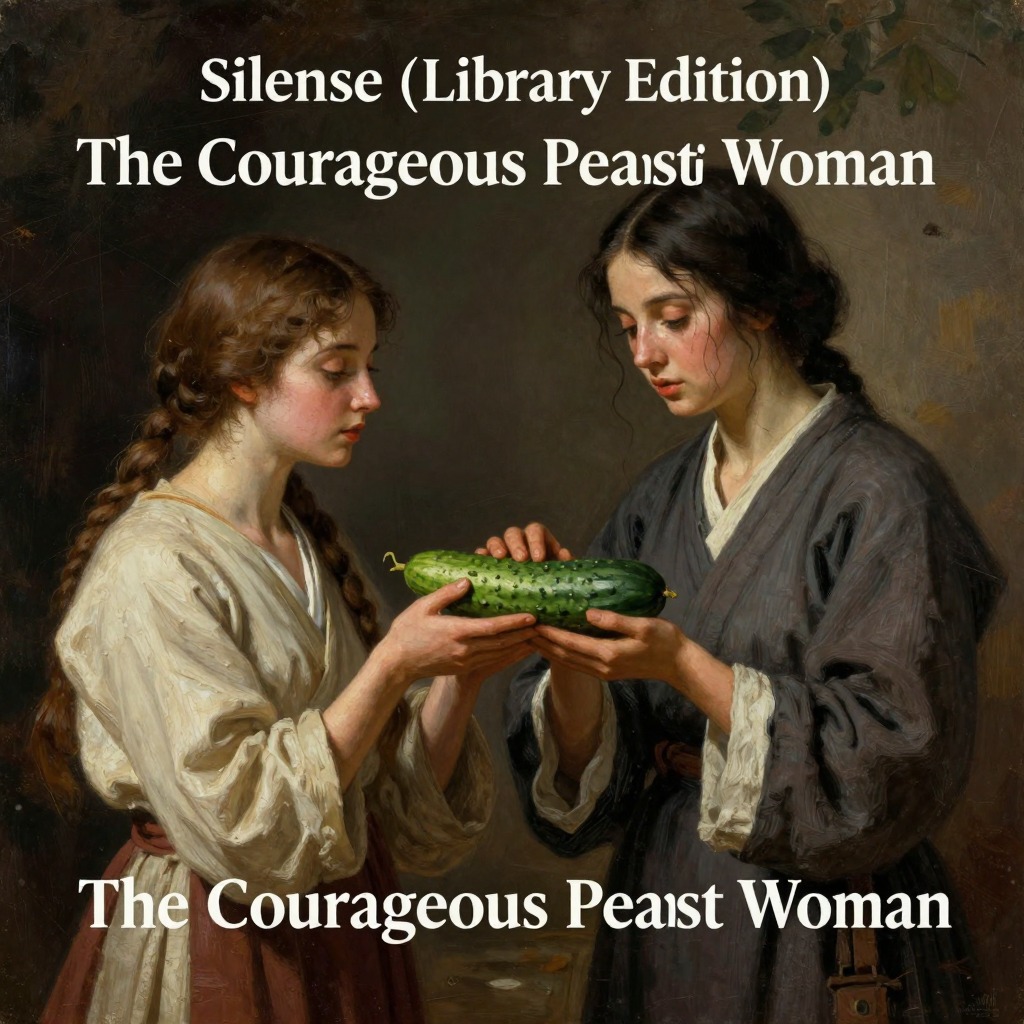
After their capture, Monica and the other Christians are imprisoned alongside Rodrigues. When he is first brought to their cell, she is the one who recognizes him, crying out that she would never have recognized him in his emaciated state . She offers him a cucumber from her bosom, a gesture of simple, physical kindness in the midst of their shared ordeal . Later, when the guards begin the fumie test, Monica is one of those who refuses to trample. Called by her name, Haru, she bends her back and hangs her head, clinging to the earth where she stands, refusing to comply even when pushed . Her silent resistance is a powerful act of defiance, a refusal to perform the formality that would save her life.
Death and the Weight of a Priest's Choice
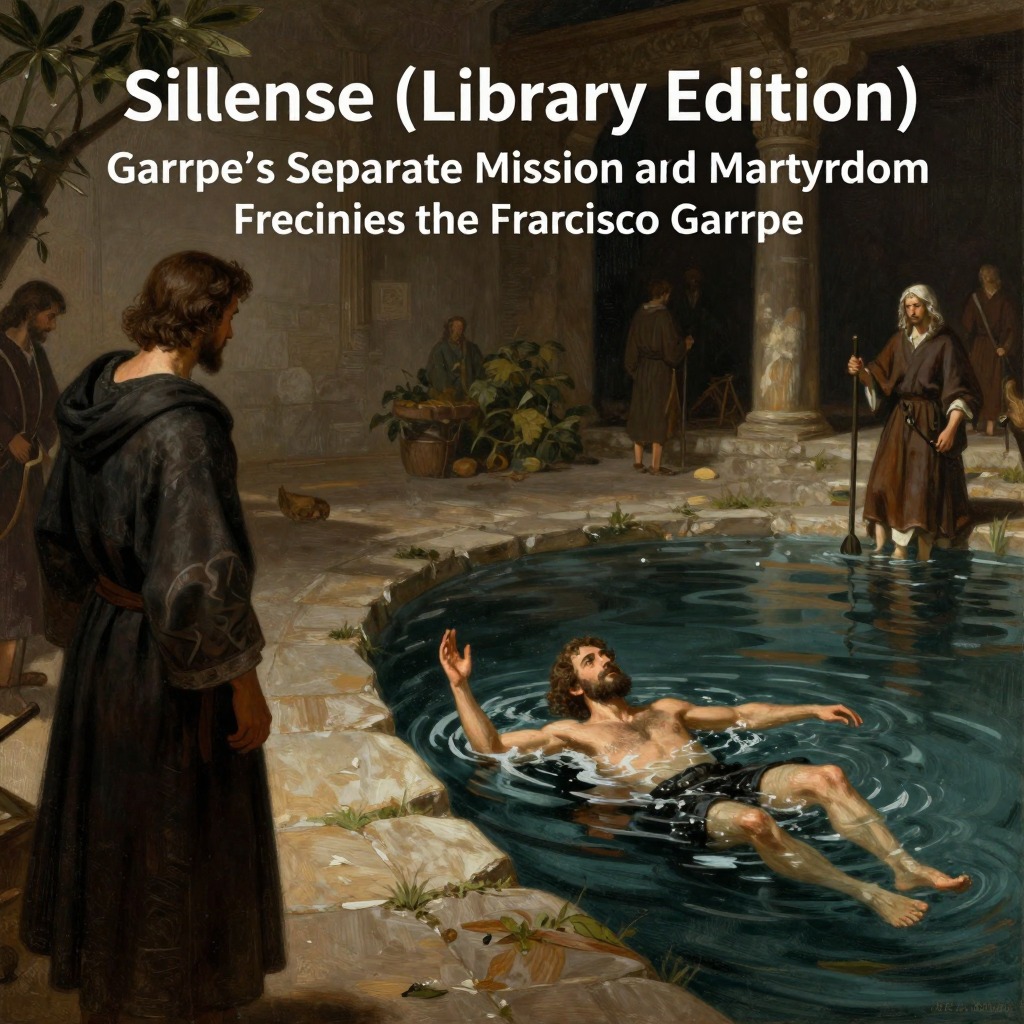
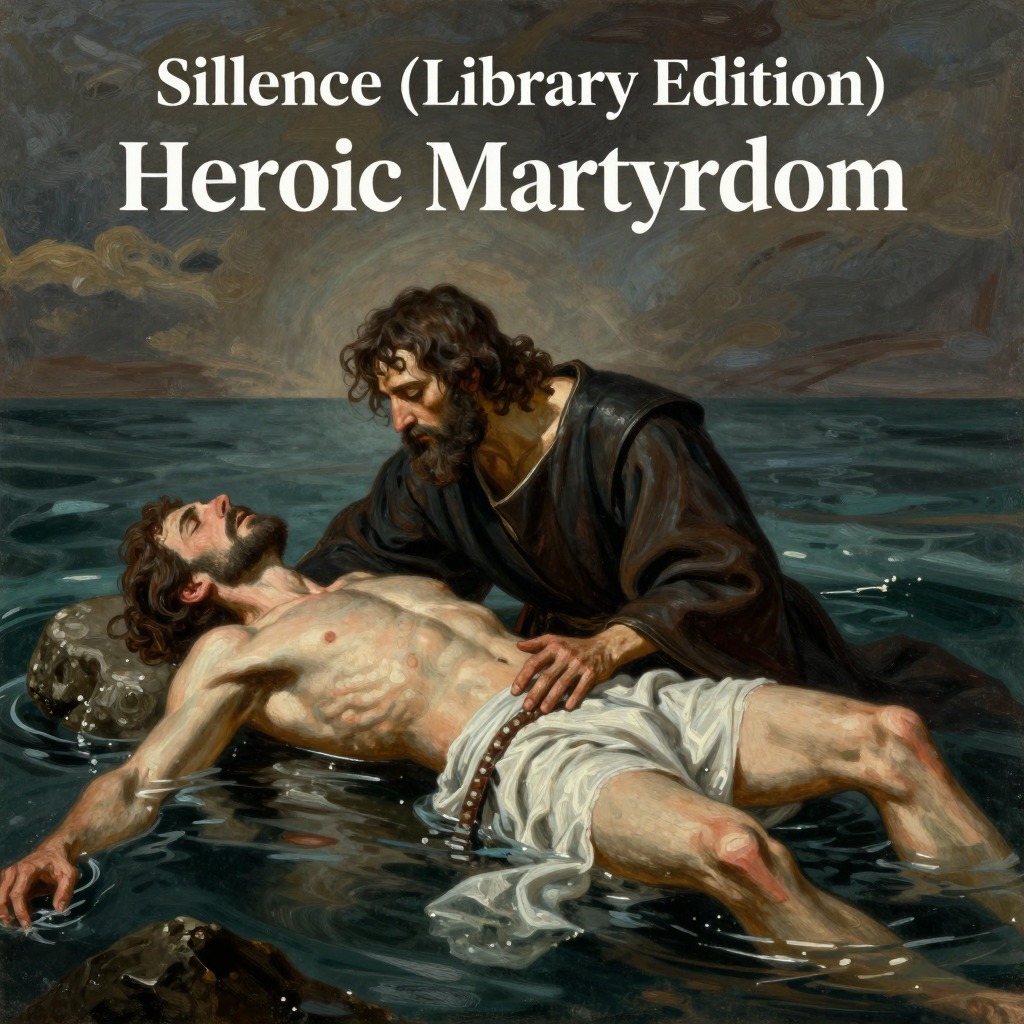
Monica's death is the climax of a calculated psychological torture designed to break Francisco Garrpe. She is wrapped in a straw mat, looking like a basket worm, and taken out to sea . The officials make it clear to Garrpe that if he apostatizes, the three Christians—including Monica—will be spared. Rodrigues, watching from the shore, sees her standing like a basket worm, staring at the sluggish sea, and the memory of the cucumber she gave him floods his heart . He silently screams for Garrpe to apostatize, to save her. But Garrpe does not. Instead, he plunges into the sea, swimming after the boat, and is drowned. Monica is then pushed from the boat with a lance and swallowed by the waves . Her death is not a glorious martyrdom but a cold, bureaucratic execution, a tool used to break a priest's will. The memory of her—her simple faith, her kindness, her silent resistance—becomes a haunting weight on Rodrigues's conscience, a reminder that his mission has brought not salvation but death to the very people he came to save.