Shimabara
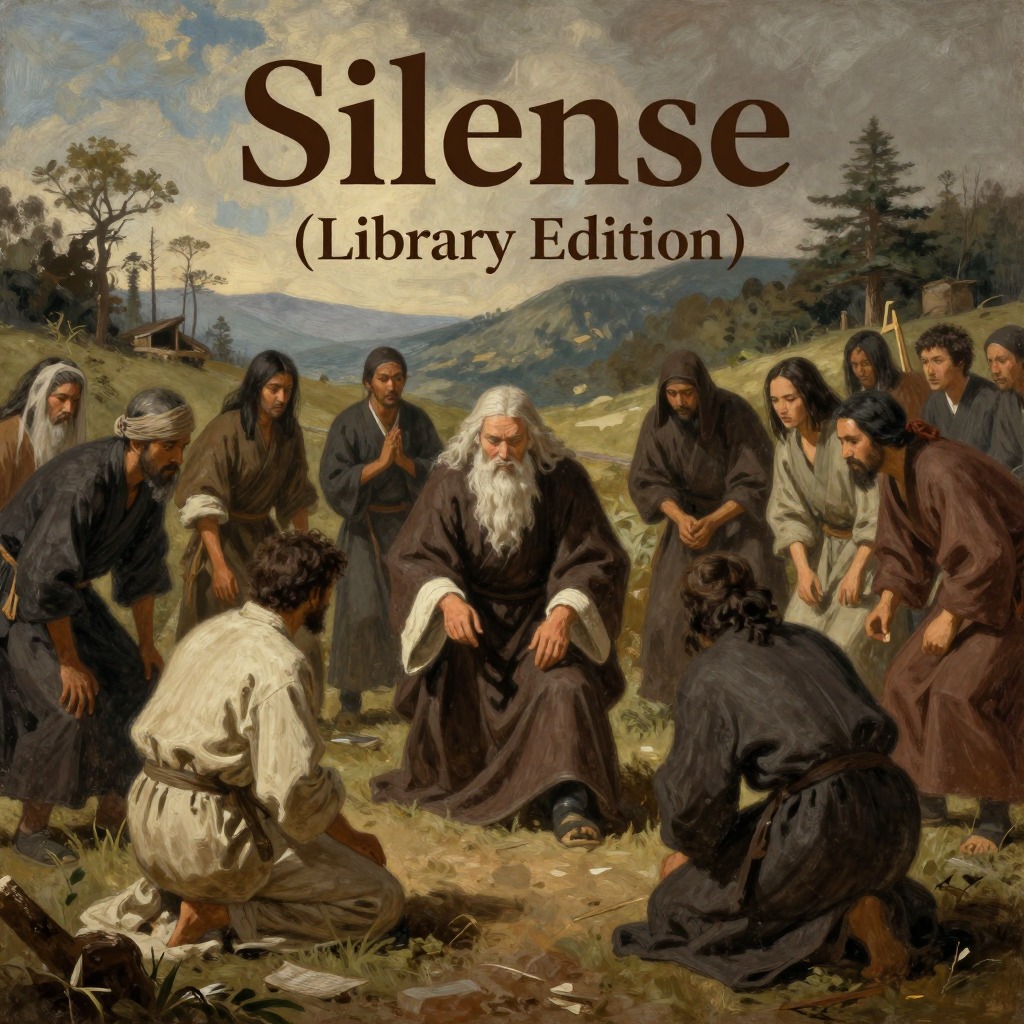
Silence (Library Edition)Shimabara is the site of the 1637–1638 Shimabara Rebellion, a catastrophic uprising of oppressed Christian peasants and ronin against the Tokugawa shogunate, which was brutally suppressed and led to the final closure of Japan to the outside world. In Shusaku Endo's novel Silence, Shimabara functions as a historical and symbolic pivot: the rebellion's aftermath justifies the regime's intensified persecution of Christians, deepens the despair of the missionaries, and becomes a key reference point for the argument that Christianity cannot take root in the 'swamp' of Japan.
Historical Background and the Rebellion
The Shimabara Rebellion was caused by the merciless taxation and oppression of the magistrate of Nagasaki, but it later became a manifestation of Christian faith, with insurgents carrying banners inscribed 'Praised be the Most Holy Sacrament' and shouting the names of Jesus and Mary. The uprising was put down with ruthless cruelty, and the Tokugawa Bakufu, convinced that such a rebellion could only have been possible with help from outside, decided once for all to cut their ties with Portugal and seal off their country from the world. The rebellion's aftermath was devastating: thirty-five thousand Christians had caused the insurrection, and in the ensuing bloody conflict with the forces of the Bakufu, the rebels were butchered to the last man—men and women, young and old, all alike were slain. As a result of the war, the whole district was so desolate that scarcely a human shadow could be seen, while the remnants of the Christians were being hunted down one by one.
Narrative Role in Silence
In the novel, the Shimabara Rebellion is a recurring reference point that shapes the characters' understanding of their mission and the impossibility of their task. When Sebastian Rodrigues and Francisco Garrpe arrive in Macao, they learn that the rebellion has led Japan to cut all trade relations and intercourse with Portugal, making their journey even more perilous. The rebellion also becomes a tool in the hands of the persecutors: Inoue, the Lord of Chikugo, who became for all practical purposes the architect of the Christian persecution after the rebellion, uses its memory to argue that Christianity is a foreign, destabilizing force. The interpreter who debates Rodrigues explicitly states that the Shimabara rebellion was a terrible reaction against the unbearable sufferings imposed by taxation, linking the peasants' desperation directly to the feudal system that Christianity was seen to threaten.
Symbolic Meaning: The Swamp of Japan
Shimabara is repeatedly invoked in the novel's central theological argument about the 'swamp of Japan.' The interpreter tells Rodrigues that the Shimabara rebellion proves that Christianity cannot take root in Japan, because the peasants' faith was twisted and changed into something different. Inoue himself later tells Rodrigues, 'Father, you were not defeated by me. You were defeated by this swamp of Japan.' The rebellion is thus presented as evidence that the Japanese soil—its culture, its political structures, its very way of thinking—is fundamentally incompatible with the Christian faith as brought by Western missionaries. Ferreira, the apostate priest, echoes this when he tells Rodrigues that the Japanese have never had the concept of God and never will, and that the Christianity they believed in was like a butterfly caught in a spider's web, retaining only the external form while the blood and flesh were gone. The Shimabara Rebellion, in this reading, is the moment when the 'swamp' swallowed the sapling of Christianity whole.
Consequences and Aftermath
The rebellion's suppression had lasting consequences for the Christian community in Japan. In the village of Tomogi, the peasants live in constant fear of the officials, who exact an exceedingly harsh revenue and who, since the rebellion, have made an extremely thorough effort to hunt down hidden Christians. The rebellion also shapes the tactics of the persecutors: Inoue, who was formerly of the Christian faith and even baptized, uses cunning rather than brute force, knowing that the peasants' faith, however distorted, is still a threat. The rebellion's memory is used to justify the regime's relentless persecution, and it becomes a symbol of the impossibility of Christian mission in Japan. For Rodrigues, the rebellion is a source of despair: he sees that the peasants who died in the rebellion were not martyrs in the glorious sense he had imagined, but rather victims of a brutal political reality that God seemed to ignore. The silence of God in the face of such suffering is the novel's central crisis, and Shimabara is one of the places where that silence is most deafening.