
The Meaning of Honor
Sir Gawain and the Green KnightThis thread follows honor from public display through private failure to communal recognition of honest self-judgment.
increasing Bearing strength in each event
 decreasing
Bearing strength in each eventdecreasingHonor on Display
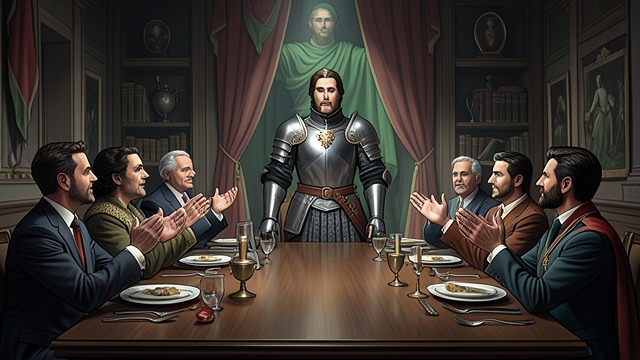
Honor on Display
Courtly Reputation
Camelot presents honor through ritual, generosity, and knightly confidence. The court’s identity depends on the appearance of exemplary conduct.
A Coming Challenge
The Green Knight’s demand will test whether that honor survives actual danger.
The Promise Kept
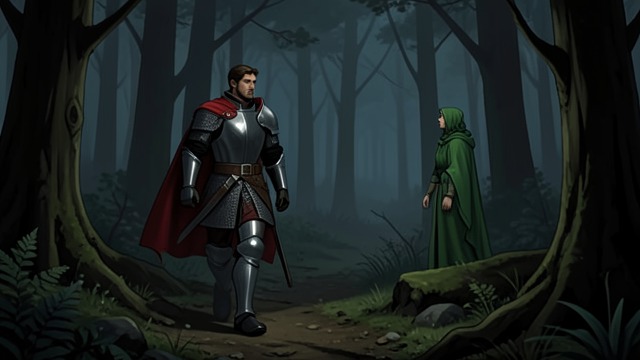
The Promise Kept
Return Despite Danger
Gawain arrives for the promised blow rather than fleeing. His conduct satisfies the central demand of the beheading game.
Honor Substantiated
The journey demonstrates that public words can impose genuine costs.
The Promise Broken
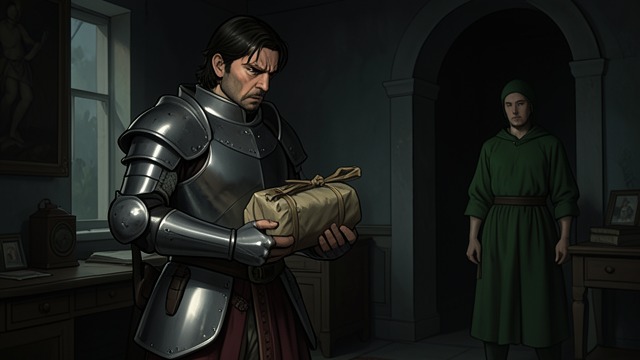
The Promise Broken
A Concealed Gift
Gawain keeps the girdle instead of exchanging it. His wish to stay alive compromises the honesty on which his honor rests.
A Narrow Failure
The breach is real but limited, and it does not undo his earlier fidelity to the appointment.
The Error Admitted
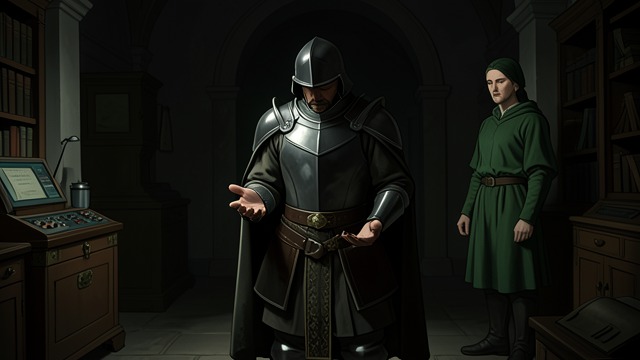
The Error Admitted
Responsibility Taken
Gawain confesses without blaming the lady or the rules. He recognizes that his conduct fell short of his ideals.
Honor Reconsidered
The confession makes responsibility, not perfection, the next test of his character.
The Court’s Reassessment
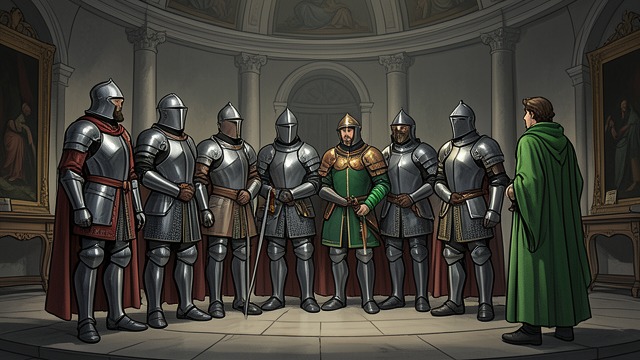
The Court’s Reassessment
Community Responds
Arthur and the knights adopt the green band and welcome Gawain. They do not treat his failure as the end of his honor.
A Wider Ideal
The court’s action suggests that honor can include fellowship and honest fallibility.
At the opening feast
New Year’s morning at the Green Chapel
The third day at Bertilak’s Castle
At the Green Chapel after the third swing
After Gawain tells his story in Camelot
